
Top 5 Affordable Areas in Makkah Near Haram: 2026 Guide
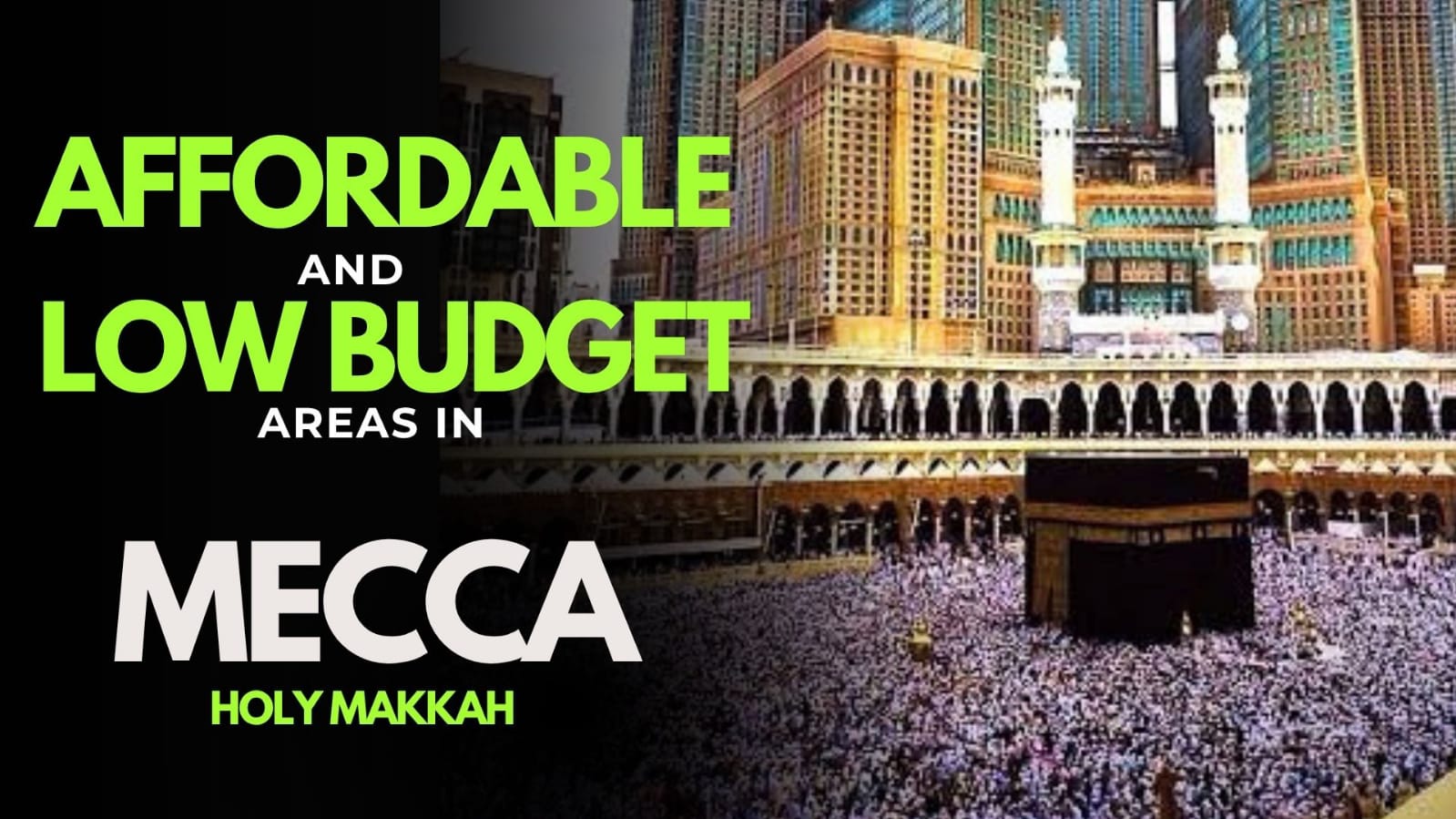
Makkah’s rental landscape in 2026 has shifted with the expansion of the Makkah Bus Project and the Kudai transit hub. For pilgrims and expatriates, balancing proximity to the Holy Mosque with a manageable cost of living is now more achievable through specific residential rings. Instead of staying in the expensive central Markaziyah, many are moving toward districts that offer direct shuttle access and better long-term rental value.
While premium hotels near the King Abdulaziz Gate remain high-priced, districts like Aziziyah, Al-Mansour, and Misfalah (outer parts) provide housing between 1,800 to 3,500 SAR monthly. These zones are serviced by high-frequency public transport, making the 2–4 km distance to the Haram negligible for daily congregational prayers.
Strategic Rental Zones: Beyond the Haram Center
Selecting a neighborhood in Makkah requires checking two main factors: shuttle frequency and local amenity density. Areas like Al-Kakiyah might seem distant, but their proximity to wholesale markets and the 3rd Ring Road makes them ideal for families looking for larger apartment units. This guide breaks down the top residential pockets where you can secure high-quality lodging without the inflation of the central district.
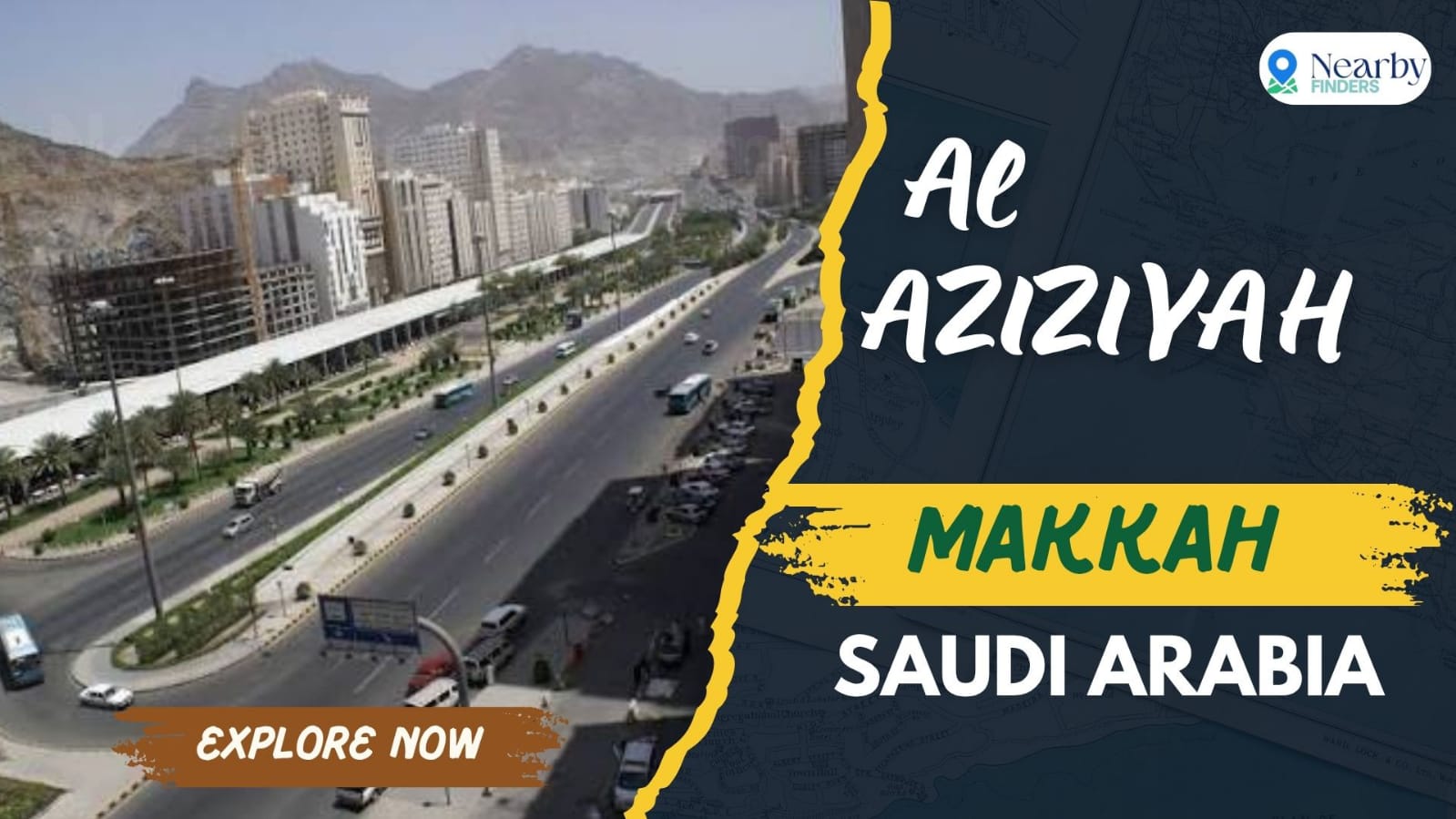
Al-Aziziyah is widely considered the most strategic residential hub for those balancing a moderate budget with Haram proximity. Located just 3–5 km from the Holy Mosque, it serves as a primary base for international pilgrims and long-term expatriates. Unlike the high-density Markaziyah, this district offers modern infrastructure and a wide range of furnished and unfurnished rental options.
North vs. South Aziziyah Pricing
In 2026, the rental market in Al-Aziziyah is divided by age and location. North Aziziyah (near the University) features older residential blocks where 2-bedroom units range between 1,500 to 2,200 SAR monthly. For those seeking newer construction with better amenities, South Aziziyah near the Jamarat offers modern apartments typically priced between 2,500 to 3,500 SAR, depending on the season and building age.
The “Haram Ring” Value
Most buildings here are designed for high occupancy, featuring spacious layouts that are far superior to the small hotel rooms found in Ajyad. For families, this translates to better value for money, especially when signing an annual Ejar contract. During the off-season, landlords are often willing to negotiate an additional 10% discount for upfront payments.
Pros: Amenities & Spiritual Proximity
• Jamarat Access: Walking distance to the stoning site, crucial during Hajj days.
• Retail Hubs: Home to Bin Dawood, Al Raya, and major shopping malls for affordable essentials.
• Dining Variety: Incredible range of Pakistani, Indian, and Arab restaurants at local price points.
• Shuttle Connectivity: High frequency of private hotel buses and public Makkah Bus routes.
Cons: Seasonal Challenges
• Peak Traffic: During Ramadan and the 5 days of Hajj, the district becomes extremely congested.
• Parking Scarcity: Public street parking is difficult to find near the commercial strips.
• Noise Levels: Constant movement of pilgrim buses can be loud for those living on main roads.
The Makkah Bus Network
Aziziyah is the backbone of the Makkah Bus Project. Routes like Route 1 and Route 7 provide 24/7 connectivity to the Haram for a flat fee (approx. 4 SAR). This makes the 15-minute commute both affordable and predictable. For residents, this eliminates the need for expensive private taxis during prayer times.
Healthcare & Services
The district is self-sufficient, housing the King Faisal Hospital and numerous 24-hour polyclinics. From specialized pharmacies to government services, residents rarely need to leave the district for daily needs, making it a sustainable choice for long-term expat families.
Education Hub
Proximity to Umm Al-Qura University makes Al-Aziziyah the preferred zone for international students. High-speed fiber internet and quiet residential pockets cater to those pursuing religious or academic studies.
Expert Advice: Securing the Best Rate
To find the absolute best deals, avoid the months leading up to Hajj (Dhul-Qidah). Using platforms like Aqar or Gathern, search for “Long-term stays” to unlock rates that are often 30% lower than daily hotel pricing. Always verify if electricity and water charges are included in the Ejar contract to avoid hidden monthly costs.
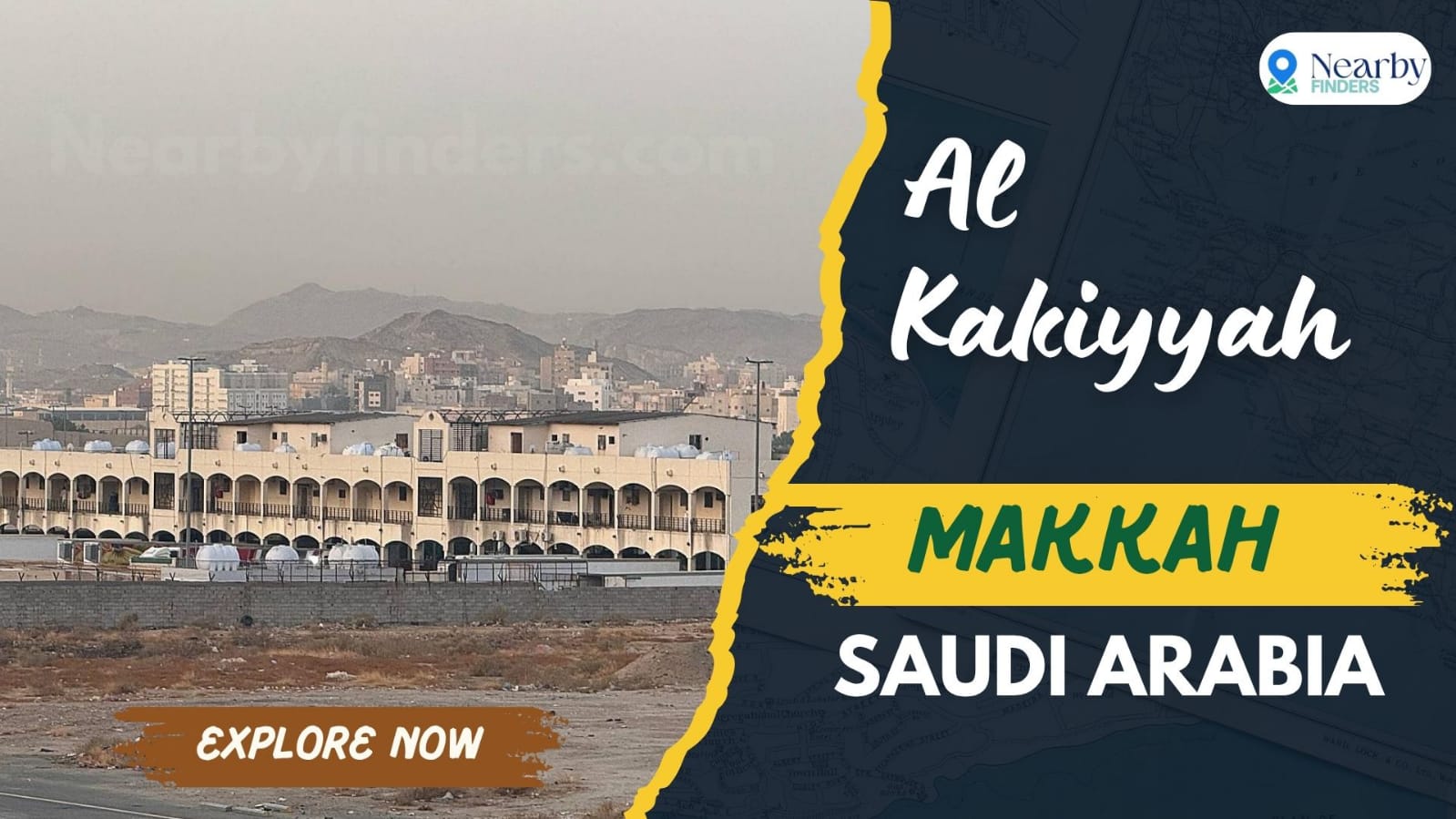
Al-Kakiyyah is the go-to destination for residents who prioritize household savings and spacious housing over immediate Haram proximity. Located toward the southern exit of Makkah, this district is famous for its massive wholesale markets and suburban atmosphere. It offers a calm, local lifestyle far removed from the seasonal noise of the central tourist zones.
Average Rent and Apartment Sizes
In 2026, Al-Kakiyyah remains one of the most economical residential pockets in the city. A standard 3-bedroom family apartment typically costs between 1,200 to 2,000 SAR per month. Unlike the cramped units in Ajyad or Misfalah, apartments here are significantly larger, often including separate dining areas and guest rooms (Majlis), making it ideal for expatriate families with children.
The Benefits of Suburban Living
Since this area is slightly removed from the immediate Hajj ritual sites, rental prices remain stable throughout the year. Long-term Ejar contracts are easy to secure here, and many landlords offer "all-inclusive" deals that cover water and basic maintenance, further reducing your monthly overheads.
Pros: Unbeatable Grocery & Utility Savings
• Jamarat Access: Direct access to the Kakiyyah central market for wholesale prices on meat, poultry, and dry rations.
• Peaceful Environment: Significantly lower population density and less traffic than Aziziyah or Shubaikah.
• Parking Freedom: Most residential buildings offer ample street parking, a rare luxury in Makkah.
• Jeddah Connectivity: Proximity to the Makkah-Jeddah highway is perfect for those who commute for work or weekend trips.
Cons: The Distance Factor
• Haram Distance: It requires a 15–20 minute drive or bus commute to reach the Masjid al-Haram.
• Vehicle Necessity: While buses are available, having a private car is highly recommended for daily convenience.
• Industrial Vibe: Some parts of the district have heavy vehicle movement due to nearby warehouses.
Rapid City-Wide Access
The completion of the Fourth Ring Road has transformed Al-Kakiyyah into a strategic transit point. Residents can now bypass city traffic and reach Mina, Muzdalifah, or the Haram via the Kudai parking station in record time. During Hajj and Ramadan, specialized pilgrim shuttle services frequently pass through the main arteries of this district.
Essential Public Facilities
From the Souq al-An'am (livestock market) to numerous local polyclinics and government schools, the area is fully self-sufficient. For expats looking to lower their "cost of existence" in Saudi Arabia, this is the most logical choice.
The Expat Advantage
Many expatriate communities (Pakistani, Indian, and African) have deep roots in Al-Kakiyyah, creating a supportive social network. For international workers, this makes finding shared accommodation or trusted local services much easier.
Expert Strategy: Securing Your Lease
In Kakiyyah, the best deals are often found by driving through residential streets and looking for "For Rent" signs (In Arabic: للإيجار). While apps like Aqar are useful, local "Haraj" offices in this district often hold exclusive listings for renovated villas at lower-than-market rates. Always ensure your building has a dedicated water tank (Khazzan) to avoid seasonal water shortages.
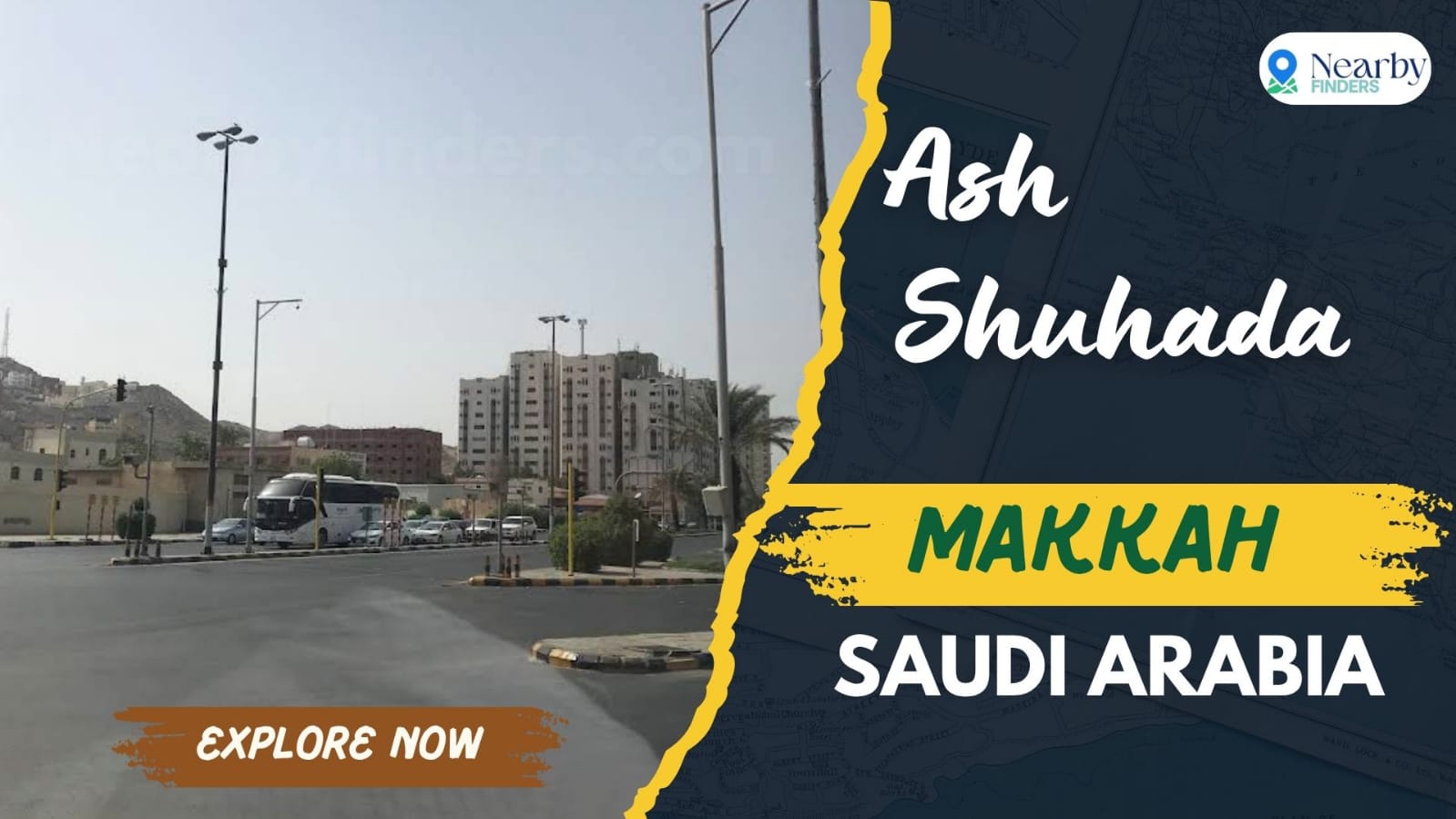
Al-Shuhada has quickly become a preferred destination for individuals working in Makkah’s hospitality and tourism sectors. Unlike the older parts of the city, this district is characterized by newer residential towers that offer a clean, organized, and maintenance-free lifestyle. It serves as an ideal middle ground for those who want to stay close to the Haram while avoiding the inflated costs of the central Markaziyah hotels.
Pricing for New Residential Towers
In 2026, rent in Al-Shuhada reflects the quality of its infrastructure. Modern studio apartments and 1-bedroom units typically range from 1,800 to 2,600 SAR per month. These buildings often come with dedicated security, high-speed elevators, and centralized cooling systems, which significantly reduces the headache of frequent maintenance often found in cheaper, older districts.
Building Styles and Value
The "Tower Lifestyle" here is a major draw for young professionals and small expat families. While the per-square-foot cost might be slightly higher than in outlying areas like Al-Kakiyyah, the energy efficiency of these newer buildings often results in lower electricity bills, providing better overall monthly value for budget-conscious tenants.
Pros: The Hospitality Advantage
• Work-Life Proximity: Located near the major hotel clusters, saving hours of commuting time for hospitality workers.
• New Infrastructure: Minimal issues with plumbing or electrical wiring due to the recent age of most buildings.
• Safety & Lighting: Well-lit streets and building lobbies provide a secure environment for families.
• Local Services: Abundance of laundry services and small eateries catering to shift workers 24/7.
Cons: High Demand Challenges
• Limited Large Units: Finding 4 or 5-bedroom apartments is much harder than in the suburbs.
• High Occupancy: The district has a fast-moving rental market; good units are often taken within days of being listed.
• Lack of Greenery: Highly urbanized area with limited public parks or recreational spaces.
Makkah Bus Route 10 Integration
Al-Shuhada is excellently served by Makkah Bus Route 10, providing frequent and affordable transport directly to the Haram entrance. This transit efficiency is a key reason why many choose to live here instead of paying 3x more for a hotel room. For car owners, the district offers quick access to the main arterial roads leading to the 2nd and 3rd Ring Roads.
Convenience Around Every Corner
From specialized polyclinics to round-the-clock pharmacies, the neighborhood is built for convenience. The density of small grocery shops ensures that daily household prices remain competitive, protecting your monthly savings.
Strategic Renting for Expats
Due to the high demand from hotel staff, the best time to look for an apartment in Al-Shuhada is during the Hajj post-season when many temporary contracts end. This is the "golden window" to secure a long-term lease at a locked-in rate.
Expert Strategy: The Ejar Checklist
Always verify through the Ejar platform if the building has a dedicated maintenance team. In Shuhada, newer buildings often include "maintenance-inclusive" clauses. Check for the availability of fiber-optic internet before signing, as this district is one of the better-covered areas for high-speed connectivity in the city.
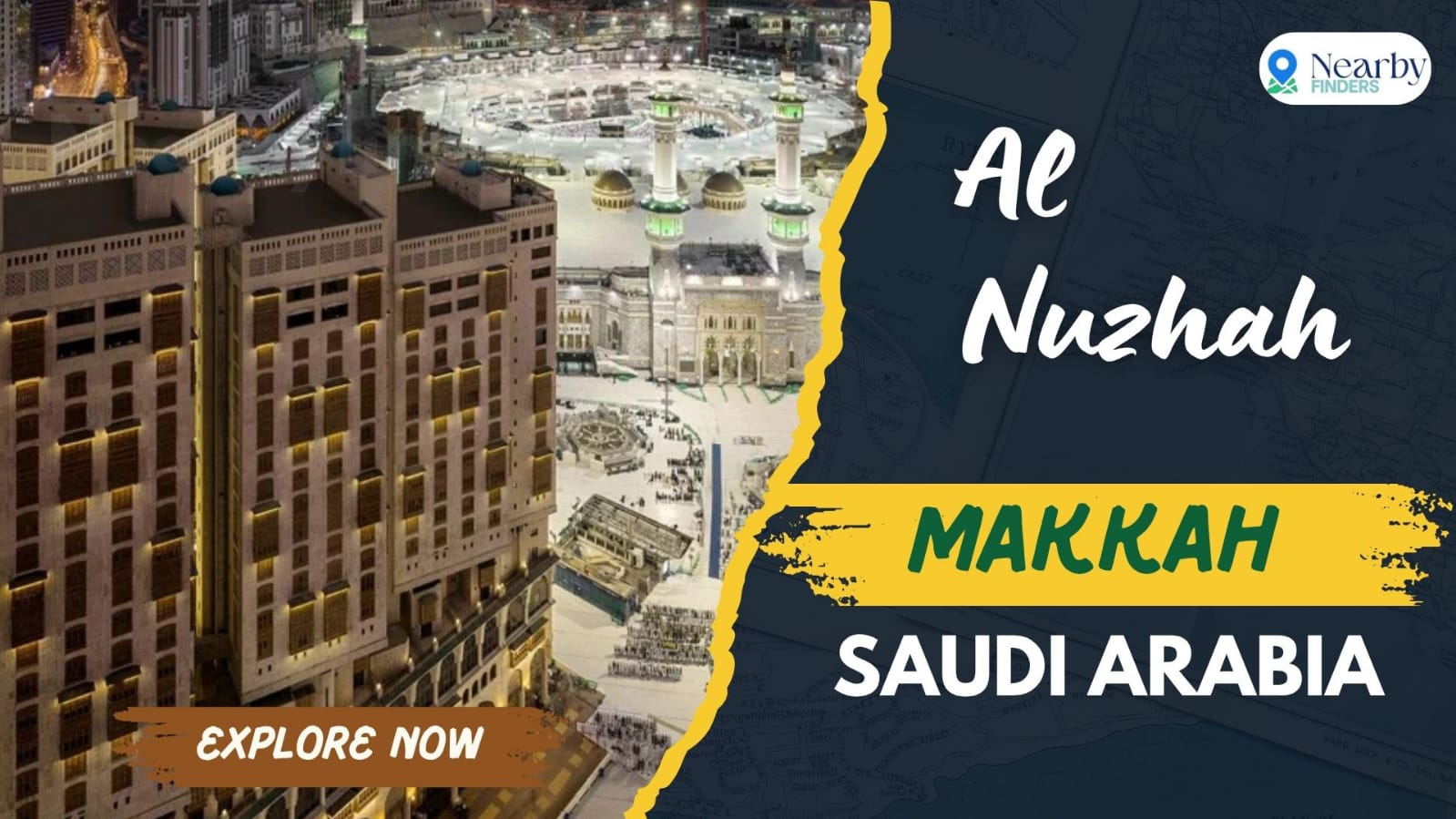
Al-Nuzhah is highly valued by long-term expatriates for its strategic connectivity and tranquil atmosphere. Situated near the Makkah-Jeddah highway and the Haramain High-Speed Railway, it offers a peaceful retreat from the city's central bustle. This district features a unique blend of spacious older villas and modern mid-rise apartments, catering to diverse family needs and budgets.
Average Monthly Rent in 2026
Rental prices in Al-Nuzhah are remarkably stable compared to the seasonal spikes of central Makkah. For a well-maintained 2-bedroom apartment, you can expect to pay between 1,400 to 2,200 SAR. Larger family units (3–4 bedrooms) are also readily available, often at rates that provide much more "square footage per Riyal" than the densely packed Aziziyah blocks.
Older Villas vs. Modern Units
Smart renters often look for subdivided villas in Nuzhah, which provide a "home-like" feel with ground-floor access. These are particularly popular among expatriates who prefer a quiet residential community over high-rise living. Most buildings here also benefit from better natural light and wider streets, reducing that "cramped" urban feeling.
Pros: Transit & Tranquility
• Train Access: Minutes away from the Haramain Railway Station, perfect for frequent trips to Madinah or Jeddah.
• Low Noise: Minimal commercial traffic makes it one of the quietest residential zones in Makkah.
• Wide Streets: Significant street parking availability and less congestion for car owners.
• Education: Proximity to several highly-rated local schools and community centers.
Cons: Practical Considerations
• Transport Frequency: Public bus frequency can be lower than in central districts; a car is often necessary.
• Limited Malls: Fewer large-scale shopping centers within walking distance.
• Building Age: Some older apartments may require a plumbing and AC inspection before signing.
Strategic Location for Travelers
Al-Nuzhah acts as a gateway to the city. Its proximity to the 3rd Ring Road ensures you can navigate to different parts of Makkah without getting stuck in the inner-city bottlenecks. For those relying on ride-sharing apps, pickup times are generally very fast due to the area's straightforward road layout.
Daily Essentials & Savings
The neighborhood is dotted with local bakeries, grocery stores, and polyclinics. Because the area isn't a "tourist trap," daily prices for food and services remain at standard local rates, preventing the "Haram Inflation" seen in central districts.
Quiet Academic Environment
For international students or researchers, Al-Nuzhah offers the focus needed for academic pursuits. Several shared housing options exist for those looking to split costs while maintaining a high quality of living.
Expert Strategy: Securing Your Space
In Nuzhah, it pays to check the age of the building on your Ejar contract. Newer buildings (post-2020) often have better insulation, which can save you up to 20% on your summer electricity bills. Always ask the landlord about the water supply schedule, as some older parts of the district rely on specific delivery days.
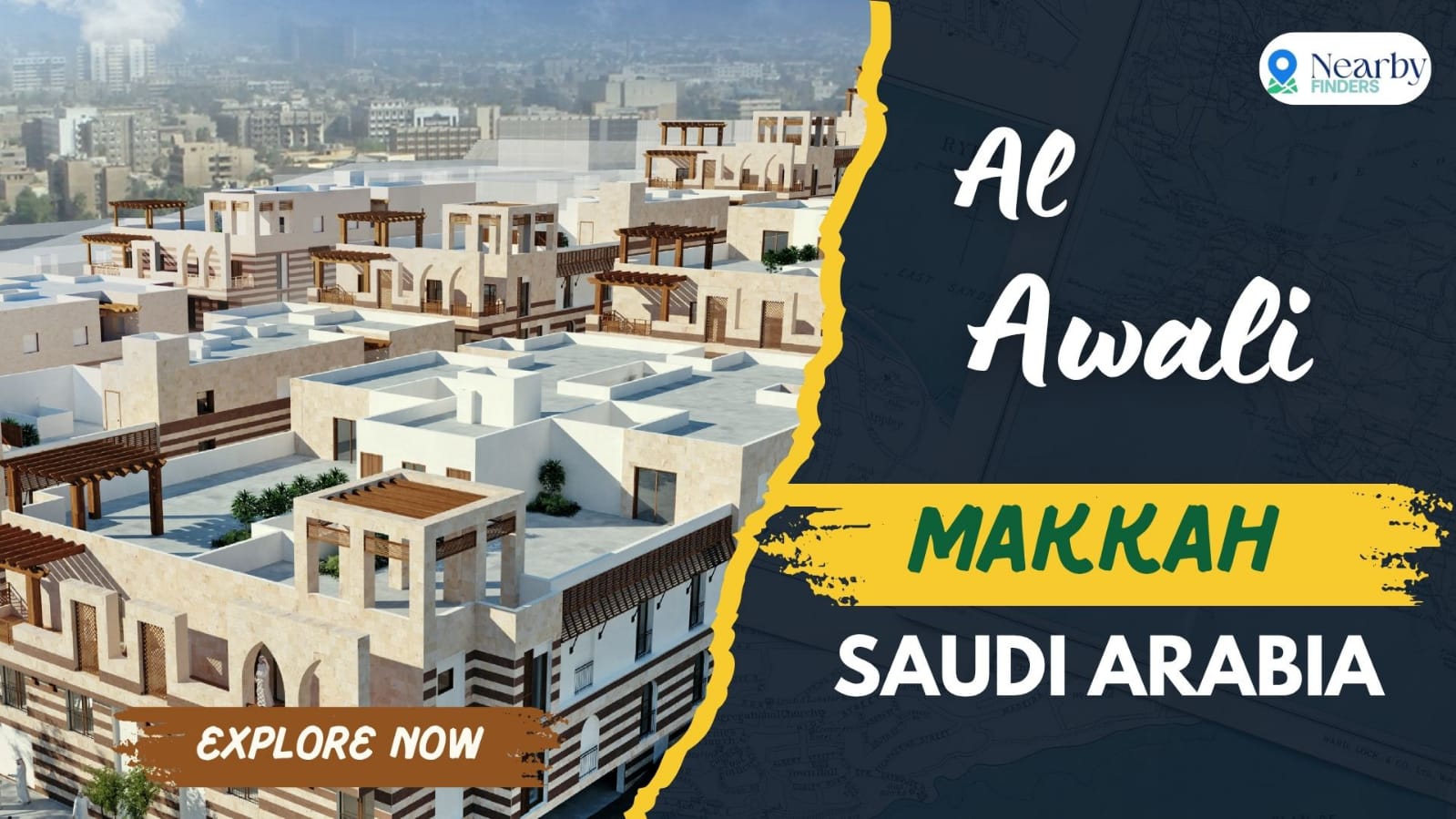
Al-Awali is widely recognized as Makkah’s premier residential sanctuary, offering a higher standard of living at surprisingly manageable prices. Located in the southeastern part of the city, it is the top choice for established expat families, university professors, and medical professionals. This district provides a rare combination of clean air, wide boulevards, and a peaceful community vibe that is hard to find in the city center.
North vs. South Aziziyah Pricing
While Al-Awali is considered "upscale," its rental market offers excellent value for large units. A premium 3-bedroom apartment or a portion of a villa typically ranges from 2,000 to 3,200 SAR. For those seeking long-term stability, this area provides the best "bang for your buck" if you prioritize spacious rooms, modern kitchens, and private parking over proximity to the Haram.
Subdivided Villas & Privacy
A popular trend in Awali is the rental of subdivided independent villas. These units often come with small front yards or roof access, providing a level of privacy and comfort that high-rise apartments in Aziziyah cannot match. For families with children, the availability of safe, gated options is a significant advantage.
Pros: The Suburban Advantage
• Superior Air Quality: Located away from the heavy industrial and pilgrim traffic of the center.
• Educational Excellence: Close to Umm Al-Qura University and several prestigious international schools.
• Parking Abundance: One of the few areas in Makkah where you never have to struggle for a parking spot.
• Community Lifestyle: Features beautifully maintained local parks and family walking tracks.
Cons: Daily Commute Factors
• Haram Distance: Expect a 20–30 minute drive to the Masjid al-Haram during prayer peaks.
• Public Transport: Bus frequency is lower; owning a car is almost mandatory for a smooth life here.
• Retail Density: Fewer budget hypermarkets; most shopping is done in neighboring Aziziyah.
The Academic Hub
Al-Awali is the academic heart of Makkah. Its proximity to Umm Al-Qura University makes it a hotspot for international scholars and researchers. The neighborhood's quiet atmosphere is perfectly suited for study and religious contemplation, away from the commercial distractions of the city center.
Healthcare Access
The district is served by several high-end private polyclinics and specialized medical centers. For residents, this means access to quality healthcare without the long wait times often experienced in the more populated central government hospitals.
A Community for Stayers
If you are looking for a place to stay for 3–5 years, Al-Awali offers the best contract stability. Landlords here prefer long-term tenants and are less likely to increase rent annually compared to "tourist-heavy" zones.
Expert Strategy: The Neighborhood Scan
In Awali, the best deals aren't always online. Drive through the internal residential blocks behind the main commercial roads. Look for buildings that have Fiber-to-the-Home (FTTH) stickers on the walls, as this area has some of the best internet infrastructure in Makkah. Always check the distance to the nearest community park, as this is a key part of the Awali living experience.
Navigating Makkah during peak prayer times requires a smart strategy, especially if you are staying in the city's affordable residential pockets. The Makkah Bus Project has revolutionized local travel, offering a fleet of high-tech, air-conditioned buses that connect every major neighborhood to the Masjid Al Haram. Whether you are a long-term resident or a first-time pilgrim, understanding the Route Maps and Station Hubs is the key to a stress-free spiritual stay.
Aziziyah is the most connected area outside the Markaziyah. Makkah Bus Route 7 and Route 12 are your primary options. Buses run every 5–7 minutes near the Bin Dawood and Masjid Al-Kuwaiti stops. The journey through the Mahbas Al-Jin Tunnels takes about 10 minutes, dropping you at the underground station near the Ajyad side of the Haram.
From Al-Kakiyyah, use Makkah Bus Route 4. This route leads to the Kudai Parking Hub, where you can transfer to the large shuttle buses that go directly to the King Abdulaziz Gate. Total travel time is roughly 20–25 minutes. For those in a hurry, local white taxis often ply the main road for a shared fare of 5–10 SAR per person.
Al-Shuhada residents benefit from Route 1, which utilizes dedicated bus lanes to avoid heavy traffic. The journey to the Haram typically takes less than 12 minutes. The most convenient pickup point is near the major hotel clusters. On your return, catch the bus from the Jabal Omar complex station.
Nuzhah is served by Route 3, which drops passengers at the Jarwal Bus Station. This is perfect for those who want to enter the Haram through the new King Abdullah Extension. The walk from the station to the Haram gates is only about 5 minutes, making it a favorite for residents who prefer less crowded entrances.
Awali is further out, so Route 10 is your lifeline. Buses depart every 15–20 minutes from the main Awali Road. Given the distance, many residents use Uber or Careem for Fajr or Isha prayers to save time. The bus will drop you at the Clock Tower underground station.
• The Makkah Bus Card: Purchase and top up your card at the vending machines located at major stops. Most buses are now cashless.
• Track Live: Use the official Makkah Bus App to see exactly where your bus is in real-time. This prevents standing in the heat unnecessarily.
• Avoid the 'Khurooj' Rush: Immediately after prayer, the stations are packed. Wait 20–30 minutes in the Haram to let the initial crowd clear.
• Friday (Jumu'ah) Warning: Routes change and roads close 2 hours before Jumu'ah prayer. Plan to arrive at least 90 minutes early.
Securing affordable accommodation in Makkah is a balancing act between distance, transport links, and amenities. For pilgrims and Umrah visitors in 2026, the goal is to find a sanctuary that is clean and safe without the "Markaziyah" price tag. By expanding your search to well-connected residential hubs, you can significantly reduce your stay costs while keeping your focus entirely on your spiritual journey.
The "Early Bird" Digital Advantage
For the best rates, start your search 6–8 weeks before your travel dates. Use the Nusuk App for official listings, but also cross-check Booking.com and Agoda for "Hotel Apartments." Properties in Aziziyah North or Al-Shuhada often offer better group rates for 4+ people, providing a much higher standard of cleanliness than older buildings near Mis falah.
Walk-in Negotiations
If you prefer on-ground scouting, head to the residential blocks behind the main roads in Al-Nuzhah or Al-Kakiyyah. Always ask for the "Group Rate" and never finalize a stay without physically inspecting the room’s AC and water supply. Local landlords are often more flexible with pricing for stays exceeding 5 days.
The Smart Pilgrim’s Checklist
• 1. Bus Shuttle: Does the hotel provide its own shuttle, or is there a Makkah Bus stop within 300 meters?
• 2. VAT Transparency: Ensure the quoted price includes the 15% VAT and municipal fees.
• 3. Bed Count: Confirm the room isn't just a "triple" with an extra mattress on the floor.
• 4. WiFi Quality: Test the signal inside the room, not just in the lobby.
• 5. Elevator Capacity: Check if the building has enough elevators to handle the "Adhan rush."
• 6. Nearby Dining: Look for "Matams" (local eateries) nearby to avoid expensive hotel room service.
• 7. Laundry Access: Proximity to a local laundry is vital for Ihram maintenance.
• 8. Prayer Space: A dedicated Musalla in the building is a huge plus for non-Haram prayers.
• 9. AC Inspection: Makkah heat is unforgiving; check the split/central cooling units.
• 10. Arabic Address: Always take a business card with the hotel’s Arabic name and map location.
Stay Safe from Scams & Poor Housing
• 1. Street Agents: Never hand over your passport or cash to unauthorized individuals outside the Haram.
• 2. Illegal Sublets: Avoid renting private residential rooms that lack a commercial license (Tasreeh).
• 3. "Fake" Photos: If a deal looks too good to be true online, it likely is.
• 4. Bus-Less Zones: Never stay in an area that doesn't have a direct link to the Makkah Bus network.
• 5. Shared Toilets: Extremely cheap "bachelor" rooms often share one toilet with 10 people—avoid for families.
• 6. Haram View Scams: Some hotels charge extra for a "view" that is just a sliver of the building's crane.
• 7. Distance Hallucinations: "10 mins to Haram" often means 10 mins by car, not walking.
• 8. Advance Full Payment: Never pay 100% upfront for a long stay before checking in.
• 9. Crowded Lobbies: A chaotic lobby usually means poor management and slow service.
• 10. No Receipt: If they won't provide a stamped receipt, do not pay.
Financial Discipline for Spiritual Focus
To save more for Zakat and charities, minimize your spending on "Haram Views." A room facing the back of the building is often 20–30% cheaper while being just as comfortable. Focus your savings on experiences rather than luxury linens.
Expert Saving Tip: Eat Local
Avoid the food courts at the Clock Tower for your daily meals. Venture 10 minutes out to Aziziyah or Shuhada where local "Bukhari" or "Pakistan/Indian" restaurants offer hearty meals at standard Saudi prices. Using your Makkah Bus Card for all transport will also save you significant taxi fares during your stay. Safe travels and may your pilgrimage be blessed.
Planning a stay in Makkah during 2026 requires more than just finding a bed; it’s about understanding the total daily expense ecosystem. While the Markaziyah (central) area remains expensive, Makkah offers incredible value in its residential pockets. By adopting local habits—like using the Makkah Bus and eating at neighborhood Matams—you can maintain a high quality of life without the premium "pilgrim tax" found near the Clock Tower.
What You’ll Actually Pay in 2026
For long-term residents, a clean 2-bedroom apartment in Al-Kakiyyah or Al-Nuzhah typically costs between 1,800 SAR and 2,800 SAR per month. For short-term Zaireen, a decent room in a 3-star Aziziyah hotel averages 160–250 SAR per night during off-peak seasons. Pro Tip: Prices double during the last 10 days of Ramadan and Hajj, so always secure a fixed-price contract at least 3 months in advance.
Daily Dining Estimates
Eating out in Makkah is surprisingly affordable if you avoid the malls. A standard Al-Baik 4-piece meal is roughly 18–22 SAR. A traditional Mandi (chicken and rice) for one person costs about 22–28 SAR. For groceries, a single person can expect to spend around 1,000–1,300 SAR monthly if shopping at local hypermarkets like Bin Dawood or Panda. Bottled water (1.5L) is standard at 2.5 SAR.
The Digital & Commute Budget
A Makkah Bus ride is fixed at 4 SAR via the smart card. Monthly mobile data plans (approx. 20GB) from Mobily or STC cost roughly 120–160 SAR. For those in apartments, electricity bills in summer can spike to 300–500 SAR due to constant AC usage. In total, a single person living modestly can expect a total monthly budget of 3,800 to 5,500 SAR, covering all basics and a decent room.
Makkah is consistently ranked among the safest cities in the world, thanks to a combination of deep-rooted religious values and cutting-edge security technology. In 2026, the city utilizes an advanced network of AI-monitored cameras and dedicated pilgrim support forces that extend far beyond the Haram into residential districts like Aziziyah and Al-Nuzhah. Whether you are a solo traveler or with family, the presence of the Special Forces for Hajj and Umrah ensures a secure environment at any hour of the day or night.
24/7 Monitoring in Residential Zones
Safety in Makkah isn't just limited to the Markaziyah (center). Suburbs like Al-Shuhada and Al-Kakiyyah are well-lit and patrolled regularly. If you ever face an issue, the unified emergency number 911 is highly responsive and supports multiple languages. Most residential buildings for expats and pilgrims are also equipped with CCTV and secure entry systems, making petty crime almost non-existent in these communities.
Managing the Heat and the Rush
In Makkah, your biggest safety "risks" are often the heat and large crowds. To stay safe:
• Hydration: Always carry water; cooling stations are available throughout the city.
• Peak Hours: Avoid walking long distances between 11 AM and 4 PM during summer.
• Makkah Bus: Use the official bus service for transport; these vehicles are tracked and monitored for passenger safety.
• Tunnels: Only use official pedestrian tunnels that have proper ventilation and security personnel.
Avoiding Fraudulent Services
Stay digitally secure by using only official apps like Nusuk and Tawakkalna for permits. Be wary of unofficial street "guides" offering cheap Umrah packages or illegal private rentals. To ensure your stay is legal and safe, always book through licensed platforms or verify your residential contract via the Ejar system if you are staying long-term.
Expert Tip: Keep a digital copy of your passport and visa on your phone, and always carry the business card of your hotel/apartment building with the Arabic address.
Common Questions: Living in Cheap Areas in Makkah (2026)
Based on 2026 expat rental data, local Aqar listings, and official Makkah Bus transport routes.
| Top Cheap Area | Al-Aziziyah & Al-Kakiyyah | Transport Hook | Near Haram Bus Routes |
| Salary Benchmark | SAR 4,000 – 6,000 | Grocery Access | Near Bin Dawood / Panda |
1. Which is the best cheap area in Makkah for long-term expat families?
In 2026, Al-Kakiyyah and Al-Nuzhah remain the most cost-effective areas for families. These districts offer spacious housing at rates significantly lower than the city center and are located near major hypermarkets like Panda and local schools, ensuring a balanced lifestyle for international residents.
2. How can I stay near the Haram on a budget using public transport?
To minimize costs, focus on Al-Aziziyah or Al-Shuhada. These are the primary hubs for the Makkah Bus network, allowing you to reach the Masjid Al Haram in just 10–15 minutes. Living near Haram bus routes can save you thousands in taxi fares over a single year.
3. What salary is needed to live comfortably in affordable areas in Makkah?
To live comfortably in cheap areas in Makkah, a monthly income of SAR 4,000–6,000 is generally sufficient for a small family. This covers rent in budget-friendly districts (SAR 1,800–2,500), utilities, and grocery shopping at local wholesale markets.
4. Are low-rent neighborhoods in Makkah safe for solo travelers?
Yes, affordable districts like Aziziyah and Al-Awali are exceptionally safe. These neighborhoods have a heavy residential presence and are well-lit, making them ideal for solo travelers or professionals who work late hours.
5. Where can students find the cheapest rental apartments in Makkah?
Religious students often prefer Al-Nuzhah or the quieter lanes of Aziziyah South. These spots offer smaller hotel-style studios that are cost-effective and located near Islamic libraries and universities, providing a spiritually focused academic environment.
6. How do seasonal peaks affect budget living in Makkah?
While short-term hotel rates triple during Ramadan, residents in affordable housing zones are protected by fixed yearly Ejar contracts. This legal framework ensures your monthly rent remains stable despite the influx of pilgrims.
7. What are the typical utility costs in Makkah’s affordable districts?
Expect to pay between SAR 350 and SAR 500 for monthly utilities. Modern buildings near commercial hubs now use energy-efficient split units to help residents manage high electricity bills during the peak summer heat.
8. Which cheap areas offer the best access to groceries and Matams?
Al-Aziziyah is the best-connected district for food and shopping. It features numerous traditional Matams and is within walking distance of Bin Dawood hypermarkets, making it the top choice for budget-conscious grocery shopping.
9. Can I find low-cost housing near green spaces in Makkah?
Al-Awali is the best neighborhood for those seeking access to small parks and walking paths. While it is a slightly more upscale affordable district, it offers a much-needed break from the dense urban congestion found near the city center.
10. What is the legal requirement for renting in Makkah’s cheap areas?
The first step is possessing a valid Iqama. All long-term rentals in cheap areas must be registered through the Ejar portal. This protects your rights as a tenant and is necessary for setting up official utility accounts.
Expert Verdict: Based on early 2026 expat rental trends, Aqar property listings, and official Makkah Bus transit data, this guide provides a realistic view of low-cost housing in Makkah.
Final Verdict: Navigating Cheap Areas in Makkah for 2026
Securing budget apartments near Haram in the 2026 market requires balancing rental costs with seasonal demand. While finding cheap areas in Makkah like Aziziyah and Al-Kakiyyah remains the smartest move for expats, one must account for the fact that rental prices increase during Ramadan and Hajj seasons due to high demand. Most low-cost housing in Makkah is now strategically located within a 10–15 minutes drive to Masjid Al Haram, making long-term stays both spiritually and financially viable.
Neighborhood Comparison: Aziziyah vs Nuzhah vs Kakiyyah
| District | Best For | Haram Connectivity | Price Range |
|---|---|---|---|
| Aziziyah | Public Transport Users | High (Bus Hub) | Moderate-Low |
| Al-Nuzhah | Large Families | Medium (Car/Bus) | Budget-Friendly |
| Al-Kakiyyah | Wholesale Shopping | Low-Medium | Cheapest |
2026 Cost-to-Salary Insight:
To live comfortably in affordable areas in Makkah for expats, a monthly income of SAR 4,000–6,000 is generally sufficient. We recommend prioritizing districts near major shopping hubs like Bin Dawood or Panda to keep daily grocery costs low. Always verify if your building is part of the official Makkah Bus route to avoid the seasonal taxi fare hikes.
Ultimately, picking the right sanctuary in the holy city involves more than just looking at the price tag. Sustainable living is about proximity to reliable transport and legal security through the Ejar portal. By exploring low-rent neighborhoods just 10–15 minutes away from the Clock Tower, you ensure your journey remains focused on prayer rather than financial stress.
Compare your top 3 choices based on Haram distance and seasonal bus availability before signing your yearly contract.