
Living in Rosenberg TX (2026): Cost of Living, Schools, Safety & Real Local Insights
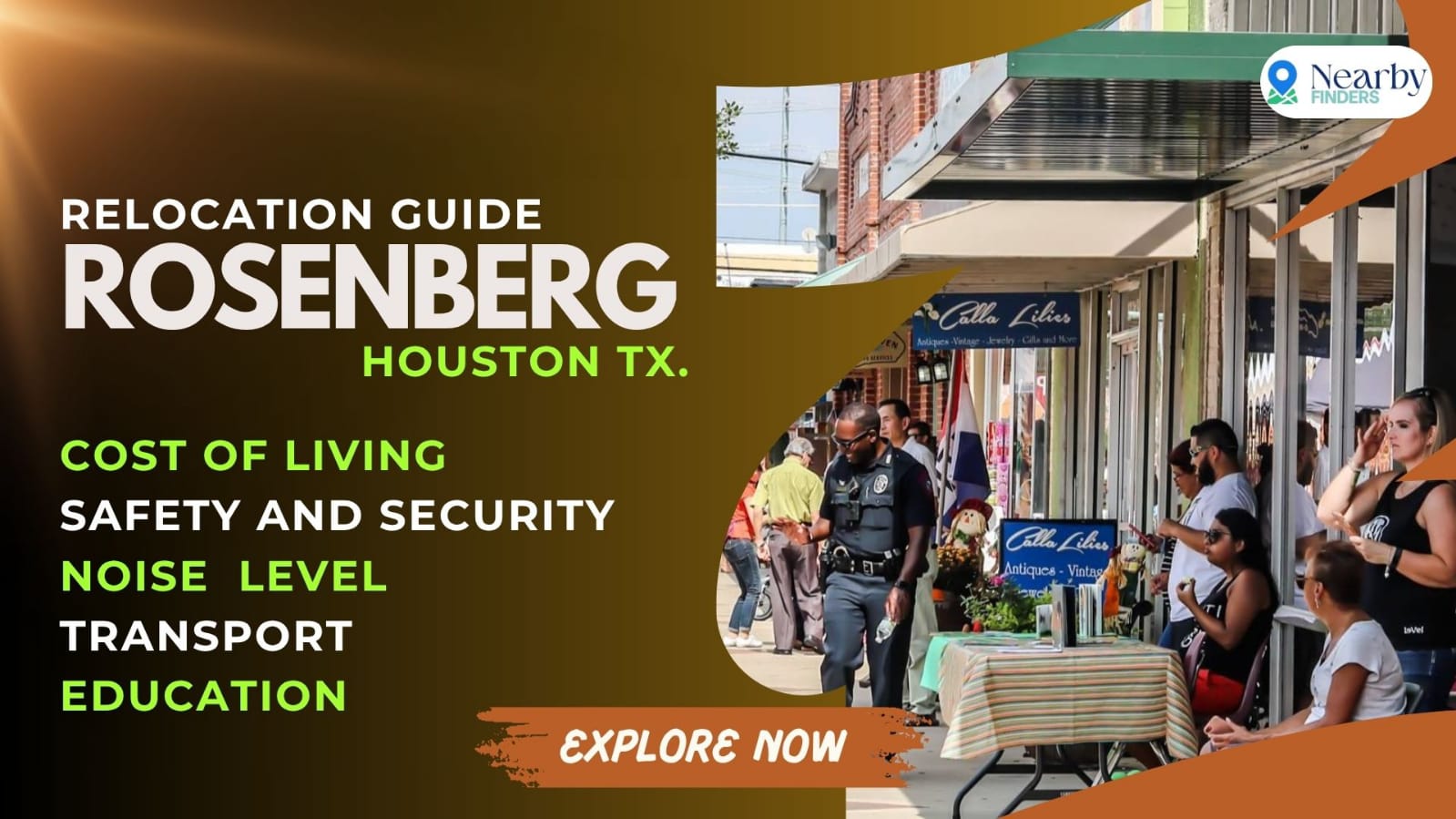
Living in Rosenberg TX is becoming increasingly attractive as Fort Bend County continues its westward expansion. While neighboring districts like Sugar Land reach peak pricing, moving to Rosenberg offers a strategic entry into a high-growth market where the local environment still retains its small-town soul.
Is Rosenberg a good place to live? Yes, Rosenberg is an excellent choice in 2026 for families and professionals seeking affordable housing, high residential quality, and a quieter alternative to the dense Houston suburbs.
In 2026, the city stands out by balancing its rich railroad history with massive new infrastructure. However, deciding if should you move to Rosenberg in 2026 depends on your priorities. It is a city in transition—perfect for those who appreciate larger lot sizes. Yet, it requires a thoughtful relocation decision regarding the daily commute to central Houston.
2026 Rosenberg Relocation Insights:
Scroll down for the detailed 2026 market analysis and community spotlight.
Housing in Rosenberg TX (2026): Rent, Home Prices & Area Guide
For those living in Rosenberg TX, the market offers a more affordable alternative to the high-density pricing of central Houston. In 2026, the local housing landscape is defined by a surge in new-construction homes that provide significantly more square footage than neighboring Richmond or Sugar Land. Here is a realistic 2026 breakdown of rent and home prices in Rosenberg TX:
*Estimates based on 2026 data from local real estate listings. Costs vary based on MUD tax rates and HOA fees.
Market Insight (2026): The housing market in Rosenberg is divided into two distinct segments. While Katy has become a premium hub, affordable housing in Rosenberg remains a key driver for first-time buyers securing larger residential zones at a lower entry price.
Quick Summary: Rosenberg is a top choice for those prioritizing housing costs in Rosenberg TX over proximity to downtown, offering about 30% more space for your dollar than Sugar Land.
Neighborhood Comparison: Where to Settle?
When looking for the best areas to live in Rosenberg for families, the choice usually falls between the character-rich Historic Downtown and modern master-planned communities.
Areas like Summer Lakes and Briarwood Crossing offer the residential quality of Katy but with a quieter, more relaxed pace.
Is Rosenberg TX Right for You?
Is Rosenberg good for families?
Yes, Rosenberg is a good place for families in 2026 because it offers a community-centric lifestyle with parks, schools, and affordable housing.
Advice: Look into master-planned communities if you want structured amenities like walking trails and splash pads.
Is Rosenberg good for professionals?
Yes, it is a practical choice for professionals working in Southwest Houston or Sugar Land who prioritize property ownership over commute times.
Commuter Tip: Focus on the eastern edge of the city to save 15 minutes of local traffic when merging onto I-69.
Is it suitable for young urbanites?
Generally no, as Rosenberg lacks the dense nightlife and pedestrian-friendly social hubs found in areas like Upper Kirby or Midtown.
Is it a good area for budget-first renters?
Yes, Rosenberg is the most budget-friendly major suburb in Fort Bend County, providing high-value rent-to-space ratios.
2026 Growth Spotlight: Future Asset Areas
If you are looking for long-term property value appreciation, pay close attention to the underdevelopment sectors along the Southwest expansion corridor. Areas near the upcoming Spur 10 extension and new sections of Fairgrounds Road are currently offering introductory pricing on modern smart-homes. In 2026, these spots are “undervalued” due to ongoing construction, but as retail infrastructure catches up, these are expected to become high-value assets. Buying here now allows you to secure a home at 2024-2025 price levels before the inevitable 15-20% market correction as the area matures.
Real Estate Tips for Rosenberg TX
- The MUD Tax Factor: When buying property in Rosenberg TX, always verify the specific MUD rate, as newer sectors might have higher initial taxes that fund infrastructure.
- Foundation & Mature Trees: In older established sectors, have a professional check the foundation as mature trees can affect underground plumbing over time.
- New Build Incentives: 2026 presents a strong opportunity to ask builders for “rate buy-downs” which can significantly lower your monthly mortgage payment.
Living Expenses in Rosenberg TX (2026): Grocery Costs & Smart Saving Tips
Managing your living expenses in Rosenberg TX is often more predictable than in the inner-loop Houston districts. In 2026, grocery and daily expenses are one of the most controllable parts of your monthly budget, especially since the city offers a mix of local discount markets and proximity to major retail hubs.
Quick Answer: Most residents can save up to 20% on grocery costs by shopping at Aldi for essentials and visiting Richmond’s H-E-B for fresh produce and specialty items. If you are trying to save money while living in Rosenberg TX, combining stores along the I-69 corridor is a practical strategy.
Estimated Monthly Grocery & Household Expenses (2026)
Planning your monthly budget requires a clear understanding of typical costs for consumables, including dairy, fresh produce, and edible household essentials. In 2026, Rosenberg offers a cost advantage, but the total outlay depends heavily on your household size and shopping frequency. Below is a realistic monthly estimate based on current local retail data.
| Category | Single Person | Family of 3 | Family of 5 |
|---|---|---|---|
| Grocery & Edibles | $280 – $350 | $650 – $800 | $950 – $1,200 |
| Dairy & Poultry | $60 – $80 | $140 – $190 | $220 – $280 |
| Fruits & Vegetables | $70 – $100 | $180 – $240 | $280 – $380 |
| Household Consumables | $40 – $60 | $100 – $140 | $160 – $220 |
Where & How to Shop: Strategic Advice
Finding the right balance between quality and cost requires a tailored approach depending on your family dynamic. Rosenberg’s retail geography allows for significant savings if you match your shopping habits to the right stores.
For Families (3-5+ Members)
The most cost-effective method is the “Bulk & Fresh” combo. Buy your non-perishables and household consumables (toiletries, detergents) in bulk from Sam’s Club or Costco (Sugar Land branch).
For fruits and vegetables, skip the big chains and visit Aldi on Reading Rd or local Richmond produce stands. This strategy can reduce a 5-person family’s monthly bill by nearly $200.
For Professionals & Singles
Efficiency is key for busy individuals. Utilize H-E-B Curbside at the Richmond/Rosenberg border; it prevents impulse buying and saves hours.
Focus on high-quality dairy and meats from Kroger, but leverage their “Fuel Points” to offset your commute costs. Since singles buy in smaller quantities, joining a warehouse club may not be worth the annual fee unless you share the membership with a neighbor.
Pro Tip: Most local Rosenberg grocers mark down meats and bakery items on Wednesday mornings. Aligning your “stock-up” trip with this mid-week cycle is the most practical way to secure premium items at budget prices.
Main Shopping Hubs for Budget-Friendly Groceries
For residents, the retail landscape is conveniently clustered. The Brazos Town Center serves as the primary area for affordable shopping, offering everything from big-box retailers to discount grocers. Unlike the premium-priced organic markets in Sugar Land, Rosenberg focuses on high-volume retail that favors a realistic monthly budget.
| Store | Primary Location | Best For | Price Tier |
|---|---|---|---|
| Aldi | Reading Rd | Basics & Pantry Staples | Budget King |
| H-E-B | FM 762 (Richmond Line) | Meat & Fresh Produce | Mid-Range |
| Walmart Supercenter | Brazos Town Center | One-Stop Shopping | Value |
*Choosing the cheapest grocery stores in Rosenberg TX can significantly reduce your monthly living expenses and overall daily costs.
Budget Management: Maximizing Every Dollar
When evaluating the total cost of living in Rosenberg TX, it’s important to account for Texas’ tax structure. Most essential groceries are sales-tax free. By prioritizing raw ingredients over prepared meals at stores like Kroger and H-E-B, families can keep their budget management tight while enjoying high-quality meals.
The Local Insider’s Strategy:
- Brazos Town Center Perks: Use store-specific apps for “curbside pickup” to avoid impulse buys and stay within your monthly budget.
- The “Sugar Land” Loophole: For bulk items, the Costco in Sugar Land is only 15 minutes away. Buying non-perishables there while living in Rosenberg provides the best value-to-distance ratio.
- Farmers Markets: Keep an eye on local Rosenberg pop-ups for seasonal produce which often beats supermarket prices for freshness and value.
Lifestyle Spending Profiles
Your overall living expenses in Rosenberg TX can vary depending on your lifestyle and shopping habits.
For Large Families:
The cheapest grocery options in Rosenberg for big households are Aldi and Sam’s Club (nearby). This helps ensure daily costs don’t drain your savings.
For Young Professionals:
If you value time, the H-E-B on the Richmond border offers the best mix of quality “ready-to-cook” meals and fuel rewards.
Transportation in Rosenberg TX (2026): Commute, Traffic & Travel Guide
Understanding the local road network is essential for residents of Rosenberg TX who want to balance travel times and fuel usage. As the city serves as a gateway to the southwest Houston metro, its infrastructure is designed to support both local daily travel and regional mobility.
What is the best way to commute from Rosenberg TX?
The best way to commute from Rosenberg TX is by using I-69 (Hwy 59) or the Westpark Tollway. For professionals, Fort Bend Transit Park & Ride services in nearby Richmond provide a reliable option for reaching Downtown Houston or the Texas Medical Center with less stress.
Main Transportation Routes: Tolls & Logistics
The main transportation routes in Rosenberg TX include I-69 and the Grand Parkway (Hwy 99) expansion. While the city maintains a small-town feel, its accessibility to major employment hubs like Sugar Land and the Energy Corridor has improved significantly, though travel time during peak hours requires planning.
| Mode | Estimated Cost | Key Use Case |
|---|---|---|
| Private Car (I-69) | Gas + Maintenance | Daily Workplace Commute |
| Toll Road (99/Westpark) | $3 – $7 per trip | Avoiding Heavy Rush Hour |
| Fort Bend Transit | $4 – $6 | TMC & Downtown Hubs |
*These transportation options in Rosenberg TX give residents multiple ways to manage daily commuting costs and travel time efficiently.
Peak Hours & Traffic in Rosenberg TX
Navigating traffic in Rosenberg TX usually means managing the 7:00 AM to 9:00 AM rush towards Houston. To minimize delay, many residents use the Spur 10 expansion to bypass local bottlenecks. Proximity to the Grand Parkway also allows for quicker North-South access, making trips to Katy or Richmond much faster.
Expert Commuting Strategy:
- The EZ TAG Advantage: Essential for using the Westpark Tollway, which is often the fastest route into the city when I-69 is congested.
- Leverage Hwy 36 & Spur 10: If your destination is the industrial or energy sectors to the south or west, these roads are your primary time-savers.
- Smart Timing: Leaving just 15 minutes before 7:00 AM can reduce your total travel time by nearly 20% due to the merge points near Sugar Land.
Regional Connectivity: Commuting to Neighboring Hubs
Living in Rosenberg provides a strategic vantage point, but your experience depends on how you navigate the “Southwest Corridor.” Whether you are heading to the energy hubs of Katy or the corporate offices in Downtown, timing your departure is the difference between a 30-minute cruise and an hour-long crawl.
To Richmond & Sugar Land
Best Route: I-69 North or Hwy 90 Alt.
Travel Time: 10–20 minutes.
Pro Tip: Hwy 90 Alt is your best friend during I-69 rush hour bottlenecks near the Brazos River bridge.
To Katy (Energy Corridor)
Best Route: Hwy 36 to Grand Parkway (Hwy 99).
Travel Time: 25–35 minutes.
Timing: Avoid the 99 North merge after 7:30 AM; the “Spur 10” shortcut is a local secret to bypass early congestion.
To Downtown Houston
Best Route: Westpark Tollway (via Hwy 99).
Travel Time: 45–60 minutes.
Strategy: Use the Fort Bend Transit Park & Ride from the Fairgrounds. It’s the cheapest and most productive way to commute.
Real-Life Commuter Pro Tips:
- The “Reverse Commute” Myth: Don’t assume going South in the evening is easy. The I-69 South exit at Grand Parkway is a notorious 5 PM trap; stay in the left lanes early to avoid the exit-only queue.
- Weekend Shopping: If you are heading to First Colony Mall (Sugar Land), go before 11 AM. By Saturday afternoon, the Hwy 6 intersection becomes a major time-sink.
- Incident Awareness: Always check the Houston TranStar map before leaving Rosenberg. A minor stall on the Brazos River bridge can add 30 minutes to an otherwise smooth trip.
Transportation FAQ
Is there public transit in Rosenberg?
Public transit in Rosenberg TX is limited, but Fort Bend Transit provides reliable regional commuter services through its Park & Ride network.
Commuter Saving Tip:
Carpooling is a major trend in 2026. Use local community groups to find travel partners heading to the Energy Corridor to split fuel and toll costs.
Cost of Living in Rosenberg TX (2026): Monthly Expenses & Budget Breakdown
Compared to nearby Sugar Land, Rosenberg remains significantly more affordable, offering a lower entry point for homeowners while maintaining strong infrastructure. In 2026, it continues to attract families and professionals who want better value for their money in Fort Bend County. Understanding these costs is essential for anyone planning a monthly budget for living in Rosenberg.
| Expense Category | Single Professional | Family of Four |
|---|---|---|
| Housing (Rent/Mortgage) | $1,350 – $1,800 | $2,400 – $4,200 |
| HOA & MUD Assessments | $50 – $120 | $150 – $450 |
| Utilities (Power, Water, Gas) | $160 – $230 | $380 – $580 |
| Grocery Spending | $350 – $480 | $950 – $1,400 |
| Transport & Daily Costs | $200 – $320 | $550 – $850 |
| Estimated Monthly Total | $2,110 – $2,950 | $4,430 – $7,480 |
Key Factors Influencing Your Local Budget
Is Rosenberg expensive? (Property Tax Focus)
Rosenberg is generally not considered expensive compared to Houston’s inner loop. However, financial planning should account for MUD (Municipal Utility District) taxes in new-build communities, which fund infrastructure but can add to your annual cost of living.
HOA & Insurance Rates
HOA fees are common in master-planned communities like Briarwood Crossing, covering amenities such as pools and security. Insurance premiums also vary by zone, making flood map checks essential.
Pro Tip for Savings: You can manage your grocery spending more effectively by shopping at local discount markets in Rosenberg rather than premium chains in central Sugar Land, saving roughly 15% monthly.
Summary Insight: The overall living costs in Rosenberg offer a “middle-ground” lifestyle—providing more house for your dollar than Sugar Land while maintaining better accessibility to Houston than farther-out rural towns.
MUD Taxes & HOA Fees in Rosenberg TX: Hidden Costs You Must Know
When living in Rosenberg TX, your monthly mortgage is only part of the financial picture. Most newer subdivisions in Fort Bend County rely on specific taxing districts and community associations that can significantly impact your annual household expenses.
Understanding MUD Taxes
In Fort Bend County, MUDs (Municipal Utility Districts) are commonly used in fast-growing suburbs like Rosenberg to finance roads, drainage, and water systems before full city integration. While this infrastructure is essential, it comes as an additional tax on your property.
Real Impact Example:
For a $300,000 home, a 1% MUD tax can add around $3,000 annually to your property tax bill. This is a crucial factor for homeowners in Rosenberg TX to calculate before finalizing their budget.
- What it Costs: Typically ranges from $0.50 to $1.20 per $100 of property valuation.
- Who Pays: Owners in master-planned communities like Summer Lakes or Bonbrook.
- The Benefit: Funding for modern parks, superior drainage, and community-wide utilities.
HOA Fees in Rosenberg
Almost every family-friendly neighborhood here is managed by a Homeowners Association (HOA). These fees maintain the high standards of the suburban lifestyle in Fort Bend County by managing common area landscaping and enforcing community rules.
| Neighborhood Type | Avg. HOA Fee | Typical MUD Status |
|---|---|---|
| Master-Planned | $600 – $1,200 / year | Active Bonds (Standard) |
| Established / Historic | $200 – $500 / year | None or Minimal |
| Gated Communities | $1,200+ / year | Varies by Utility Plan |
Decision Tip: If you want to avoid MUD taxes entirely, focus your search on residents in Rosenberg who live in the “Historic District” where infrastructure was established decades ago.
Expert Advice for Homeowners
- Annual Checks: MUD rates change as bonds are paid off; it’s a good idea for homeowners in Rosenberg TX to review their tax statements every October.
- Review HOA Rules: Before buying, check for restrictions on street parking or fence types to ensure they align with your lifestyle. This is a key part of the pros and cons of suburban life.
While MUD and HOA costs increase the overall cost of living in Rosenberg TX, they are also what make these neighborhoods cleaner, safer, and more desirable for long-term investment.
Utility Bills in Rosenberg TX (2026): Electricity, Water & Monthly Costs
In Rosenberg TX, utility bills are one of the most important monthly expenses for homeowners, especially during peak summer months when electricity usage increases significantly. Monitoring these household expenses early in your move-in process ensures better financial planning for the year ahead.
What is the average utility cost in Rosenberg TX?
Typical monthly utility costs in Rosenberg TX range from $260 to $420 for a standard family home. Choosing the right electricity provider in Texas’ deregulated market can help reduce overall costs by up to 15% annually.
Electricity: The Advantage of Choice
Since Rosenberg operates in a deregulated market, you have the power to choose your provider, which is a major factor in lowering expenses. While summer cooling can push individual bills above $230, smart residents use comparison tools to lock in fixed-rate contracts during the off-season to save money long-term.
| Service | Estimated Cost | Saving Strategy |
|---|---|---|
| Electricity | $140 – $260 | Locking in fixed 12-month rates |
| Water & Sewer | $70 – $105 | Checking MUD district tax rates |
| Trash/Recycle | $22 – $25 | Billed via City of Rosenberg |
Water, Trash, and MUD Services
Beyond reducing electricity bills in Rosenberg TX, many neighborhoods also fall under Municipal Utility Districts (MUDs). While water usage rates remain fairly stable, these districts manage the infrastructure that maintains property values—a critical detail for long-term financial planning.
Expert Strategy for Lower Bills:
- Smart Thermostats: Setting your AC 5-7°F higher while at work can save families nearly $180 annually on monthly utilities.
- Leak Detection: Outdoor irrigation is the biggest culprit for high water costs; check your sprinkler heads quarterly.
- Billing Discounts: Look for providers offering “Paperless” or “Auto-Pay” credits, which often trim a few dollars off your energy costs.
Utilities FAQ
Q: Is the average utility cost in Rosenberg TX higher in summer?
A: Yes. In summer, electricity costs in Rosenberg TX often increase significantly due to high AC usage. Keeping HVAC filters clean every 30 days is the best way to prevent spikes.
Q: How do I set up water service?
A: Most residents set up service through the City of Rosenberg’s utility department, though some newer subdivisions may be managed by private MUD districts.
Community, Lifestyle & Cultural Diversity in Rosenberg TX (2026)
The lifestyle in Rosenberg TX is a unique mix of Old Texas charm and modern suburban growth. The city still reflects its deep railroad history, while new residential development is bringing more diversity and attracting families as well as young professionals looking for a grounded place to call home.
Is Rosenberg TX good for families? Yes. The city offers a safe, community-focused environment with regular local events and a strong sense of neighborhood connection. It remains a top choice for those who want an authentic, small-town feel within the Houston metro.
| Community Group | Presence Level | Lifestyle Influence |
|---|---|---|
| Multi-Cultural Families | High Growth | Increasing demand for parks and local festivals. |
| Young Professionals | Emerging | Growth in remote work-friendly cafes and fitness centers. |
| Agricultural Heritage | Historical Core | Preserving the town’s authentic heritage. |
*This evolving social life ensures that newcomers from various backgrounds find both tradition and progress in the area.
The Heart of Rosenberg: Historic Downtown & Festivals
A major part of life in Rosenberg TX involves exploring the Historic Downtown district, a hub for antique shopping and local dining. Regional events like the Fort Bend County Fair bring the entire community together, offering a vibrant atmosphere that many residents prefer over the fast-paced Houston urban core.
Expert Verdict: Rosenberg is an ideal match for those who value space and a slower pace. The living experience in the city is marked by affordability without sacrificing the identity and warmth of a tight-knit Texas town.
Cultural Landmarks & Public Spaces
The city maintains a network of public spaces that facilitate interaction and family-friendly recreation:
- Rosenberg Railroad Museum: A centerpiece of the city’s identity, celebrating the tracks that built the community.
- Seabourne Creek Nature Park: Featuring wetlands and a butterfly garden, it’s a favorite for those seeking a quiet environment for weekend strolls.
- Brazos Town Center: While primarily retail, it serves as a modern hub for social life, dining, and daily interaction among locals.
The Resident Perspective: One of the most rewarding aspects of Living in Rosenberg TX is the balance between privacy and participation. While the city is growing, it hasn’t lost its “neighbor-helping-neighbor” philosophy. Newcomers often find that joining local community groups or attending the downtown Saturday markets is the fastest way to transition from being a visitor to a true local, allowing them to experience the full depth of the town’s welcoming culture.
Safety in Rosenberg TX (2026): Crime Rate & Neighborhood Analysis
Safety in Rosenberg TX is a key factor for anyone planning to move here. The city maintains a suburban profile with its own dedicated police department, and most residential areas are considered stable and secure. Like any growing city, security can vary by neighborhood, but overall it offers a much quieter and low-risk environment compared to central Houston.
Law Enforcement and Neighborhood Security
The Rosenberg Police Department (RPD) focuses on proactive community patrols to keep crime levels relatively low compared to nearby urban areas. For those looking for the safest areas in Rosenberg TX, master-planned communities like Kingdom Heights and Summer Lakes are frequently recommended. These neighborhoods benefit from high resident engagement and structured layouts that naturally improve neighborhood safety.
Is Rosenberg TX Safe for Families and Children?
The short answer is yes. Living in Rosenberg TX provides a family-centric environment where local policy is geared towards protecting the next generation. The city’s growth has been matched by an increase in family-friendly infrastructure, including gated communities and park systems that are monitored by local law enforcement to ensure a secure space for children to play and grow.
Government Action: Crime Control & Drug Prevention
The Rosenberg city government and Fort Bend County take a “Zero Tolerance” approach toward illegal substances, especially in proximity to educational zones. In 2026, several initiatives have been strengthened:
- Drug-Free Zones: Enhanced penalties are strictly enforced for any drug-related offenses within 1,000 feet of schools and college campuses.
- Campus Security: Collaboration between the Rosenberg Police and local college security ensures regular sweeps and high visibility to prevent “Drugs” (substance abuse) culture from taking root.
- Education Programs: Through the “Substance Abuse Services” of Fort Bend, the government funds workshops for students and parents to identify and prevent early signs of addiction.
For families with older children attending local colleges, the state-mandated Drug and Alcohol Abuse Prevention rules apply. These ensure that institutions provide a safe learning environment, free from the influence of illegal substances, with strict disciplinary actions for violators.
💡 Pro Tip for Parents:
Before moving, check the Crime Control and Prevention District (CCPD) reports on the official Rosenberg TX website. It provides a transparent look at how your tax dollars are being spent specifically on anti-drug and youth safety programs in your neighborhood.
Night Safety: Is Rosenberg Safe at Night?
Yes, Rosenberg TX is generally safe at night, especially in well-lit residential areas and commercial zones like Brazos Town Center. While no city is entirely without risk, the high visibility of local police and active neighborhood watch programs provide a strong sense of reassurance. As with any area, following basic safety precautions during evening hours is always recommended for residents.
Local data indicates that living in Rosenberg offers a more secure, small-town atmosphere compared to the more densely populated areas closer to the Houston inner loop.
| Service | Contact Info | Security Feature |
|---|---|---|
| Rosenberg Police | 911 / (281) 342-5566 | Dedicated community patrol units. |
| Fire & EMS | Multiple Stations | Integrated emergency response. |
Safety FAQ: Residential Security Insights
What are the safest areas in Rosenberg TX?
Subdivisions like Summer Lakes and Kingdom Heights are often cited as the most secure options for families due to their modern infrastructure and active community involvement.
How does Rosenberg compare to other Houston suburbs?
Compared to other Houston suburbs, Rosenberg typically offers a lower-density environment, which reflects in its manageable crime rate and more tranquil residential safety ranking.
Education in Rosenberg: Schools & Learning Opportunities
For many families moving to Rosenberg, the quality of local schools is the deciding factor. The city is primarily served by the Lamar Consolidated Independent School District (LCISD), which has gained a reputation for managing rapid growth without compromising on classroom quality. Unlike the overcrowded districts in central Houston, the suburban lifestyle in Fort Bend County offers students more modern facilities and localized attention.
| School Name | Level | Key Distinction |
|---|---|---|
| B.F. Terry High School | High School | Strong vocational & athletic programs |
| Reading Junior High | Middle School | High scores in STEM & arts |
| George Ranch High School | High School | Elite academic ranking in the region |
Higher Education and Career Training
Rosenberg isn’t just for K-12 students. The proximity to Texas State Technical College (TSTC) makes it a hub for technical and specialized career training. Residents also have easy access to the I-69 corridor, providing a straightforward commute to Downtown Houston for those attending the University of Houston or Rice University.
Parent Insight: Living in Rosenberg TX means your children are part of a district that is consistently building new campuses. This prevents the “over-zoning” issues common in older suburbs and keeps family-friendly neighborhoods in Rosenberg high on the priority list for buyers.
Private & Charter School Alternatives
If public school isn’t your first choice, the area around Rosenberg offers several reputable private and charter options that focus on religious or specialized curricula:
Charter Schools
Focusing on college prep, schools like Harmony Science Academy are popular for parents seeking a rigorous academic environment.
Early Learning Centers
Numerous preschools in Rosenberg focus on developmental milestones, preparing kids for the LCISD transition.
Budgeting for Education: Fees and Related Expenses
While public K-12 schooling is tax-funded, families moving to the area should account for supplementary costs like extracurricular fees, specialized supplies, and private tuition. The suburban lifestyle in Fort Bend County often involves participation in competitive sports or fine arts, which can add to the annual household expenses for residents.
| Category | Estimated Cost | Type of Institution |
|---|---|---|
| Extracurriculars (Sports/Band) | $300 – $1,200 | Public Schools (LCISD) |
| Private K-12 Tuition | $8,000 – $18,000 | Private Academies |
| Technical Certification | $2,500 – $5,500 | TSTC (Vocational) |
| Supplies & Technology | $400 – $800 | All Educational Levels |
Higher education costs at institutions like TSTC are generally more affordable than traditional four-year universities, making Rosenberg an attractive spot for students focusing on technical trades. For those commuting to major Houston universities, fuel and transportation costs should also be factored into the overall monthly budget.
💡 Financial Planning Tip for Parents:
Take advantage of the Texas Sales Tax Holiday (usually in August) to purchase computers, clothes, and school supplies tax-free. This can save families hundreds of dollars, especially if you have multiple children enrolled in the Lamar Consolidated district.
Pro Tips for Navigating the School System
- Verify Your Zone: Before signing a lease or mortgage, use the LCISD “Find My School” tool to ensure your address is zoned to your preferred campus.
- Check Extracurriculars: Rosenberg schools are big on FFA (Future Farmers of America) and athletics; check the campus connectivity to local sports complexes.
- Budget for Supplies: Unlike some districts, LCISD often has specific tax-free weekends that can help lower your cost of living in Rosenberg.
Healthcare in Rosenberg TX: Top Hospitals & Medical Facilities (2026)
Access to quality healthcare in Rosenberg TX is a major advantage for families looking to balance suburban peace with top-tier medical support. The city is served by a mix of local hospitals and clinics, as well as specialized urgent care centers that cater to everything from routine checkups to emergency needs.
| Facility Name | Primary Service | Distance / Area Served |
|---|---|---|
| OakBend Medical Center | General Hospital & ER | ~3 miles (Richmond/Rosenberg) |
| Next Level Urgent Care | Urgent Care Clinics | In Rosenberg (FM 762) |
| Memorial Hermann Sugar Land | Trauma & Maternity | ~7 miles (Grand Pkwy) |
| RapidCare Emergency Room | 24/7 ER Services | Brazos Town Crossing |
Finding the Best Hospitals in Rosenberg TX
When looking for the best hospitals in Rosenberg TX, residents often prioritize OakBend Medical Center due to its long-standing presence and comprehensive cardiac care. For parents, having emergency rooms near Rosenberg like RapidCare ensures that pediatric emergencies are handled without the long wait times often found in the Houston inner loop.
Expert Insight: For residents here, the ability to reach Fort Bend medical facilities via the I-69 corridor means that even the Texas Medical Center is accessible for highly specialized care, though most local needs are met within a 10-mile radius.
Primary Care & Family Doctors
Securing a reliable family doctor in Rosenberg is straightforward, with many primary care doctors and pediatricians now located within the Brazos Town Center area:
Healthcare Facilities Near Sugar Land
Many Rosenberg residents utilize specialists located just over the city line, benefiting from the density of advanced medical networks in neighboring Sugar Land.
Emergency Readiness
Coupled with the city’s high safety ranking, the rapid response times of local EMS provide extra peace of mind for families.
Pro Tips for Managing Healthcare in the Area
- Utilize Urgent Care First: For non-life-threatening issues, local urgent care centers offer much lower co-pays than a traditional ER visit, helping control your overall household expenses.
- Check Specialist Locations: Many primary care doctors in Rosenberg have direct referral paths to the Sugar Land medical hub for specialized diagnostics like MRIs or Ultrasounds.
- 24-Hour Pharmacy Access: While there are local pharmacies, the closest 24-hour locations are often found along the I-69/Hwy 59 corridor towards Sugar Land.
Parks & Recreation in Rosenberg TX: Family Fun & Outdoor Spaces
One of the biggest lifestyle advantages of living in Rosenberg TX is the immediate access to large, well-maintained parks and diverse outdoor spaces. For Rosenberg residents, the local environment isn’t just about small playgrounds; it’s about having massive nature trails, fishing spots, and community hubs that offer a much-needed escape from the urban hustle.
| Park Name | Best For | Key Feature |
|---|---|---|
| Seabourne Creek Nature Park | Hiking & Nature Lovers | Butterfly garden & fishing lake |
| Sunset Park | Sports & Active Families | Basketball courts & splash pad |
| Travis Park | Young Children | Modern playground & picnic spots |
Top Family Activities in Rosenberg TX
Most Rosenberg residents head to Seabourne Creek Nature Park for weekend outings, as its 164-acre layout provides enough space to feel completely disconnected from city traffic. For families, this easy access to outdoor spaces is one of the key reasons why living in Rosenberg TX feels less crowded and more grounded compared to most Houston inner-loop neighborhoods.
Local Insight: The city’s close connection to the Brazos River is often just minutes from residential areas, offering locals a calm environment for bird watching and nature photography without the heavy crowds of major metro parks.
Entertainment & Shopping Hubs
Exploring the local retail scene is among the most popular things to do in Rosenberg TX, especially for young couples and families seeking a mix of history and modern convenience:
Brazos Town Center
As the primary shopping destination for people living in Rosenberg TX, this hub offers everything from major retailers to cinema experiences.
Historic Downtown
Perfect for a slow afternoon, the downtown district is filled with antique shops and cafes that truly define the local community character.
Pro Tips for Enjoying Rosenberg’s Outdoors
- Choose Proximity: If you’re planning on long-term living in Rosenberg TX, selecting a home near the FM 762 corridor will put you within five minutes of the city’s best nature trails.
- Seasonal Events: Keep an eye on the city’s event calendar for “Movies in the Park,” which is a staple family-friendly activity for locals during the spring.
- Off-Peak Visits: To experience the most peaceful environment at Seabourne Creek, visit on weekday mornings when the trails are nearly empty.
Overall, the seamless access to high-quality parks and outdoor spaces makes living in Rosenberg TX especially appealing for families, retirees, and anyone seeking a quieter, more active suburban lifestyle.
Living in Rosenberg TX: Pros, Cons, and Final Verdict (2026)
If you’re wondering whether living in Rosenberg TX is a good choice in 2026, the short answer is: it depends on your lifestyle priorities. While it offers a refreshing break from Houston’s density, the city’s appeal lies in its specific balance of affordability and suburban quietude that may or may not suit every family.
The Pros
- Significant Value: Home prices are often 15–25% cheaper than nearby Sugar Land or Katy for similar square footage.
- Educational Growth: Access to the expanding Lamar Consolidated district, known for modern facilities and localized attention.
- Direct Transit: A straightforward commute to Downtown Houston (approx. 35–50 mins off-peak) via the I-69 corridor.
- Outdoor Space: Exceptional access to large nature parks like Seabourne Creek.
The Cons
- Auditary Profile: Higher noise levels in neighborhoods close to the Union Pacific rail lines or I-59.
- Limited Nightlife: Fewer upscale dining and late-night entertainment options compared to central Houston or Sugar Land.
- Ongoing Construction: Rapid development means dealing with frequent roadwork and changing suburban landscapes.
Who Should Move Here?
For anyone considering living in Rosenberg TX, the value proposition is clear: it’s ideal for first-time homebuyers, growing families, and retirees seeking more space and a calm environment without the premium price tag of established Houston suburbs.
Who Might Not Find it Ideal?
If you prefer a fast-paced urban lifestyle, walkable neighborhoods with vibrant nightlife, or require a very short commute to the Energy Corridor, Rosenberg may feel too quiet and geographically spread out for your daily routine.
The 2026 Final Verdict
Overall, living in Rosenberg TX offers a strong balance of affordability, eighborhood safety, and suburban comfort. While it requires a trade-off in terms of nightlife and commute times, the investment potential and family-centric quality of life make it one of the most practical relocation choices in the Greater Houston area today.
Expert Tips for a Smooth Relocation
- Commute Testing: Drive from your target neighborhood to your workplace during peak morning hours to ensure the transportation times are acceptable.
- Strategic Positioning: If you commute daily, prioritize homes closer to major highway on-ramps to shave minutes off your drive.
- Factor in HOAs: Always include property taxes and HOA fees when calculating your monthly cost of living to avoid budget surprises.
In the end, Rosenberg is not about luxury or fast city life—it’s about space, affordability, and a quieter way of living that many families are now actively choosing in 2026.
Still researching? Review our guides on Safety and School Costs.
Common Questions About Living in Rosenberg TX
Is Rosenberg TX a safe place to live?
Yes, Rosenberg TX is generally considered a safe place to live with manageable crime levels, particularly in master-planned communities. It’s a good idea to check the specific neighborhood safety rankings for areas like Summer Lakes and Kingdom Heights before moving.
Is Rosenberg TX a good place to live in 2026?
Yes, Rosenberg TX is an excellent place to live in 2026 for families and first-time homebuyers seeking affordability and space. The town provides a perfect balance of suburban comfort and proximity to Houston’s major employment hubs.
Is it cheaper to live in Rosenberg than Sugar Land?
Yes, Rosenberg is significantly more affordable than Sugar Land, with home prices often 15-20% lower. This makes the cost of living in Rosenberg TX very attractive for those who want more house for their dollar.
How long is the commute from Rosenberg to Houston?
The commute from Rosenberg to Downtown Houston typically takes 40 to 55 minutes during peak hours. If you are living in Rosenberg TX, make sure you consider the I-69 corridor as your primary transportation route.
What is the school district for Rosenberg?
Most residents in Rosenberg are served by the Lamar Consolidated ISD (LCISD). It is a highly-rated and rapidly growing district; you can find more details in our Rosenberg education guide.
What are the pros and cons of living in Rosenberg TX?
The main pros of living in Rosenberg TX are affordability and family-friendly neighborhoods, while the primary cons include longer commute times and limited nightlife options. Review our final verdict for a deeper dive.
Does Rosenberg TX flood?
Most modern subdivisions in Rosenberg do not have significant flooding issues due to advanced drainage systems. However, it’s a smart move to verify the specific flood zone of a property if it’s near the Brazos River before purchasing.
Is Rosenberg a good place for retirees?
Yes, Rosenberg is ideal for retirees who prefer a quieter pace and lower property taxes. The proximity to high-quality healthcare in Rosenberg TX makes it a very practical long-term choice.
Are there many trains in Rosenberg?
Yes, Rosenberg has active rail lines that pass through the city. While they are part of the city’s historic charm, you should check the noise levels in neighborhoods near the Union Pacific tracks before settling in.
What are the best things to do in Rosenberg?
The best things to do in Rosenberg include visiting Seabourne Creek Nature Park and shopping at Brazos Town Center. For more local tips, see our recreation guide.
These answers cover the most important aspects of living in Rosenberg TX, helping you make a confident and informed relocation decision.