
5 Best Cheap Areas in Barcelona for Rent: 2026 Practical Guide

Quick Insight: In 2026, Metro-connected zones like Nou Barris and Sant Andreu offer significantly better square footage than older city-center studios, often with 20-30% lower monthly costs.
Identifying cheap areas in Barcelona for rent requires a focus on the northern residential ring. For instance, a 1-bedroom apartment in Nou Barris typically ranges between €750 and €1,100. A key local insight for 2026 is that older 5-6 floor residential blocks without elevators often offer a 15-20% rent discount, providing a significant advantage for budget-conscious tenants.
The secret to navigating the rental market lies in Metro strategy. By prioritizing neighborhoods near the L1 (Red) or L3 (Green) lines, you can stay within 20 minutes of the Mediterranean coast while securing cheap areas in Barcelona for rentl. This commute logic allows you to save on housing without sacrificing connectivity to major business hubs.
Best Affordable Neighborhoods in Barcelona for Budget Living
When narrowing down your search, neighborhoods like Horta-Guinardó and El Carmel provide a community-centric atmosphere. These districts feature traditional markets and neighborhood plazas where daily essential prices remain stable compared to the inflated tourist zones of the city center.
| District | Avg. Rent (2026) | Metro Link |
|---|---|---|
| Nou Barris | €750 – €1,100 | L4 / L3 |
| Sant Andreu | €850 – €1,200 | L1 / L9 / L10 |
| Horta-Guinardó | €800 – €1,150 | L5 / L3 |
Expert Verdict 💡: Always check the “Index de Referència” provided by the Generalitat de Catalunya. Even in the cheapest areas of Barcelona, landlords are legally bound to follow specific price ceilings, protecting you from overcharging in 2026.
Nou Barris – Budget-friendly Area in Barcelona for Maximum Savings
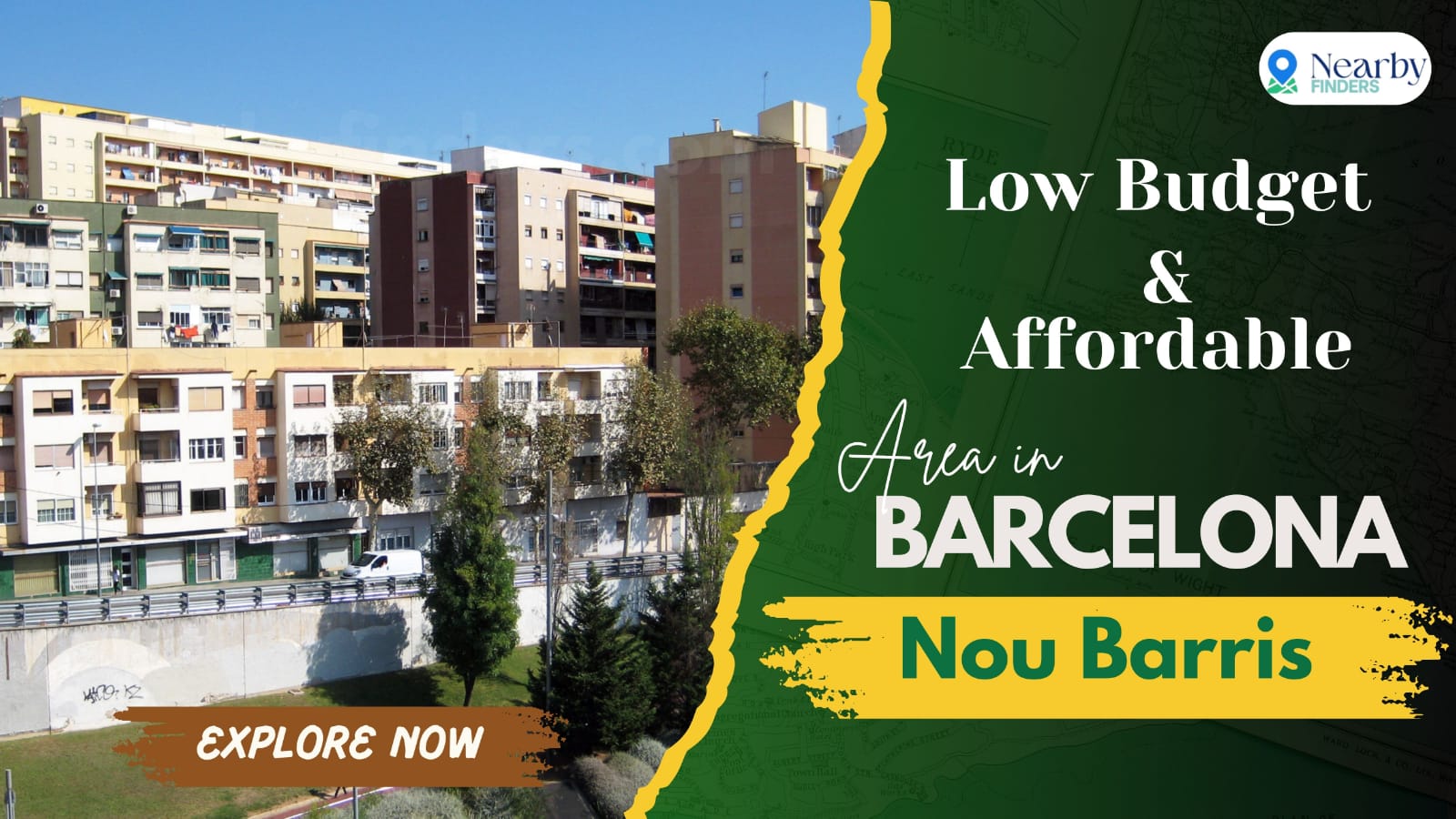
Nou Barris stands as the primary residential hub for individuals searching for cheap areas in Barcelona for rent. It offers a distinct advantage for those who prioritize square footage and lower monthly bills over a central city-center address.
Daily life in Nou Barris is noticeably slower than central Barcelona. After 9 PM, most streets become quiet, with only small local cafes and bakeries open—making it one of the most ideal budget areas in Barcelona for residents who prefer a calm, residential environment over noisy nightlife.
💡 Expert Strategy: Compared to Sant Andreu, Nou Barris offers lower rent but slightly weaker walkability, making it better suited for strict budget-focused renters who don’t mind a residential atmosphere.
1. Rental Landscape
Nou Barris is the benchmark for affordable districts in Barcelona. To put it in perspective: a studio in Eixample might start at €1,300, while Nou Barris still offers decent 1-bedroom units between €850 and €1,000. This 45% price difference is the main reason it ranks high among low cost neighborhoods Barcelona in 2026.
Nou Barris Rent Comparison (2026)
| Unit Type | Monthly Rent | Vs Eixample/Born |
|---|---|---|
| Shared Room | €400 – €550 | Save ~€300 |
| 1-Bed Apartment | €850 – €1,050 | ~45% Lower |
2. Connectivity: The Transit Reality
The L3 (Green) and L4 (Yellow) metro lines are the lifelines here. A commute from Vía Júlia to Plaça de Catalunya takes roughly 22 minutes. However, be aware that:
- Some parts of Nou Barris require a short 5-10 minute bus connection to reach the nearest metro.
- The hilly terrain means a “10-minute walk” to the metro can feel much longer in the summer heat.
- Nightly NitBus services are reliable but take significantly longer than the daytime metro.
3. Hidden Costs to Consider
- Energy Efficiency: Older buildings in Nou Barris often lack modern insulation, potentially leading to higher electricity bills for heating and cooling.
- The “Elevator” Tax: While choosing a floor without an elevator saves you €150 in rent, it is a lifestyle cost that impacts daily chores like grocery shopping.
- IBI & Community Fees: If you are renting an entire house or a unique unit, always confirm if community fees are included in the base rent.
4. Best Locations & Streets
- Prosperitat: The most balanced zone with great metro access and a bustling local market feel.
- Vilapicina: Slightly more expensive but offers the best connectivity and “newer” building aesthetics.
- Torre Baró: The ultimate budget frontier; lowest rents but very steep—best if you own a car or scooter.
5. Who Should Avoid Nou Barris?
If you are a digital nomad who thrives on working from trendy coffee shops or needs a diverse international social scene, Nou Barris will feel isolated. Similarly, those working in the Poblenou tech hub may find the cross-city commute (45+ minutes) frustrating despite the financial savings.
Sant Andreu – Low Budget Area in Barcelona with Village Vibe & Connectivity

Sant Andreu represents one of the smartest choices for those tracking cheap areas in Barcelona for rent — especially if you want to avoid the common trade-off between price and lifestyle. Unlike the steep hills of Horta or the peripheral feel of Nou Barris, Sant Andreu maintains a flat, walkable historic soul that remains highly accessible to those on a moderate budget.
In 2026, it stands out as a premier hub for efficiency. Direct access via the L1 (Red Line) means you can reach Plaça de Catalunya in under 18 minutes. Specifically, properties near the Fabra i Puig station benefit from direct interchange options with regional Rodalies trains, often making the commute faster than from many “central” districts.
💡 Experience Insight: After 9 PM, the streets here become noticeably calm, with only traditional local cafes open. This is the complete opposite of central districts where nightlife noise persists until dawn.
1. Rental Landscape
Sant Andreu is a heavy hitter among low rent areas in Barcelona. To put it in perspective: a 1-bedroom flat here costs roughly 30–35% less than in Eixample or Gràcia. While you might pay €1,400 for a central studio, Sant Andreu still offers decent options between €850 and €1,100, provided you have your NIE and bank statements ready to move within 24–72 hours.
Sant Andreu Rent Comparison (2026)
| Housing Type | Avg. Monthly Rent | Vs Central Areas |
|---|---|---|
| Shared Room | €450 – €600 | Save ~€250 |
| 1-Bedroom Flat | €850 – €1,150 | 35% Lower |
2. Pros & Cons for Residents
Pros: Why It Ranks High
- Safe, pedestrian-friendly streets like Carrer Gran de Sant Andreu.
- Local cafe prices (Coffee: €1.50) are 25% lower than tourist districts.
- Strategic proximity to major malls like La Maquinista and Heron City.
- Better walkability and “Village feel” compared to the hilly terrain of Horta.
Cons: The Warning Signals
- Acoustic Warning: Apartments near active train lines are cheaper but can significantly impact sleep quality due to vibration.
- Limited expat-focused nightlife; you will rely on the NitBus after 12 AM.
- Fewer modern coworking spaces compared to the @22 tech district.
- High demand from locals means rental bidding wars are common.
3. Best Zones & Streets to Target
- Carrer Gran de Sant Andreu: The commercial heart; ideal for those who want everything within a 2-minute walk.
- Near Fabra i Puig: The ultimate transport hub; best for office workers commuting daily.
- La Sagrera: Emerging zone with many renovated industrial spaces; offers the best “value for money” for remote workers.
4. Who Should Avoid This Area?
If you are a student or expat looking for a high concentration of international bars, English-speaking social clubs, or a 24/7 party vibe, Sant Andreu will feel too “local” and quiet for you. In that case, searching for cheap neighborhoods in Barcelona like El Raval might be a better lifestyle fit, despite the safety trade-offs.
Local Insight: Monthly grocery expenses here are typically €60–€90 lower than in Ciutat Vella because residents shop at non-tourist local markets like the Mercat de Sant Andreu.
Horta-Guinardó – Affordable Area in Barcelona with Scenic Views

Horta-Guinardó is one of the most overlooked cheap neighborhoods in Barcelona for those who value fresh air and panoramic city views. Nestled against the Collserola mountain range, this district offers a steeper terrain but compensates with significantly lower price-per-square-meter ratios than the flatlands of the city center.
In 2026, it has become a top choice for those searching for low rent areas in Barcelona. While the hills require more legwork, the district is considered one of the quieter and safer residential zones, especially compared to nightlife-heavy areas like El Raval or Gràcia, making it ideal for families and long-term residents.
💡 Pro Tip: In Horta, “Interior” apartments (facing the building courtyard) are often €100 cheaper and much cooler during the humid Barcelona summers.
The connectivity via the L5 (Blue Line) is seamless. For example, a commute from El Carmel to Sagrada Família takes approximately 12 minutes (L5 direct), placing you in the heart of the action without the tourist-price tag on your doorstep.
1. Locations & Real Rental Costs
To find the most affordable neighborhoods in Barcelona within this district, focus on Teixonera and El Carmel. Older apartments (pisos antiguos) are cheaper but may lack insulation, while renovated units (reformados) cost slightly more but significantly reduce utility bills in the long run.
Horta-Guinardó Living Expenses (2026 Estimate)
| Item/Service | Estimated Cost | Local Insight |
|---|---|---|
| Small Studio Rent | €800 – €950 | Check for “Cédula” |
| Monthly Groceries | €200 – €250 | Shop at Mercat d’Horta |
| Coffee (Café con leche) | €1.40 – €1.70 | Non-tourist pricing |
2. Pros & Cons of Hillside Living
Pros: The Bright Side
- Stunning green spaces like Parc del Laberint d’Horta and Guinardó Park.
- The Bunkers del Carmel provide the best free sunset views in Barcelona.
- Quiet residential nights with almost zero party-noise interference.
- Excellent air quality compared to the dense Eixample grid.
Cons: The Real Challenges
- The steep incline of many streets makes walking with groceries physically demanding.
- Older buildings often lack underground parking or modern elevators.
- Night buses (NitBus) are less frequent compared to central arterial roads.
- Commute time to the beach is longer than southern residential zones.
3. Remote Work & Rental Strategy
For digital nomads, Horta is an economical place to live in Barcelona with improving infrastructure. Fiber coverage is strong, but always confirm high-speed internet availability before signing a lease. Use local portals like Idealista or Fotocasa, and have your NIE and last 3 months of bank statements ready to secure a flat before it’s taken.
Transportation Fact: The L5 Metro line running through Horta-Guinardó is widely considered the most reliable line in the city, with fewer weekend maintenance closures than the L1 or L4.
El Carmel – The Best Value for Low Rent in Barcelona

El Carmel is widely considered the ultimate cheap area in Barcelona for anyone prioritizing monthly savings over flat terrain. As one of the most budget housing Barcelona options, it offers dramatic views of the skyline and the Mediterranean Sea, often at half the price of the city center.
Evenings in El Carmel feel completely disconnected from the tourist chaos below. You will often see locals sitting outside small, unpretentious bars, sharing a drink while watching the sunset over the entire city skyline. This deep residential calm makes it ideal for those seeking low cost flats Barcelona who prefer a humble “pueblo” atmosphere.
💡 Comparison: Compared to Nou Barris, El Carmel offers more iconic scenery and a unique vertical lifestyle, but the streets are significantly steeper, making daily errands a physical commitment.
1. Rental Landscape & Cost Advantages
When looking for the cheapest rent Barcelona districts, El Carmel is a powerhouse. Because the geography is challenging, demand stays lower than in Eixample. You can often secure a 2-bedroom unrenovated flat here for the same price (€850–€1,000) as a single shared room in central locations.
El Carmel Rent Estimate (2026)
| Housing Type | Avg. Rent | Vs City Center |
|---|---|---|
| Small Apartment | €800 – €950 | ~50% Savings |
| Renovated Unit | €1,000 – €1,200 | Save ~€500 |
2. Connectivity: The “Vertical” Reality
Although the L5 connects El Carmel to central Barcelona quickly, reaching the station itself often requires navigating steep streets or public escalators, which adds extra time to your daily commute.
- Public Escalators: They are a lifeline, but maintenance is common—always have a backup bus route ready.
- Interchange Reality: Reaching the beach or tech hubs usually requires a metro change at Verdaguer, making the total trip closer to 35-40 minutes.
- Bus Superiority: For those living near the top of the hill, the V17 bus is often more reliable and less physically draining than the metro hike.
3. Hidden Costs & Expert Insights
- Humidity Check: Being closer to the mountains means El Carmel is cooler and more humid. Always inspect older “pisos” for mold or dampness before signing.
- Grocery Delivery: Carrying heavy bags up steep inclines is a hidden physical cost. Many residents budget an extra €10/month for home delivery services from Mercadona or Alcampo.
- Infrastructure: Narrow alleys can sometimes mean slower fiber installation times compared to the wider Eixample grid.
4. Best Zones & Streets to Target
- Lower Carmel: Best for metro accessibility and closer to the Mercat del Carmel.
- Carrer de la Murtra: A balanced residential street offering a mix of price and greenery.
- Near Bunkers del Carmel: Unbeatable sunset views, though expect high tourist foot traffic on weekends.
5. Quick Suitability Guide
| Best For… | Worst For… |
|---|---|
| Strict budget renters & students | People with limited mobility |
| Lovers of city views & hiking | Beach lovers & sea-side workers |
| Those seeking an authentic local vibe | People wanting international nightlife |
6. Who Should Avoid El Carmel?
If you have any mobility issues or simply hate climbing stairs, you should absolutely avoid El Carmel. Similarly, if your social life revolves around walking to trendy beach bars or upscale clubs, the gritty, humble nature of this low-cost neighborhood in Barcelona will not meet your expectations.
Local Insight: Dining at family-run spots like Bar Delicias provides a genuine taste of Catalan life at roughly 40% less than city-center prices.
Sant Martí – Coastal Proximity with Budget Friendly Prices

Sant Martí is the perfect cheap area in Barcelona for those who want to stay close to the Mediterranean coast without paying the premium prices of the Olympic Village or Poblenou. As a top-tier budget housing Barcelona option, it offers wide boulevards and modern infrastructure that feels more spacious than the cramped old city.
Morning life here has a refreshing coastal energy. You will see residents jogging towards the Mar Bella beach or cycling along the safe lanes of Gran Via de les Corts Catalanes. Evenings feel calm and breezy, providing a clean, organized atmosphere that is hard to find in other low cost flats Barcelona.
💡 Comparison: Compared to El Carmel, Sant Martí is completely flat and bike-friendly, making it better for those who dislike hills. However, you trade the dramatic city views for direct proximity to the sea.
1. Rental Landscape & Strategic Zones
For the cheapest rent Barcelona districts, focus on La Verneda i la Pau. While the beachfront is expensive, these inland residential blocks offer large apartments at significant savings. It is a key entry for expats who work in the 22@ tech district but want to avoid the high rental pressure of the nearby “trendy” streets.
Sant Martí Rent Estimate (2026)
| Housing Type | Avg. Rent | Vs Poblenou/Beachfront |
|---|---|---|
| Standard Room | €450 – €600 | Save ~€200 |
| 2-Bed Apartment | €1,000 – €1,250 | 30% Lower |
2. Connectivity: The Coastal Commute
Sant Martí is a transit powerhouse, but peak hours require patience. The L2 (Purple) and L4 (Yellow) lines are your primary lifelines:
- Peak Hour Reality: The L4 line towards the city center can be extremely crowded between 8:00 AM and 9:30 AM. Expect a “packed” experience during these windows.
- Tram Advantage: The TRAM network is often less stressful than the metro for reaching the Diagonal Mar area or Glòries.
- Bike Friendliness: Unlike El Carmel, this is a cyclist’s dream. You can reach the beach in under 15 minutes from almost any point in the district.
3. Hidden Costs & Expert Insights
- Industrial Pockets: Some streets near the main avenues can feel industrial and less “cozy.” Always walk the neighborhood at night to ensure you are comfortable with the lighting.
- Utility Bills: Many buildings here are newer than those in the Gothic Quarter, which usually means better energy efficiency and lower heating costs.
- Maintenance Fees: Check if the building has a doorman (Portero), as this can slightly increase the community fees if they are not included in the base rent.
4. Best Zones & Streets to Target
- La Verneda i la Pau: The absolute budget frontier; best for families and high-value shared housing.
- Near Sant Martí Metro: Offers the best balance of local shops, markets, and direct transit access.
- Near Parc del Centre del Poblenou: Ideal for tech workers who want to be within walking distance of work without paying Poblenou rent.
5. Quick Suitability Guide
| Best For… | Worst For… |
|---|---|
| Tech workers (22@ proximity) | Fans of historic/gothic architecture |
| Beach lovers & daily cyclists | Those seeking a trendy “Bohemian” vibe |
| Families needing modern parks | People who want 24/7 central nightlife |
6. Who Should Avoid Sant Martí?
If you are looking for the narrow, charming alleys of medieval Barcelona or a neighborhood with a strong artistic personality like Gràcia, Sant Martí will feel too functional and “modern” for you. It is a district built for efficiency and coastal access, not for historic sightseeing.
Local Insight: The Sant Martí Market is a hidden gem where you can find fresh seafood at prices significantly lower than the tourist-packed Boqueria in the city center.
Comparison – Cost of Living in Barcelona Districts 2026
Barcelona cost of living in 2026 averages between €1,250 and €1,500 per month for a single person, depending on location, lifestyle, and housing type.
How much money do I need per month in Barcelona?
A single person needs around €1,250–€1,500 depending on lifestyle and their choice of cheap areas in Barcelona.
Is Barcelona expensive for rent in 2026?
Central areas are expensive, but affordable neighborhoods Barcelona like Nou Barris and El Carmel remain accessible for budget seekers.
What is the cheapest area to live in Barcelona?
Nou Barris is generally the cheapest residential zone, followed closely by the hilly districts of El Carmel and Horta-Guinardó.
| Neighborhood Entity | 💰 Value Score | 🚇 Commute | 🌆 Lifestyle | 🛡️ Safety Feel |
|---|---|---|---|---|
| Nou Barris | ⭐⭐⭐⭐⭐ (10/10) | ⭐⭐ (5/10) | ⭐⭐ (4/10) | ⭐⭐⭐ (7/10) |
| El Carmel | ⭐⭐⭐⭐ (9/10) | ⭐⭐⭐ (6/10) | ⭐⭐⭐ (6/10) | ⭐⭐⭐ (7/10) |
| Horta-Guinardó | ⭐⭐⭐⭐ (8/10) | ⭐⭐⭐⭐ (8/10) | ⭐⭐⭐⭐ (8/10) | ⭐⭐⭐⭐ (8/10) |
| Sant Andreu | ⭐⭐⭐ (7/10) | ⭐⭐⭐⭐ (9/10) | ⭐⭐⭐⭐ (8/10) | ⭐⭐⭐⭐⭐ (10/10) |
| Sant Martí | ⭐⭐⭐ (7/10) | ⭐⭐⭐⭐ (8/10) | ⭐⭐⭐⭐ (9/10) | ⭐⭐⭐⭐ (8/10) |
🥇 The Verdict: Who is the Real Winner?
Best Overall Choice
Sant Andreu
Lowest Rent
Nou Barris
Best Lifestyle
Sant Martí
Best Nature/Peace
Horta
Best Views
El Carmel
Entity Guide: Saving on Cost of Living in Barcelona
Using the T-Usual transport card (Barcelona metro system) significantly reduces monthly travel costs across all zones in Spain. For groceries, residents in affordable neighborhoods Barcelona save around €150 monthly by shopping at Mercadona or Lidl instead of tourist-focused convenience stores.
2026 Monthly Budget Summary (Euro)
- 🏠 Room in Cheap Areas Barcelona: €450 – €650
- 🛒 Food (Mercadona/Lidl): €280 – €320
- 🚇 T-Usual Monthly Pass: €21.35
- 💡 Utilities (Water/Light): €110 – €140
🚨 Scam Alert: Don’t Lose Your Deposit!
Before you search on Idealista or Fotocasa, remember these 2026 market rules:
- The “Too Good to Be True” Rule: A flat under €750 in any cheap areas in Barcelona is likely a scam.
- Legal Deposit Caps: Fianza is regulated under the Ley de Vivienda for all affordable neighborhoods Barcelona.
- The Padron Trap: Always confirm the contract allows for legal registration (Empadronamiento) in the city.
How Locals Find Affordable Apartments in Barcelona
“One thing many newcomers realize only after moving is how different each district feels at night—something you can’t fully understand from online listings alone.”
Finding a home in one of Barcelona’s low-cost residential zones is about more than just speed; it’s about localized strategy. In 2026, the market has shifted. Success now depends on bypassing tourist-facing portals and tapping into the budget-friendly neighborhoods where locals actually live. This roadmap will help you navigate the legal, financial, and street-level realities of the city.
1. Scouting Tactics: The Owner-Direct Secret
To find the most economical housing options in Barcelona, you must filter for “Particular” on Spanish apps. This connects you directly with owners in districts like Nou Barris or Sant Andreu, often saving you the standard 10% agency commission.
The “Handwritten Sign” Reality
I’ve seen dozens of people find their best deals by simply walking through the plazas of Horta or El Carmel. Look for “Se Alquila” signs in windows or on the notice boards of local neighborhood pharmacies. These owners often prioritize finding a reliable, quiet tenant over getting the highest possible rent.
2. The Essential Pre-Contract Checklist
Before you commit to a budget-friendly apartment, make sure you check these four non-negotiable legal pillars:
- Nota Simple: Verify the owner’s identity via the Property Registry to avoid illegal sublets.
- Cédula de Habitabilidad: Ensure the property is legally fit for habitation, especially in converted ground-floor units.
- Utility Debt: Confirm there are no outstanding electricity or water bills from previous tenants.
3. Comparative Lifestyle Economics
Living in an affordable district like Sant Martí or Sant Andreu isn’t just about the rent savings; it’s about the overall cost of living.
| Monthly Expense | Central Districts | Budget Hubs |
|---|---|---|
| Basic Groceries | €320+ | €210 (Local Markets) |
| Menu del Dia | €18 – €25 | €11 – €14 |
Pro Tip: Don’t just focus on the rent price. A slightly more expensive flat in Sant Andreu might actually be cheaper in the long run if it has a high energy efficiency rating (EPC), saving you €80/month on winter heating.
Cost of Living in Barcelona 2026 Guide
The average cost of living in Barcelona in 2026 ranges between €1,200 and €1,600 per month for a single person. This realistic budget covers rent in affordable residential districts, monthly utilities, grocery expenses, public transport passes, and basic personal needs.
How much does it cost to live in Barcelona in 2026?
A single person typically needs €1,200–€1,600 per month depending on the neighborhood, with significantly lower costs found in areas like Nou Barris and El Carmel.
Is Barcelona expensive to live in?
Barcelona is moderately expensive compared to other Spanish cities, but budget-friendly neighborhoods still allow a comfortable lifestyle for under €1,400 monthly.
What is the cheapest area to live in Barcelona?
Nou Barris and El Carmel are generally the cheapest residential zones in 2026 due to their older housing stock and distance from the high-traffic tourist center.
1. Housing and Rental Breakdown
A shared room in Nou Barris or El Carmel costs €400–€600 per month. A 2-bedroom apartment in areas like La Verneda ranges from €950–€1,250, making these zones the most affordable in Barcelona.
Most landlords in these budget hubs require a one-month deposit (fianza). By focusing on “Particular” listings, you can avoid agency fees which typically equal one month’s rent.
2. Grocery and Monthly Food Budget
Below is a quick breakdown of essential living costs in Barcelona 2026:
| Essential Item | Average Price |
|---|---|
| Fresh Bread (Barra) | €0.60 – €0.90 |
| Milk (1 Liter) | €1.10 – €1.25 |
| Total Grocery Budget (Single) | €280 – €320 / month |
3. Utilities, Internet, and Transport
Monthly living costs in Barcelona include €90–€130 for utilities, €25–€35 for internet, and €21.35 for an unlimited monthly transport pass. A realistic total budget for a single person living in a budget-friendly area is €1,250–€1,500 per month.
Is Barcelona Safe? – Real-World Security & Safety Insights 2026
Barcelona is safe to live in 2026, especially in residential districts like Sant Andreu, Horta-Guinardó, and El Carmel, which offer low crime rates and affordable housing options for families and expats.
In short: Yes — Barcelona is safe, especially in residential budget districts outside tourist zones.
Based on municipal safety data patterns, expat reports, and residential crime trends in Barcelona (2026).
Before moving, you should compare safest and cheapest districts in Barcelona 2026 to ensure the area meets your security requirements.
Are affordable neighborhoods in Barcelona safe for families?
Yes. Affordable neighborhoods in Barcelona like Sant Andreu and Horta-Guinardó are considered safe due to strong community presence and regular police patrols. These outer districts maintain a traditional family atmosphere, significantly reducing exposure to the petty theft common in the city center.
- Mossos d’Esquadra (Catalonia regional police force): Maintain a high-visibility presence in these commuter zones.
- Guàrdia Urbana (Local municipal police): Focus on neighborhood safety and localized security in family plazas.
Summary: Residential areas are safer than tourist hubs and are well-protected by professional law enforcement.
How to avoid scams in low-crime neighborhoods?
Staying safe in budget areas requires following official housing protocols. Expats should physically verify rental contracts and always use the 112 Universal Emergency Number for multi-language police or medical assistance in case of suspicious activity.
Summary: Physical verification of rental documents is the best defense against localized scams.
Is public transport safe in Barcelona commuter zones at night?
Yes. Barcelona’s NitBus (Night Bus Network) provides a reliable and secure way to reach residential areas after the Metro closes. All transport hubs are equipped with 24/7 CCTV surveillance, ensuring a safe commute for those living in low-cost neighborhoods.
Summary: Barcelona’s transit infrastructure is well-monitored and considered secure for night time travel in residential districts.
2. How can I find a cost-effective area in Barcelona for expats?
Focus on commuter zones like Horta and El Carmel that sit directly on the L3 and L5 Metro lines. These neighborhoods provide a significant discount on rent while keeping you within a 20-minute journey of the city center.
Summary: Prioritize proximity to Metro lines rather than the city center to save money.
3. Are outer neighborhoods in Barcelona safe for families?
Yes. Sant Andreu and Horta-Guinardó are safe and affordable for families in 2026. These districts offer strong community presence, localized police patrols, and lower crime rates than central tourist hubs.
Summary: Residential outer zones are statistically safer for families than the historic center.
4. Where can students find the lowest rent in Barcelona?
Les Corts and Sant Martí offer the most competitive housing options for students in 2026. These areas are popular due to a high density of shared apartments and their proximity to major university campuses.
Summary: Shared flats in these student hubs are the most economical choice for academics.
5. How much are monthly utilities in budget areas?
Expect to pay €130 to €170 monthly for water, electricity, and fiber internet in 2026. While rent is lower in outer districts, utility rates remain standardized across the Barcelona metropolitan area.
Summary: Budget around €150 for basic monthly services in most residential flats.
6. Is budget living in Barcelona Spain achievable for newcomers?
Yes, budget living is highly achievable by selecting cost-effective areas and adopting local habits. Utilizing the T-Usual transport pass and shopping at local markets can keep your expenses within a manageable range.
Summary: Smart neighborhood selection and local lifestyle choices are key to affordability.
Final Verdict on Choosing a Cheap Area in Barcelona
The best cheap areas in Barcelona 2026 are Nou Barris, Sant Andreu, Horta-Guinardó, and El Carmel, offering low rent, good transport links, and safe residential living.
Settling in commuter-friendly zones is the most practical way to enjoy the city while maintaining financial flexibility. Identifying the right residential suburbs is now the top priority for those seeking a sustainable cost breakdown Barcelona 2026.
Strategic Planning for Outer Districts
Before starting your search, track the shifting market trends in affordable zones like Sant Andreu and Horta. These neighborhoods offer advantages like quieter streets and community parks, making them the preferred choice for a budget-friendly lifestyle in Spain.
Optimizing Life in Low-Cost Neighborhoods
Ultimately, the best low-crime residential areas are those that offer a sense of belonging without draining your savings. Exploring cost-effective districts away from tourist hubs allows you to experience an authentic side of Barcelona while securing a sustainable future in Europe.
Based on public housing trends, transport accessibility, and rental market patterns in Barcelona (2026).
Ready to Find Your Home in Barcelona?
Don’t let the market trends pass you by. Start exploring our verified neighborhood lists and secure your affordable apartment today.