
Top 5 Best Affordable & Cheap Areas in Riyadh – Budget-Friendly Guide (2026)
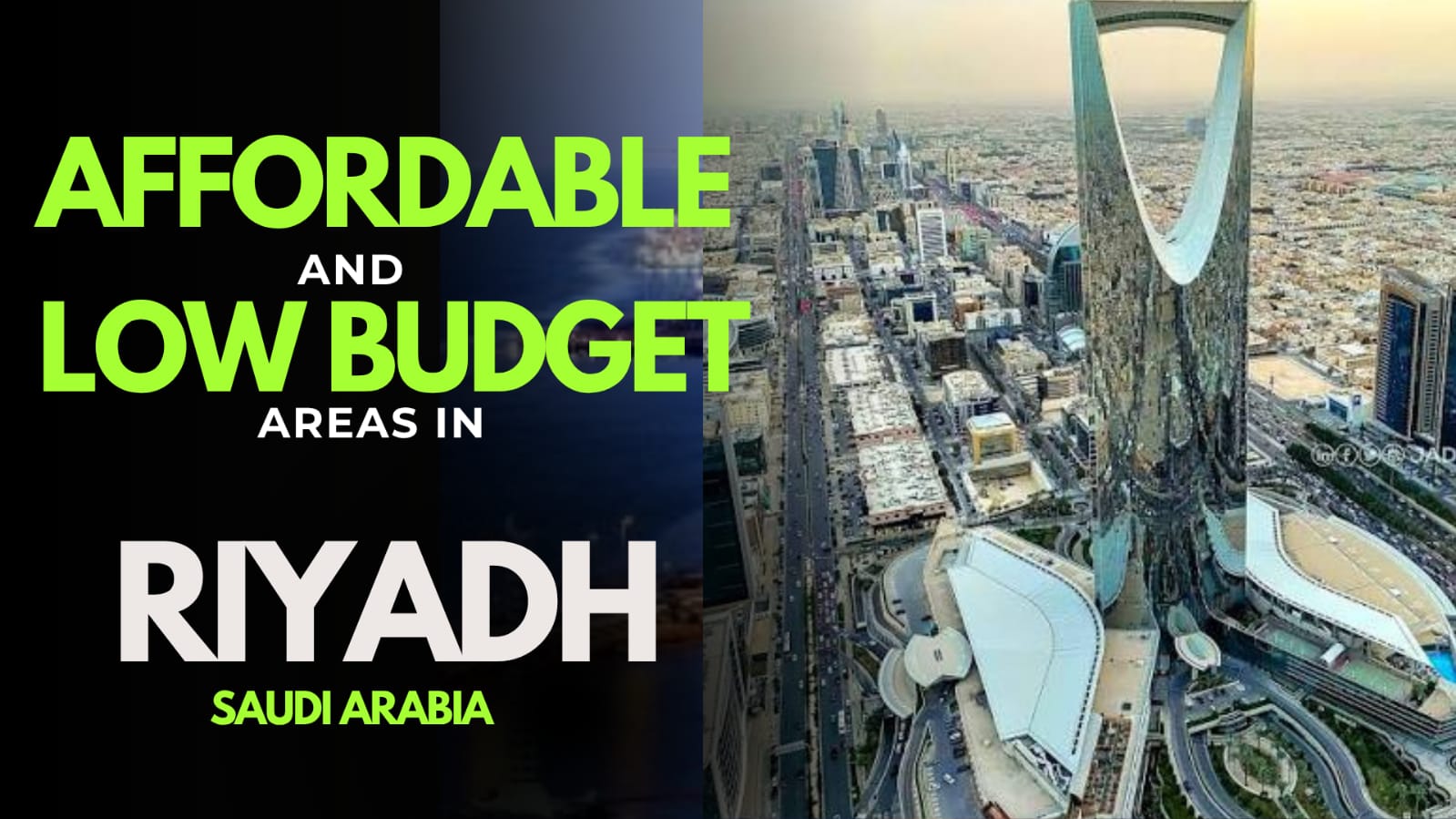
Looking for cheap areas in Riyadh in 2026 without overspending on rent? You are not alone. With rising living costs in the Saudi capital, finding a budget-friendly neighborhood that offers both comfort and connectivity has become more important than ever. Riyadh remains a diverse metropolis with many affordable areas that provide a comfortable lifestyle with modern amenities at a reasonable cost. Identifying budget districts for rent is much easier when you focus on well-connected residential rings that balance price with accessibility.
Riyadh is famous for its rapid development and vibrant social scene, making it a surprisingly affordable city for those who understand local rental trends in 2026. Whether you are searching for low-cost residential areas for families or compact studios near your workplace, the options are numerous. The capital provides excellent security and a family-oriented environment in every district, ensuring that your stay is comfortable regardless of your budget. This guide is designed to help you navigate the market and secure the best rental deals without overspending.
How to Find the Best Cheap Areas in Riyadh for Rent (2026)
As you explore the top affordable districts in Riyadh for newcomers, you will notice that each neighborhood has its own unique character and benefits. Creating a reliable affordable Riyadh neighborhoods list is essential for smart financial planning, as it allows you to compare transport links and local services side by side. Many residents now prioritize an affordable area in Riyadh near public transport, especially with the expansion of the Riyadh Metro lines, which drastically reduces daily commuting times.
Budget living in Riyadh Saudi Arabia is highly sustainable thanks to the abundance of low-cost hypermarkets and local neighborhood cafes that offer affordable dining options. By choosing a budget-friendly neighborhood in Riyadh, you can save significant funds for travel or personal investments while still enjoying a premium urban lifestyle. This comprehensive guide covers everything from the cheapest areas in Riyadh for students to established professional hubs. Start your journey today by exploring the most cost-effective residential zones in the heart of the Kingdom.
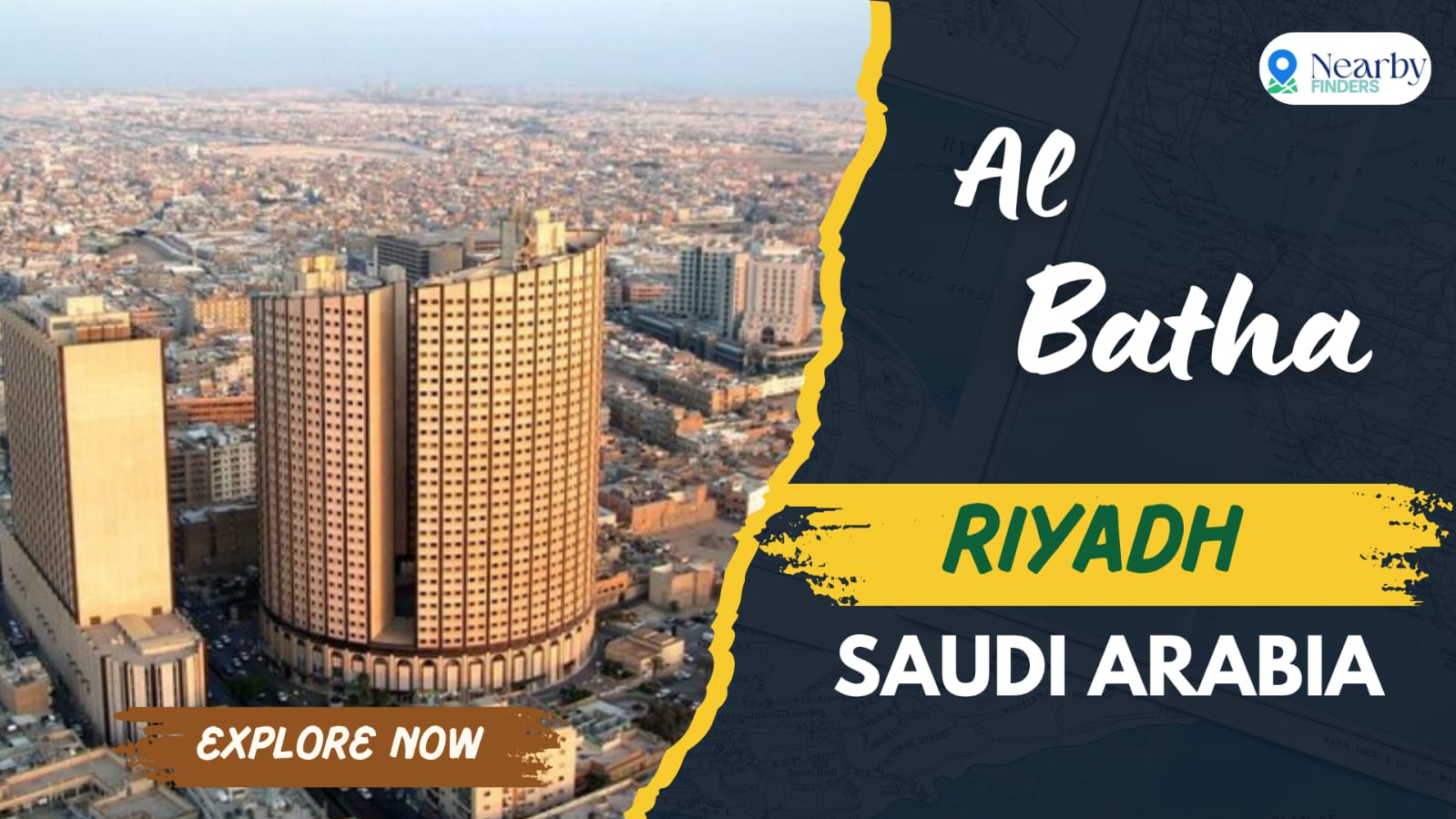
Al-Batha is one of the most affordable areas in Riyadh for residents who prioritize lower overheads above all else. Located in the heart of the Old Riyadh commercial zone near King Faisal Road, it serves as a massive trade hub. While Al-Batha is extremely affordable, it is generally more suitable for bachelors or short-term residents rather than families seeking a quiet environment. Traditional residential blocks here offer a practical mix of heritage and essential modern services, keeping expenses under strict control in 2026.
Specific Rent Details for Al-Batha
On average, a studio apartment in Al-Batha ranges between 800 to 1,500 SAR per month, while 1-bedroom units can cost around 1,500 to 2,500 SAR depending on the building condition and proximity to main markets. These prices make Al-Batha a top entry in any affordable Riyadh neighborhoods list. You can find everything from older traditional units to basic renovated flats that provide excellent value. If you are searching for low-cost districts in Riyadh, the blocks close to Batha Bus Station offer incredible savings compared to the more modern northern suburbs.
Building Infrastructure and Expectations
The local rental market is consistently active due to high demand for functional housing. While the infrastructure is older, Al-Batha provides decent security and unbeatable proximity to central transit terminals. These budget housing options are ideal for individuals working in the city center who need to maintain a sustainable lifestyle while staying centrally located.
Pros: Why Batha Dominates the Low-Cost Market
• Unbeatable proximity to the main bus terminal and Riyadh Metro transit points.
• Wholesale markets nearby keep daily grocery and household prices remarkably low.
• Massive variety of affordable restaurants serving international street food.
• Direct access to electronic and clothing discount centers in the commercial zone.
• Walkable distance to historical landmarks like Masmak Fortress and local government offices.
Cons: Important Considerations
• High traffic congestion makes driving in the area difficult during peak hours.
• Noise levels are high due to the non-stop commercial activity and large crowds.
• Limited modern green spaces or quiet family parks within the core blocks.
• Public parking is often unavailable or difficult to secure for private vehicles.
Choosing Al-Batha involves weighing these logistical challenges against the potential for significant monthly savings. For many bachelors, the financial advantage of living in one of the most affordable neighborhoods in the capital outweighs the urban noise.
Centralized Transit Connectivity
The logistical setup of Al-Batha is a major draw for residents. As a budget-friendly area near public transport, it serves as the city’s central nervous system for SAPTCO buses and the expanding Metro network. This makes it a strategic choice for those who need to commute across Riyadh for work without owning a car.
Maximizing Your Savings
Living in Al-Batha allows you to leverage wholesale prices for almost everything. By shopping at the nearby local souks, you can reduce your grocery bills by up to 30% compared to northern malls. For those looking to manage their finances better, these local services provide a highly sustainable way to live in Saudi Arabia.
Expert Tips for Tenants
Al-Batha is frequently listed among the top options for shared apartments or shared accommodation. If you are looking for the best rental deals, it is highly recommended to explore nearby buildings in person, as the best apartments are often finalized quickly.
Legal Verification (Ejar)
Always ensure your contract is registered on the Ejar platform. Negotiate with landlords directly and check the maintenance of AC and water systems before moving in. This proactive approach ensures your stay in one of Riyadh’s most cost-effective districts is both secure and legally protected.
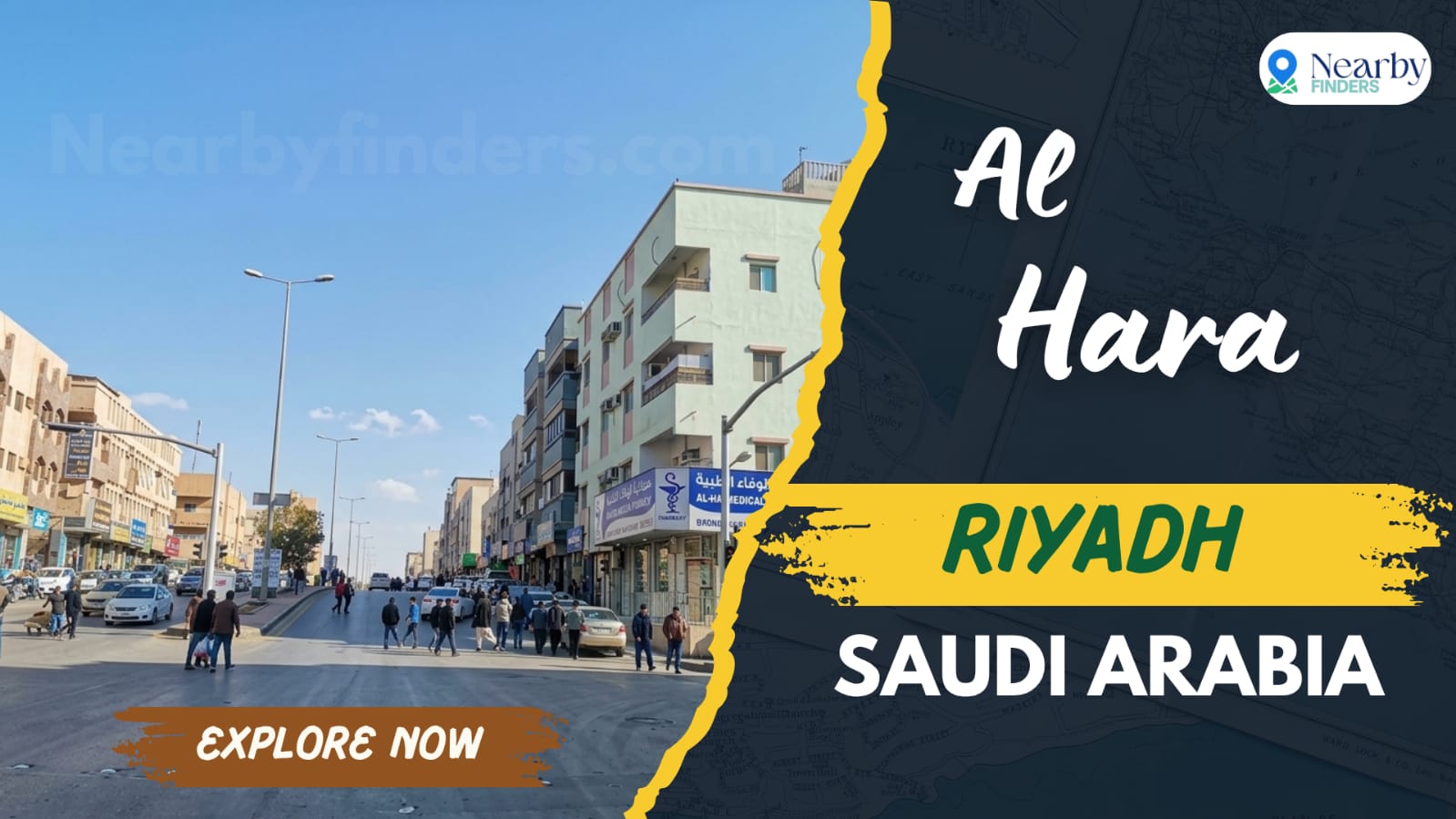
Al-Hara, also known as the Wizarat district, is one of the most vibrant and budget-friendly neighborhoods in Riyadh for international residents. The area is located close to the Ministry of Interior and borders districts like Al-Malaz, placing it firmly within Riyadh’s older central zone. While Al-Hara is ideal for bachelors and working professionals, it may not be the best choice for families seeking a quiet and spacious residential environment. It remains a popular choice for newcomers who want to keep their monthly costs within a reasonable range in 2026.
Specific Rent Details for Al-Hara
On average, a studio apartment in Al-Hara ranges between 1,200 to 1,800 SAR per month, while 2-bedroom units typically cost between 2,200 to 3,500 SAR. These prices vary based on building condition and proximity to busy commercial streets like Prince Faisal Bin Turki Street. If you are exploring economical residential areas, the apartments near the Wizarat markets offer great value. This district is an essential entry on any affordable Riyadh neighborhoods list for those looking to save on housing while staying near the city center.
Market Availability and Tenant Trends
The local rental market in Al-Hara is highly competitive due to the constant influx of international employees. While finding a flat can be difficult, the consistent availability of rooms and shared apartments makes it a sustainable choice. For professionals working in nearby government offices or central business hubs, these low-rent districts provide a functional living solution with all essential services within walking distance.
Pros: Why Hara is the Expat Favorite
• Huge concentration of authentic South Asian and international restaurants.
• Central location with easy access to Olaya, King Abdulaziz Road, and Salahuddin district.
• High density of affordable laundry services, grocery shops, and tailor stores.
• Active community life that helps newcomers integrate quickly into the city.
• Reliable availability of public transport, taxis, and ride-sharing services.
Cons: Practical Considerations
• Heavy traffic congestion and very narrow roads during peak evening hours.
• Finding a dedicated parking spot is extremely difficult for private car owners.
• Noise levels remain high until late at night due to constant commercial activity.
• Building maintenance in older infrastructure may require frequent attention.
Evaluating Al-Hara involves balancing social convenience against the urban hustle. For most bachelors, the financial and community benefits of living in one of these budget-friendly zones outweigh the lack of quietude, providing a lively lifestyle on a modest monthly budget.
Strategic Transit Access
The logistical setup of Al-Hara is a major benefit for newcomers in 2026. As a budget-friendly area near public transport, it features direct road links to King Fahd Road and the heart of old Riyadh. Taxis are available instantly, and the central location reduces the distance to major professional hubs, making it a strategic choice for daily commuters who do not own a car.
Maximizing Your Household Savings
Living in this district allows you to utilize various essential services at much lower costs than in northern Riyadh. Competition between local retail outlets keeps grocery bills manageable. With numerous health clinics catering specifically to the expat community, choosing Al-Hara ensures a sustainable way to live in the capital without sacrificing essential conveniences.
Expert Tips for Tenants and Students
Al-Hara is frequently listed among the cheapest areas in Riyadh for students. Shared apartments are widely available for those studying in city institutes. If you are planning to rent in Al-Hara, it is highly recommended to visit the area in the evening to fully understand the environment, traffic flow, and building conditions before finalizing any deal.
Legal Verification (Ejar)
Check the building's internet connectivity and utility meter readings before signing any lease agreement. Always ensure your contract is officially registered on the Ejar platform to protect your legal tenant rights. This proactive approach ensures your move to one of Riyadh's most cost-effective districts is safe, legal, and financially sound in 2026.
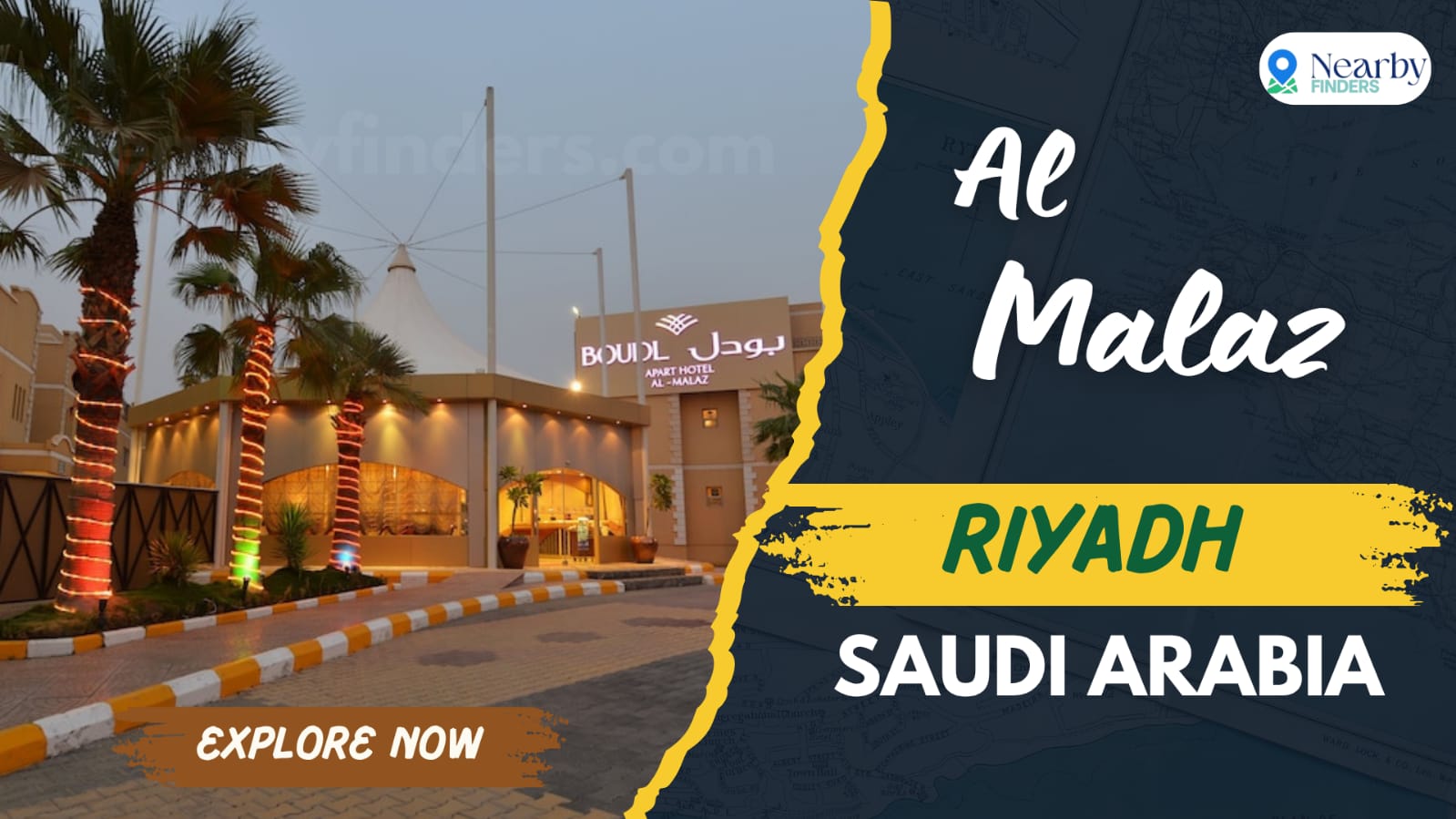
Al-Malaz is historically recognized as one of the most family-oriented residential areas in Riyadh. Known for its wide streets and the iconic Malaz Park, it offers a peaceful environment that is hard to find in the city’s more commercial cores. While Al-Malaz provides a great lifestyle for families, it is important to note that many properties are older and may lack the modern aesthetic of North Riyadh. It remains a top choice for those seeking a sustainable cost of living without sacrificing green spaces in 2026.
Specific Rent Details for Al-Malaz
Average rents in Al-Malaz reflect its status as an established family hub. A standard 2-bedroom apartment typically ranges from 2,500 to 3,800 SAR per month, while older 3-to-4 bedroom villas can be found between 4,500 to 7,000 SAR depending on their proximity to Jarir Street. If you are exploring economical zones for large families, the older sections of Malaz offer much better value than the newer compounds. This district is a critical part of an affordable Riyadh neighborhoods list for long-term expats who need extra square footage.
Building Styles and Market Trends
The rental market here is stable, with many buildings featuring large windows and traditional Saudi architecture. While newer "smart-home" units are rare, the functional layout of these low-rent family areas makes them ideal for professionals who want a quiet home life. Most apartments are within walking distance of local mosques and small community grocery stores (baqalas), ensuring daily convenience for stay-at-home parents.
Pros: Why Families Love This District
• Home to the massive Malaz Park (Prince Abdullah Bin Abdulaziz Park), perfect for weekend outings.
• Generally quieter and safer for children compared to the high-traffic zones of Batha or Hara.
• Proximity to established schools, hospitals like King Fahad Medical City, and sports stadiums.
• Wide roads and better availability of street parking for residents with private cars.
• Central location that borders major areas like Salahuddin and Al-Wizarat.
Cons: Practical Trade-offs
• Older buildings often require more attention to plumbing, wiring, and AC maintenance.
• Limited "trendy" nightlife or high-end shopping malls within the immediate vicinity.
• Traffic can still be heavy during soccer matches at the nearby Prince Faisal bin Fahd Stadium.
• Commuting to King Abdullah Financial District (KAFD) in the north can take 30-45 minutes in rush hour.
Choosing Al-Malaz means choosing a predictable and calm lifestyle. For families, the lower rent and access to greenery far outweigh the lack of modern aesthetics found in North Riyadh’s expensive suburbs.
Strategic Mobility and Highway Access
The logistical setup of Al-Malaz is a major benefit for newcomers. As a budget-friendly area near public transport routes, it features direct links to Makkah Al Mukarramah Road (Khurais Road) and Salahuddin Al Ayoubi Road. This makes it easy to navigate to the business corridors while living in a peaceful residential pocket.
Community Services and Everyday Savings
Living in Al-Malaz allows you to enjoy essential services without the "tourist" markups. The area is filled with local community markets and affordable retail chains. Competition keeps grocery prices stable, and the presence of numerous neighborhood health clinics makes it a sustainable choice for families managing a strict monthly budget.
Student Housing and Shared Options
While predominantly for families, Al-Malaz is also among the cheapest areas in Riyadh for students who prefer a quieter study environment. Shared villas and partitioned apartments are common, providing a budget-friendly alternative to dormitory living.
Finalizing Your Rental Deal
Always inspect the water tank and electrical panel before signing, as these are common issues in older villas. Ensure your contract is registered on Ejar to protect your legal rights. If you are moving to Al-Malaz, try to scout the area during the weekend to see how families utilize the local parks—it will give you the best sense of the community vibe.
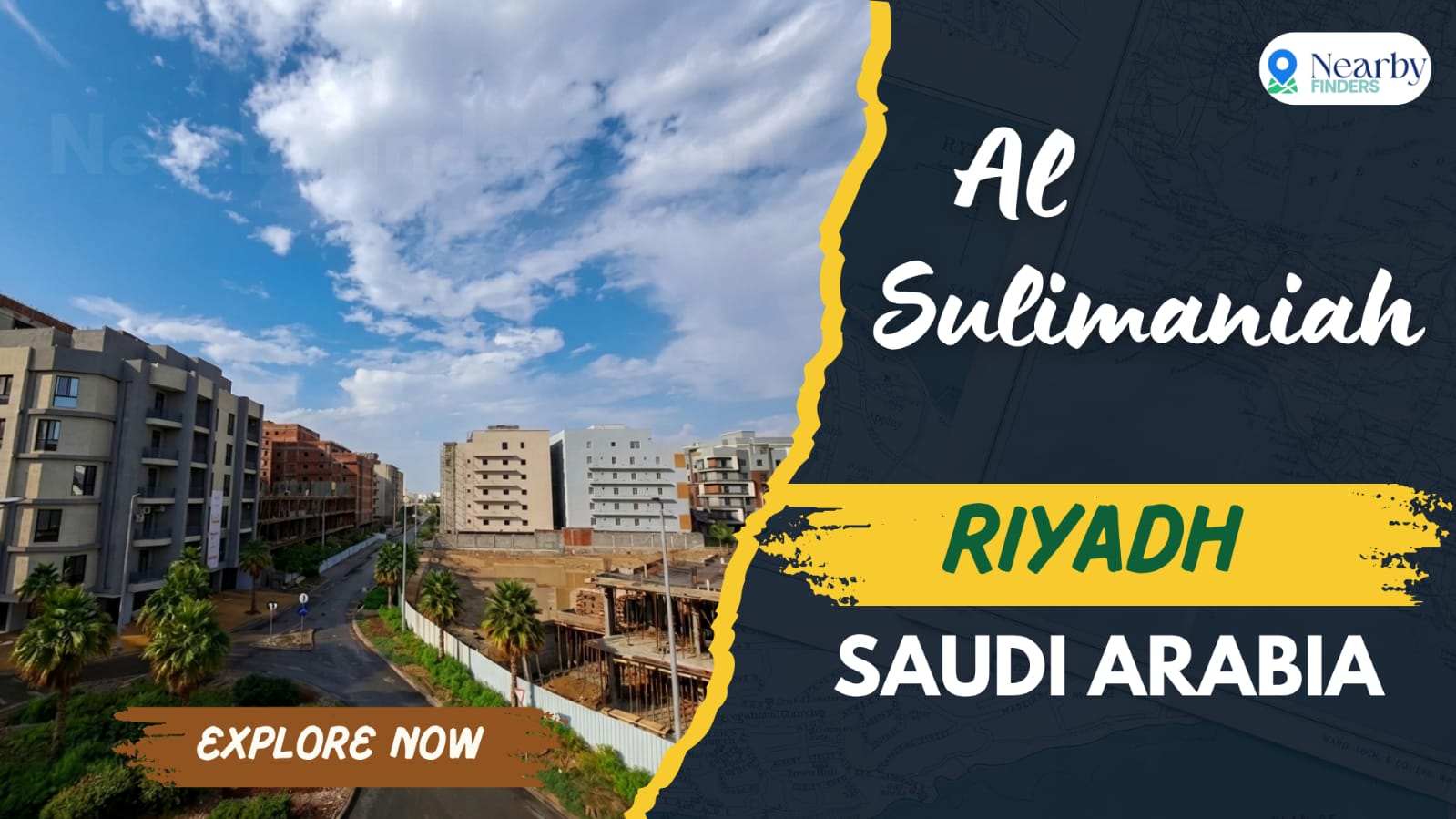
Al-Sulimaniah is strategically positioned as a premium yet accessible choice for working professionals in Riyadh. Located between King Fahd Road and the Military Hospital area, it offers an unbeatable balance of lifestyle and location. While it is often listed in budget-friendly zones, it is more accurately described as a high-value district where you pay for convenience and urban atmosphere. It remains a popular choice for newcomers who want to minimize their daily commute to the city's financial heart in 2026.
Specific Rent Details for Al-Sulimaniah
Rental prices in Al-Sulimaniah are higher than Batha or Hara but offer significantly better amenities. A studio apartment typically costs between 2,500 to 4,000 SAR per month, while 1-bedroom units range from 3,500 to 5,500 SAR depending on the building's age. If you are exploring economical residential areas near Tahlia Street, the inner streets of Sulimaniah provide the best value. This district is essential for any affordable Riyadh neighborhoods list that prioritizes quality of life and proximity to corporate offices.
Market Trends for Corporate Staff
The local rental market moves very fast. Because of its central status, budget-friendly units are snapped up within days of appearing on the market. For corporate employees, these low-rent districts near the city center offer a professional environment with well-maintained buildings and reliable utilities, making it a sustainable choice for those with a mid-range budget.
Pros: The Professional Edge
• Unmatched access to major commercial hubs, embassies, and financial districts.
• High concentration of trendy cafes and diverse international dining on Tahlia Street.
• Reliable infrastructure with generally better building maintenance than older southern areas.
• Strategic proximity to major medical centers like the Military Hospital.
• Safe and well-lit streets, making it perfect for late-night walks or grocery runs.
Cons: Practical Realities
• Higher baseline rent compared to other budget-friendly zones in the city.
• Significant traffic congestion during morning and afternoon office hours.
• Limited availability of free public parking; many residents rely on building-specific spots.
• The "affordable" units are often older and may require a thorough inspection before move-in.
Evaluating Al-Sulimaniah involves weighing the slightly higher cost against the massive time savings on daily travel. For most professionals, the convenience of living in one of Riyadh's most central budget-friendly zones is a trade-off well worth making.
Transit Access and Main Arteries
The logistical setup here is the gold standard for city living. As an affordable area near public transport, it features incredible links to Prince Mohammed Bin Abdulaziz Street. Taxis and ride-sharing services are available within minutes. This connectivity makes it one of the top choices for residents who want to be in the middle of everything without the extreme costs of North Riyadh.
Daily Services and Lifestyle Costs
Living in Al-Sulimaniah provides access to a mix of upscale and local services. While Tahlia Street offers premium dining, the inner streets are filled with affordable grocery stores and laundries. This allows residents to manage their monthly expenses by choosing where to splurge and where to save.
Securing the Best Value
If you are searching for the best rental deals, look for buildings located away from the main commercial strips. If you plan to rent in Al-Sulimaniah, it is highly recommended to check for building-provided parking, as street parking in this central zone is often unavailable.
Finalizing Your Agreement
Verify the air conditioning condition and internet speed before signing. Always ensure your contract is registered on the Ejar platform to protect your rights. This proactive approach ensures your move to one of Riyadh's most strategic districts is both safe and financially sound in 2026.
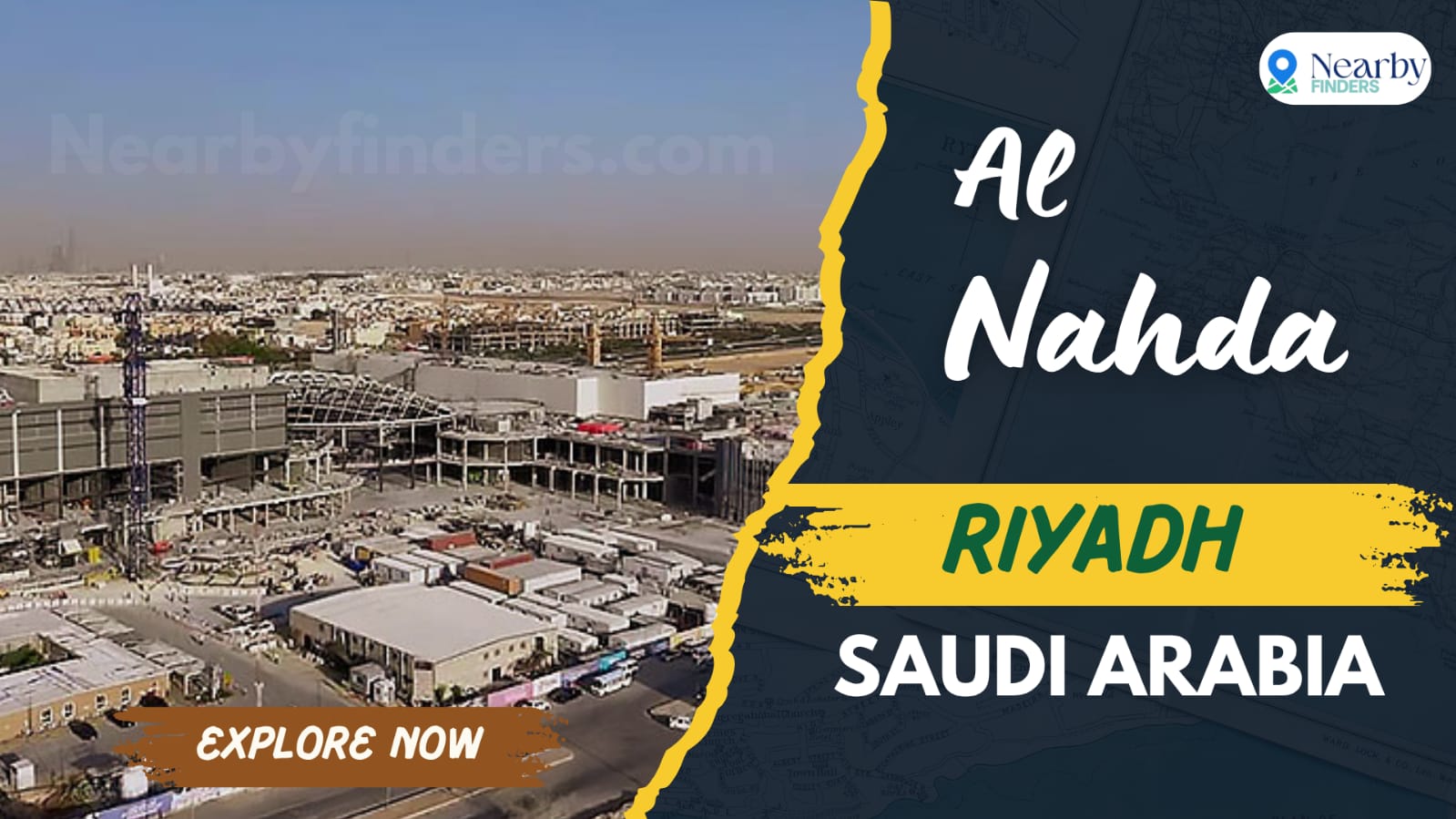
Al-Nahda is uniquely positioned as a calm, family-focused district in East Riyadh. Located away from the congested city center, it offers wide residential streets and a serene environment that is rare in more central areas. While it is an excellent choice for those seeking budget-friendly zones with a high quality of life, it requires a private vehicle for easy commuting. It remains a primary destination for long-term residents who prioritize peace and space over proximity to the financial district in 2026.
Specific Rent Details for Al-Nahda
In Al-Nahda, you get significantly more space for your money compared to Sulimaniah or Olaya. A 2-bedroom apartment typically costs between 2,200 to 3,200 SAR per month, while 3-to-4 bedroom family villas range from 4,000 to 6,500 SAR. These economical residential areas are perfect for larger families who need extra rooms without the premium price tag. For those searching for an affordable Riyadh neighborhoods list that includes detached houses, Nahda is a top contender.
Availability for Large Families
Unlike the cramped flats in the city core, Al-Nahda specializes in large, independent housing units. While newer developments are appearing, the established inner blocks offer the best value. This district is ideal for expats who want a sustainable cost of living while enjoying a villa-style lifestyle that feels like a quiet suburban retreat.
Pros: The Quiet Advantage
• Minimal traffic noise and clean air, providing a healthy environment for children.
• High availability of spacious villas with private parking and outdoor spaces.
• Proximity to major East Riyadh shopping malls like Khurais Mall and Al Othaim Mall.
• Well-organized streets with a strong sense of safety and neighborhood community.
• Perfect for remote workers who need a quiet home office away from the urban bustle.
Cons: Mobility Challenges
• Commuting to King Fahd Road or North Riyadh can take 40-50 minutes during rush hours.
• Public transport options are very limited; owning a car is almost a necessity here.
• Fewer walking-distance restaurants or cafes compared to central districts like Sulimaniah.
• The "nightlife" is non-existent as the area shuts down early for family privacy.
Living in Al-Nahda requires a trade-off between commute time and peace of mind. For families who value privacy and space, it is one of the best budget-friendly zones in the capital to establish a long-term home.
Highway Links and Daily Access
The logistical setup of Al-Nahda relies on its proximity to Khurais Road and Sheikh Jaber Al-Ahmad Al-Sabah Road. These arteries connect you to the rest of the city efficiently. While ride-sharing services are available, the area is designed for private vehicle owners, offering ample street parking that is often a nightmare in central Riyadh.
Local Services and Household Budgeting
Living in Al-Nahda allows you to benefit from the lower prices of East Riyadh’s markets. Large supermarkets and home furniture stores in the vicinity often offer better deals than central outlets. Choosing this district ensures a sustainable cost of living for families who prefer to manage their finances by cooking at home and enjoying local park life.
Choosing the Right Block
If you are searching for the best rental deals, look for villas that have been converted into multiple apartment units—these offer great value. If you plan to rent in Al-Nahda, prioritize buildings with good wall insulation, as the eastern part of the city can experience more extreme temperature shifts than the center.
Finalizing the Lease
Verify the water pressure and garden maintenance (if applicable) before signing your contract. Ensure all details are registered on the Ejar platform to protect your rights. This proactive approach ensures your move to one of Riyadh's quietest budget-friendly zones is safe and legally sound.
Finding an affordable apartment in Riyadh requires a mix of digital searching and old-school street scouting. In 2026, the market moves fast, and the best deals are rarely advertised for long. This professional roadmap will teach you how to navigate the local rental landscape like a pro, ensuring you secure a safe and budget-friendly home without falling into common expat traps.
Physical Scouting in Key Hubs
Physical scouting in areas like Al-Batha, Al-Hara, and Al-Malaz—especially near main arteries like King Fahd Road or Olaya Street—often gives access to the cheapest rental options that never make it to the internet. Look for "For Rent" (للإيجار) signs on building entrances along Jarir Street or the inner lanes of Wizarat. These signs usually include a phone number for the Haris (caretaker) or a local Aqar office nearby.
Using the Aqar App Effectively
Download the Aqar App and set your filters to Apartments and Rent. Focus your search on districts within 2-3km of the Riyadh Metro lines to save on future transport costs. While the app is great for price benchmarking, always visit the property in person before paying any booking fee. This hybrid approach ensures you find an affordable area near public transport while verifying the building condition yourself.
Your Rental Safety Checklist
• Absher Activation: You must have an active Absher account to accept the legal Ejar contract.
• Ejar Registration: Never sign a paper-only contract. It must be registered on the official Ejar platform.
• AC Inspection: Test the cooling power of the units; in Riyadh’s summer, a weak AC is a major liability.
• Water Billing: Clarify if water is included or if there is a shared/separate tank system for the building.
• Electricity Meter: Ensure the unit has its own dedicated meter to avoid paying for others' consumption.
• Parking Reality: Visit the street at 8 PM; if parking is impossible, it will affect your daily quality of life.
• Maintenance Terms: Confirm who pays for essential repairs like plumbing or electrical faults.
• Neighborhood Lighting: Ensure the walk from the parking or bus stop to your building is well-lit and safe.
• Kitchen Setup: Check if the kitchen is fitted (cabinets included) or if you need to buy them separately.
• Internet Reach: Check your 5G signal strength inside the apartment, as some older walls block reception.
Don't Get Fooled
• 1. Paying Before Viewing: Never transfer any deposit to see a flat. This is a common scam.
• 2. Cash-Only Requests: Be suspicious if an agent refuses to use official Ejar-linked payment methods.
• 3. Unlicensed Agents: Only deal with offices that have a Val License from the Real Estate Authority.
• 4. Fake Online Listings: If a luxury flat in Sulimaniah is listed at Batha prices, it’s a fake ad.
• 5. High Commission Fees: The legal commission is capped at 2.5%. Do not pay anything above this.
• 6. Previous Debts: Check the SADAD electricity account to ensure no old debts are pending.
• 7. Verbal Promises: If the landlord promises to paint the walls, get it done before you pay the rent.
• 8. Sub-Leasing Scams: Never pay a current tenant; always pay the building owner or their licensed agent.
• 9. Industrial Zones: Avoid residential units located too deep into the Sinaia (Industrial) areas due to pollution.
• 10. High Pressure: If an agent pressures you to sign without checking the papers, walk away.
Tactics for Better Rental Rates
Negotiation is standard in Riyadh's budget districts. One of the best ways to lower the rent is by offering one-time annual payment. Landlords often give a 5% to 10% discount for upfront payments. Additionally, showing your Work ID and proving you are a professional can make the landlord more flexible, as they prefer stable, long-term tenants in areas like Al-Nahda and Al-Malaz.
Final Expert Tip for 2026
Always keep your Ejar contract active. It is not just a rental agreement; it is your proof of residence for bank accounts, internet installation, and family visas. Living in one of Riyadh’s top affordable districts is a great way to save money, provided you protect your legal rights from day one.
Analyzing the cost of living in Riyadh is a critical step for anyone planning a move to Saudi Arabia in 2026. Finding a cheap area in Riyadh requires a deep understanding of how utility bills and transport impact daily expenses beyond monthly rent. While central prices in districts like Olaya or near King Fahd Road have reached premium levels, Riyadh still offers several high-value zones for budget-conscious residents. Knowing the precise cost of groceries, fuel, and water is vital for maintaining a sustainable lifestyle in this dynamic city.
2026 Rental Market Breakdown
In the current market, a standard studio apartment in areas like Al-Hara or Al-Malaz costs between 1,500 and 2,500 SAR per month. For families seeking more space, a 2-bedroom apartment typically ranges from 2,800 to 4,000 SAR. Beyond the base rent, you should account for building maintenance fees, often called the Haris fee, which might add 500 to 1,000 SAR to your annual total. Most landlords prefer payments in two installments per year, so saving for these six-month blocks is essential.
Finding value often means looking at older but well-maintained buildings in districts such as Al-Wizarat or peripheral parts of Al-Sulimaniah. These locations provide lower rental rates while keeping you close to the city center. Always check if the water bill is fixed or metered, as this can vary significantly between different building managements.
2026 Essential Item Prices
Grocery shopping at hypermarkets like Lulu, Panda, or Al-Othaim is the most common way to manage food costs. For 2026, a standard bundle of local bread is 1.15 SAR, while one liter of fresh milk is around 7 SAR. A dozen eggs will typically cost 9 to 11 SAR. If you shop at local markets like the Batha Souq for fresh vegetables and fruits, you can save up to 25 percent compared to high-end convenience stores.
For a single professional, a monthly grocery budget of 800 to 1,200 SAR is usually sufficient for a healthy diet including meat and fresh produce. Dining out at local cafeterias remains affordable, with a standard Shawarma or Kabsa meal costing between 15 and 30 SAR. By balancing home-cooked meals with local eateries, you can keep your food expenses very manageable.
Monthly Bills and Commuting Costs
Utility bills are a major factor during the Riyadh summer. For a typical apartment, electricity bills can range from 200 SAR in winter to over 600 SAR in the peak of summer due to constant air conditioning. High-speed fiber internet plans from providers like STC or Mobily start at approximately 250 SAR per month, while mobile data plans for daily use are around 120 SAR.
Transportation costs have become more predictable with the expansion of the Riyadh Bus and Metro networks. A monthly bus pass costs about 140 SAR, which is a great way to save on fuel and parking. If you drive a private car, expect to spend 400 to 700 SAR per month on petrol depending on your commute distance. Combining these costs, a single person can live comfortably in a budget-friendly area for a total monthly expenditure of approximately 4,500 to 5,500 SAR.
Riyadh generally maintains a low crime rate compared to many global cities, especially in established residential districts. However, when moving to the Saudi capital in 2026, it is important to have a realistic understanding of the safety landscape. While serious crime is rare, busy commercial hubs can feel overwhelming to newcomers due to high foot traffic. Finding a secure and affordable area involves looking for neighborhoods that balance budget-friendly rent with active community presence and well-lit streets.
2026 Security Overview in Residential Zones
Residential districts such as Al-Malaz, particularly the blocks near King Abdulaziz Road, are widely considered safe for families and feature a strong presence of local community centers. Similarly, Al-Nahda in eastern Riyadh, situated near major highways like Khurais Road, offers a peaceful environment with minimal through-traffic. While these areas are secure, busy trade hubs like Al-Batha and Al-Hara can feel crowded and noisy during weekend evenings. While not unsafe, these central pockets require more awareness of your surroundings simply due to the sheer volume of people.
Local police patrols are a common sight along main arteries like King Fahd Road and Olaya Street, ensuring that even the more affordable pockets of the city remain orderly. For those searching for a low-cost place to live, choosing a building within walking distance of a local mosque or a well-lit supermarket often provides an added layer of community security. Riyadh’s social fabric is built on mutual respect, which remains the strongest deterrent against petty crime in the city.
Practical Security for Newcomers
In 2026, the primary safety concern for expats shifted from physical security to digital and financial vigilance. It is essential to manage all rental agreements through the official Ejar portal and verify residency details via the Absher app. Be cautious of unsolicited rental offers on social media that seem too good to be true, especially for properties in high-demand areas. Sticking to licensed real estate offices with a visible physical presence in the neighborhood is the best way to ensure your financial safety.
For immediate assistance, the national emergency number 999 is responsive and professional. Most new residential buildings in affordable zones are now equipped with basic CCTV in entryways, and the overall digital monitoring of the city’s public spaces has increased. This infrastructure, combined with the respectful nature of the local culture, makes Riyadh a reliable choice for international residents seeking a secure environment.
Safe Transit After Hours
Public transportation, including the Riyadh Bus network and the Metro, is highly regulated and monitored, making it a safe choice for those living in peripheral affordable districts. Stations are generally well-lit and feature visible security staff. If you are walking at night in older districts like Al-Wizarat, you will find that the streets remain active until late hours with families and local businesses, which contributes to a feeling of collective safety.
Ultimately, your experience in Riyadh will be shaped by your choice of neighborhood and your adherence to local laws. By staying informed about which streets are better lit and which hubs are more crowded, you can navigate the city with confidence. Riyadh remains a beacon of stability in the region, providing a secure foundation for those looking to build a career and a home in the heart of Saudi Arabia.
Common Questions: Living in Cheap Areas in Riyadh (2026)
Rising rents in northern Riyadh have pushed many expats toward smarter, budget-friendly districts in the south and east. Here is a data-backed look at the current Riyadh housing market for 2026.
| Economical Zone | Avg. Rent (Annual) | Monthly Equivalent | Unit Type |
|---|---|---|---|
| Al-Batha / Hara | SAR 12,000 – 18,000 | SAR 1,000 – 1,500 | Studio / 1BHK |
| Al-Nahda / Malaz | SAR 22,000 – 30,000 | SAR 1,850 – 2,500 | 2BHK Family Flat |
1. Which districts are officially the cheapest apartments in Riyadh for 2026?
Al-Batha and Al-Hara remain the leading low-cost districts in Riyadh for 2026. These southern zones cater to a high density of residents, offering compact housing starting as low as SAR 12,000 annually. For those prioritizing survival on a budget, these areas provide the most economical entry point into the capital city's residential market.
2. Which affordable living zones offer the best connectivity to business districts?
If you work in Olaya or King Abdullah Financial District (KAFD), the most strategic budget housing in Riyadh is found in Al-Wizarat or Al-Murabba. These districts sit at the intersection of major roads like King Fahd Road, allowing you to bypass heavy traffic while paying significantly less than the premium rates found in northern neighborhoods.
3. Are there safe and budget-friendly areas in Riyadh for families?
Yes, Al-Nahda and Al-Malaz are top-rated for expat living in Riyadh. Al-Nahda, located in the east, offers a peaceful environment with 2BHK family flats starting around SAR 22,000. These areas are well-served by local schools and public clinics, making them a sustainable choice for those who need a family-oriented lifestyle without the northern price tag.
4. What is the estimated cost of living in Riyadh 2026 for a single professional?
For a single professional living in low-cost districts in Riyadh, the total monthly expenses usually fall between SAR 3,000 and 4,500. This includes approximately SAR 1,500 for rent, SAR 400 for electricity and water, and the remainder for groceries and transport. Utilizing the Riyadh Bus network can further reduce this monthly cost.
5. Why is a verified Ejar contract vital for affordable housing zones?
An official Ejar contract is legally required for all residential rentals in Saudi Arabia. In 2026, this digital documentation is essential for maintaining your legal status, as it is needed to process bank accounts and family visas. It also protects you from arbitrary rent prices in Riyadh, ensuring your landlord cannot raise rates without legal justification.
6. How much can I save by using public transport in these areas?
By living near a Riyadh Bus station in districts like Al-Hara, you can save roughly SAR 800–1,200 per month on vehicle maintenance and fuel. A monthly transit pass costs just SAR 140, making it an incredibly cost-effective option for residents in affordable living zones who need to commute across the city daily.
7. Where can students find the most economical areas for shared housing?
Students typically gravitate towards Al-Hara and Al-Batha because they offer the largest concentration of shared housing options. Rent for a shared room in these economical areas often falls between SAR 600 and 900 per month, providing a high level of convenience for those studying at nearby institutions or central language centers.
8. What is the standard real estate commission for rent in Riyadh?
The legal commission for licensed real estate offices is capped at 2.5% of the total annual rent. When exploring cheap areas in Riyadh, always ensure the office is registered through the Ejar system to avoid paying unauthorized service fees or management charges that are common in informal rental markets.
9. Is it safe to live in the more crowded southern districts of Riyadh?
Southern Riyadh is generally safe and bustling with commercial life. While neighborhoods like Al-Batha are densely populated, the high level of foot traffic and late-night commercial activity ensures a safe environment. Staying on well-lit main roads and being aware of local customs is standard practice for comfortable living in these zones.
10. How can I negotiate better rent prices in Riyadh for 2026?
Negotiation remains a key part of the Riyadh housing market. Landlords in budget-friendly districts are often willing to provide a 5–10% discount if you offer to pay the entire annual rent in one installment. This "single payment" strategy is the most effective way to lock in the lowest possible rate for the year.
Strategic Insight: If your monthly budget for housing is under SAR 3,000, focusing on the southern and eastern belts of the capital can save you thousands yearly while keeping you connected via the Riyadh Bus network.
Final Verdict: Which Cheap Areas in Riyadh Fit Your 2026 Budget?
Rising rents in northern Riyadh have pushed many expats toward smarter, low-cost neighborhoods in the older parts of the city. For 2026, finding a home is no longer just about the price tag; it is about balancing commute times and local facilities. While northern suburbs offer luxury, economical districts like Al-Hara and Al-Batha remain the strongest contenders for those prioritizing absolute savings. These areas often feature older buildings, sometimes without elevators, but they provide unparalleled access to local wholesale markets and affordable eateries.
Riyadh Neighborhood Comparison: Rent vs. Lifestyle
| District | Avg. 2BHK Rent (SAR) | Commute Value | Best Feature |
|---|---|---|---|
| Al-Batha / Hara | 14,000 – 19,000 | High (Bus Hubs) | Expat-heavy, Low Costs |
| Al-Nahda | 22,000 – 32,000 | Medium (Khurais Rd) | Family Parks, Safety |
| Al-Wizarat | 18,000 – 26,000 | High (Central) | Near Olaya Business Hub |
| Al-Malaz (Edge) | 20,000 – 30,000 | Medium-High | Quiet, Well-maintained |
Real-World Living Insight:
In trade-heavy hubs like Al-Batha, budget housing options often mean living in vibrant, high-traffic areas. While a single studio can be found for as low as SAR 1,000 monthly, always check for parking availability as older blocks can be very congested. For families, choosing Al-Nahda or Al-Malaz provides a better balance, with many apartments located within walking distance of local masjids, clinics, and Indian/Pakistani schools.
Conclusion: Securing Your Future in the Capital
Riyadh is a city of vast contrasts, and securing affordable rent in 2026 is very possible if you stay informed and flexible with your location. By monitoring official platforms like Ejar and performing physical street-level scouting on well-lit main roads, you can find a residence that supports your financial goals without compromising on basic safety. Ultimately, your journey in Saudi Arabia is about long-term sustainability—picking a neighborhood that allows you to save on rent while staying connected to your workplace is the smartest move you can make today.