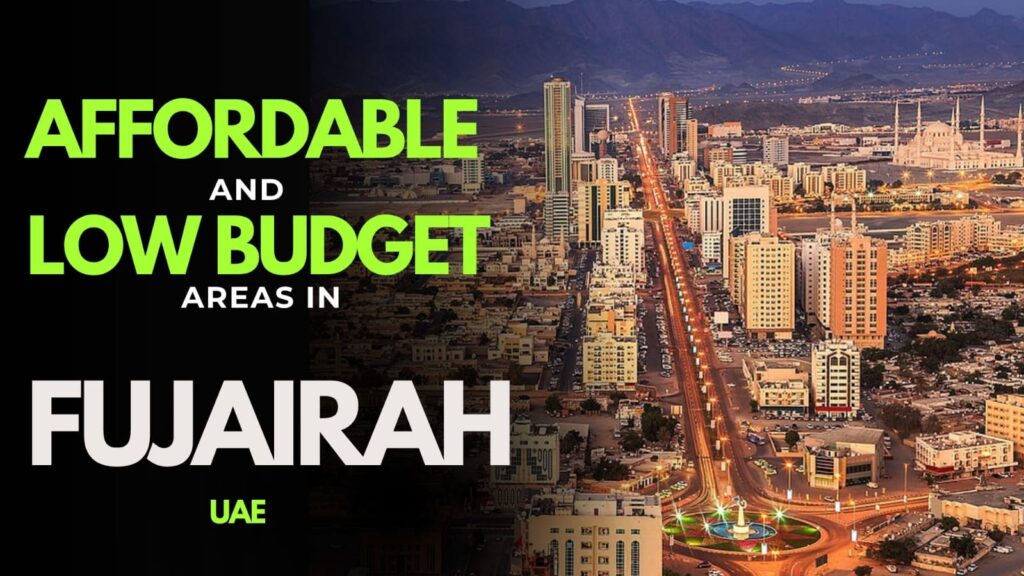
Living in International City Dubai (2026): The Complete Area Guide
International City consistently ranks as the single cheapest place to rent in Dubai — studios from as little as AED 25,000-38,000/year, roughly half of even Deira’s lowest legacy rates. This guide covers the country-themed cluster system, why there’s no direct Metro station, real rent numbers, and who this area genuinely suits versus who it doesn’t.
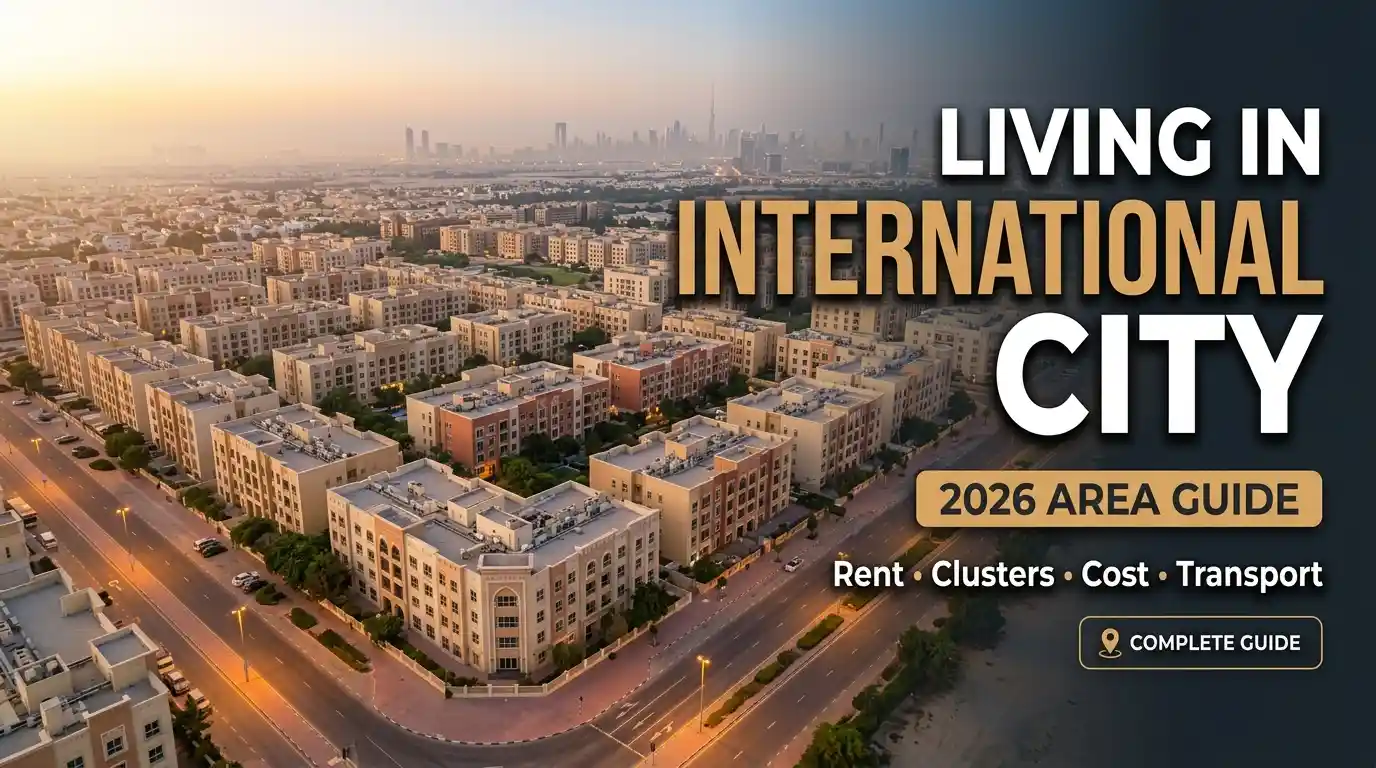
The thing that catches most newcomers off guard about International City isn’t the rent — it’s the cluster naming system. Buildings here are grouped by country theme (Russia Cluster, China Cluster, Persia Cluster, and others), each styled loosely after that country’s architecture, and almost nobody explains this before someone shows up looking for “England Cluster” on a map that only shows country names, not street addresses in the format they’re used to. Once you know your cluster, everything else about navigating the area gets much easier.
Overview: Dubai’s Budget Benchmark
International City sits in the southeast of Dubai, developed as a large-scale affordable residential community and, for years, the go-to reference point every “cheapest area in Dubai” article measures against. It’s a designated freehold zone, so foreign ownership is genuinely available here at some of the lowest entry prices in the city, which keeps it consistently popular with both budget renters and first-time property investors.
Who International City Actually Suits
The Country-Themed Cluster System
International City is organized into distinctly named clusters — Russia Cluster, China Cluster, Persia Cluster, Emirates Cluster, England Cluster, Morocco Cluster, and others — each built with architectural details loosely themed after that country. This is a genuinely unique naming system compared to every other area in this series, and it takes newcomers real time to internalize which cluster is where relative to the others.
Rent by Unit Size (2026 Estimates)
| Unit Type | Annual Rent (AED) |
|---|---|
| Studio | 25,000–38,000 |
| 1-Bedroom | 38,000–50,000 |
| 2-Bedroom | 50,000–65,000 |
For the full tenancy process, deposit, and Ejari steps, see our Rent in Dubai guide and Ejari Registration guide.
Cost of Living in International City
| Category | Single (AED/mo) |
|---|---|
| Rent (studio) | 2,100–3,200 |
| DEWA + Utilities | 300–550 |
| Groceries & Food | 800–1,500 |
| Transport (car/feeder bus + ride-hailing) | 800–1,500 |
Transport in International City
International City has no direct Metro station, unlike Discovery Gardens or Deira — residents typically rely on feeder buses connecting to the nearest Metro line, a personal car, or regular ride-hailing. For full Nol card fares and bus route planning, see our Public Transport in Dubai.
Dragon Mart & Local Amenities
Dragon Mart, a large wholesale and retail complex specializing in imported goods, home items, and electronics, sits directly adjacent to International City and functions as the community’s main shopping hub alongside several smaller supermarkets and retail outlets scattered across the clusters.
Pros & Cons of Living in International City
Common Mistakes When Choosing a Building
Frequently Asked Questions
Yes — it consistently ranks as the single most affordable residential area, with studios commonly available from AED 25,000–38,000/year.
Country-themed clusters (Russia, China, Persia, Emirates, and others), each with its own architectural styling.
No — residents typically rely on feeder buses, a car, or ride-hailing.
A studio commonly runs AED 25,000–38,000/year, a 1-bedroom AED 38,000–50,000/year, and a 2-bedroom AED 50,000–65,000/year.
A large wholesale and retail complex adjacent to International City specializing in imported goods and electronics.
Yes — allowing foreign nationals full outright property ownership.
It works for budget-conscious families comfortable with a car-dependent lifestyle, though it’s more commonly associated with singles and shared accommodation.
Roughly 25–35 minutes by car to Downtown or Business Bay outside peak traffic.
It varies by cluster and building age — an in-person viewing is genuinely important before signing.
A large share of South Asian and budget-conscious residents, alongside investors targeting affordable entry-level property prices.
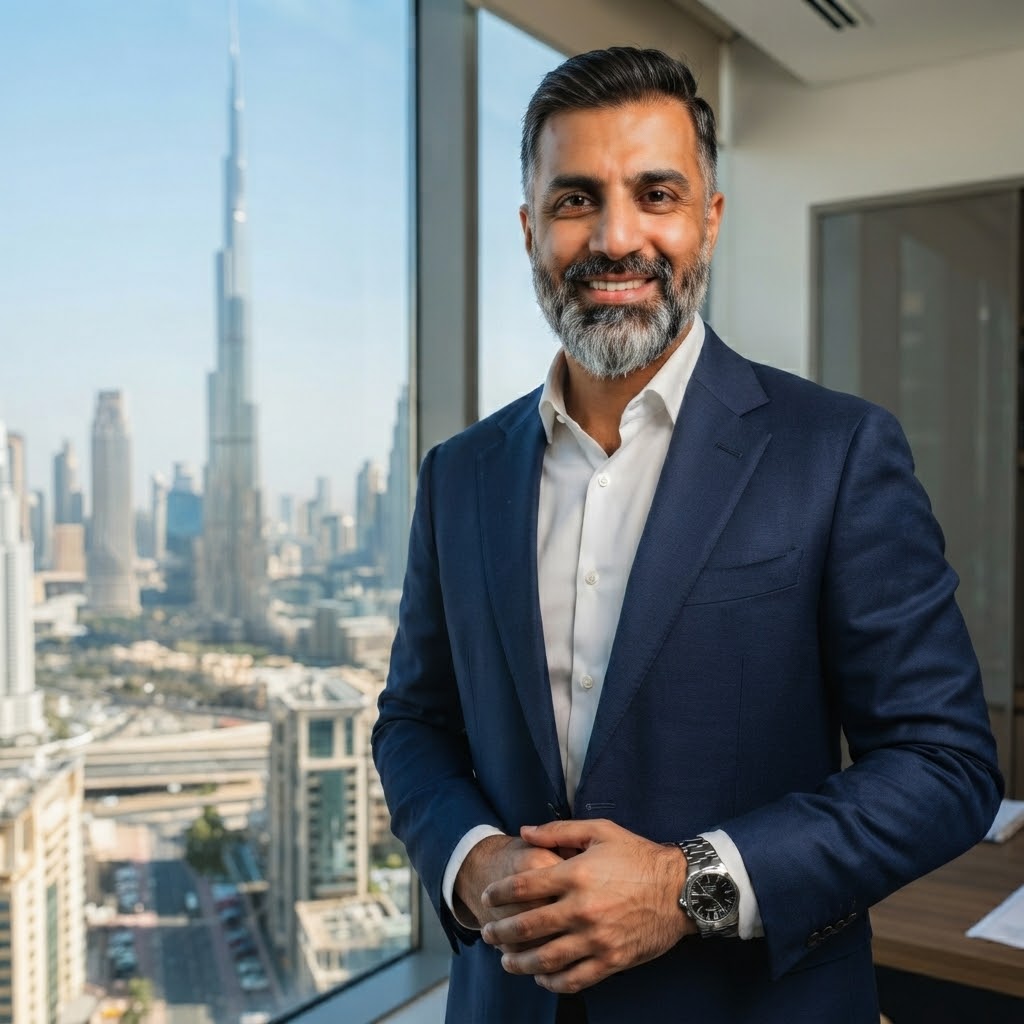
Written & Reviewed by Asad Bukhari
Asad moved to Dubai over 20 years ago to work as a newspaper reporter covering city and relocation news, and has been reporting on the city ever since. Over the years he expanded that first-hand knowledge of Dubai’s neighbourhoods and relocation process into his own real estate business, which he still runs today. This guide draws on both his journalism background and his hands-on property experience.