Budget-Friendly Areas in Riviera Nayarit | San Pancho Living Guide
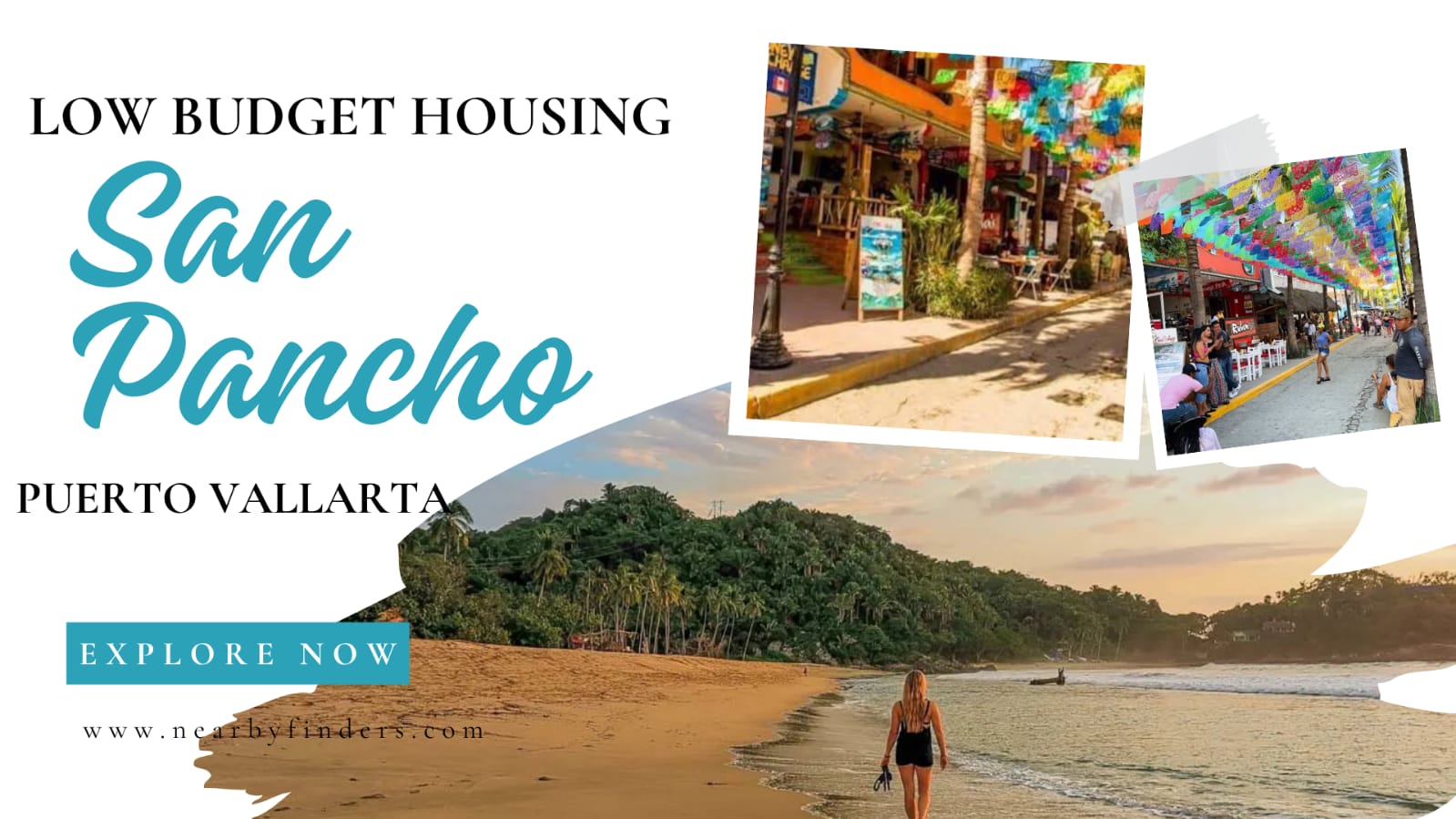
Bohemian Living on a Sustainable Budget
San Pancho offers a distinct lodging experience that favors charm and community over corporate luxury. For the budget traveler in 2026, the strategy is to look beyond the main beachfront and explore the residential streets deeper into the village. Here, you can find traditional Mexican casitas and modern studio apartments that offer significant savings compared to the high-turnover rentals in neighboring towns. San Pancho is small enough that even the “outskirts” are only a 10-minute walk from the beach. By choosing a stay slightly further from the ocean, you gain a quieter environment, a more authentic neighborly feel, and a price point that allows for much longer residencies.
The Logistics of Long-Term Stays
San Pancho’s rental market relies heavily on personal connections and local boards. While Airbnb exists, the best value is found through direct negotiation with local owners or by checking physical “For Rent” (Se Renta) signs during a walking tour of the town. For digital nomads, verifying internet stability is crucial, as the jungle environment can occasionally impact connectivity; however, many newer rentals now offer Starlink or dedicated fiber. Look for homes that include outdoor spaces like palapas or patios, as these act as additional living rooms in the coastal climate. Always clarify if water and electricity are included, and try to book during the shoulder seasons to secure the most competitive monthly rates.
Strategic Location: Village vs. Jungle Edge
Choosing between the town center and the jungle edge depends on your mobility. The town center provides immediate access to ‘comida corridas’ and the market, while the jungle edge offers more space and tranquility at a lower cost. If you stay on the periphery, renting a bicycle or a golf cart can be a worthy investment, though walking remains the most budget-friendly option. This area is exceptionally safe and family-oriented, making evening strolls back to your accommodation a pleasant part of the daily routine. Focusing on properties that are well-integrated into the local grid ensures you stay connected to the village’s pulse while maintaining a private, affordable sanctuary.
10 Specialized Pro Tips for San Pancho Lodging
- Walk the Streets: Spend your first two days in a hostel while you scout for physical “Se Renta” signs; this is how the best deals are found.
- Connectivity Check: Always ask for a speed test if you are working remotely; Starlink is the new standard in this area.
- Off-Season Advantage: Prices drop significantly from May to October; use this time for long-term stays if you can handle the humidity.
- Water Systems: Confirm if the house has a ‘tinaco’ (water tank) to ensure consistent water pressure during peak hours.
- Mosquito Prep: Ensure your rental has high-quality screens; San Pancho is lush, and insects are part of the ecosystem.
- Kitchen Essentials: Choose a place with a full kitchen to save on food costs; the local market produce is too good to skip.
- Noise Awareness: Avoid staying directly on the main avenue (Tercer Mundo) if you are a light sleeper or work during the day.
- Community Groups: Join the ‘San Pancho Community’ Facebook groups to see rental postings before they hit the open market.
- Laundry Services: Check if your rental has a machine, otherwise locate the nearest ‘Lavandería’ to factor into your weekly budget.
- Deposit Safety: Never send money via wire transfer to someone you haven’t met; always verify the property in person first.
Compassionate Care in a Bohemian Coastal Village
San Pancho is a sanctuary for pet lovers, known for its high population of well-cared-for rescue dogs and a community that treats animals as family. In 2026, while the village maintains its small-town charm, the veterinary services have become remarkably sophisticated to cater to the growing expat and nomad population. However, because San Pancho is smaller than Puerto Vallarta, some specialized surgeries may require a short trip to nearby Sayulita or Bucerías. The local clinics are deeply integrated into the community, often working alongside rescue organizations. For a budget traveler with a pet, these clinics offer fair pricing and a personal touch that you won’t find in larger cities. Ensuring your pet is protected from tropical parasites and the Pacific heat is the primary focus of veterinary care in this lush jungle environment.
Recommended Pet Clinics
| Clinic Name | Contact / Location | Key Specialties |
|---|---|---|
| Veterinaria San Pancho | Main Village Area Ph: +52 322 135 0000 |
General Medicine, Sterilization, Vaccinations, Tropical Disease Prevention |
| Sayulita Animal Hospital (Nearby 24/7) | 10 Mins South Ph: +52 322 111 2222 |
24-Hour Emergency, Advanced Surgery, X-Rays, Hospitalization |
| Dr. Pip’s Veterinary Services | Mobile/San Pancho Ph: +52 322 150 3333 |
Home Visits, Holistic Care, Preventive Consultations, Lab Tests |
Why These Clinics are Recommended
The clinics listed are recommended for their deep understanding of the Nayarit climate and their English-speaking capabilities. Veterinaria San Pancho is the heart of the village for routine care, while Sayulita Animal Hospital is the critical 24-hour backup for any major emergencies that occur after hours. I highly recommend Dr. Pip for home visits if your pet is easily stressed by clinic environments. The veterinary community here is small, so doctors often collaborate. Always keep your pet’s digital records updated and shared with these providers. In a jungle-meets-ocean setting like San Pancho, having a proactive relationship with a local vet is the best way to ensure your pet thrives alongside you.
10 Specialized Pro Tips for Pet Owners in San Pancho
- Tick/Flea Rigor: Nayarit’s jungle is high-risk; use veterinarian-grade oral preventatives rather than just collars.
- Beach Awareness: Avoid the beach during the hottest hours; sand can cause severe burns to paws and lead to heatstroke.
- Rescue Community: Support ‘San Pancho Animales’; they are a great resource for local pet advice and community events.
- Water Safety: Ensure your pet only drinks purified water; jungle bacteria in puddles can lead to severe stomach issues.
- Leash Etiquette: While many dogs are off-leash, keep yours on a leash in town to prevent conflicts with local street dogs.
- Toad Warning: During the rainy season, watch for ‘Cane Toads’ which are toxic if licked or bitten by dogs.
- Mobile Vet: Save a mobile vet’s number in your phone immediately; in a small town, home visits are sometimes faster.
- Emergency Transport: Identify a local taxi driver who is pet-friendly and keep their number for emergency trips to Sayulita.
- Humidity Care: Keep pets in air-conditioned or well-ventilated areas during the peak humidity of the afternoon.
- Record Keeping: Store your pet’s rabies certificate and health records in a waterproof sleeve or digital cloud.
Sourcing Like a Local in the Cultural Capital of Nayarit
Grocery shopping in San Pancho is a far cry from the sterile aisles of a city supermarket; it is an immersive community experience that requires a strategic approach. In 2026, the village remains committed to its “local-first” philosophy, meaning you won’t find large commercial chains here. For budget travelers and long-term residents, the secret to maintaining a low cost of living is understanding the “village rhythm.” Locals know that the best produce doesn’t sit on a shelf—it moves through the Tuesday market, the small family-run ‘fruterías’, and the back of local pickup trucks. Mastering this decentralized system is the mark of a true resident and the most effective way to source premium, organic nutrition at a fraction of the cost found in neighboring tourist hubs like Sayulita.
The ‘Tuesday Market’ Strategy and Organic Co-ops
The ‘Mercado del Sol’ (Tuesday Market) is the undisputed center of San Pancho’s food culture. While it attracts tourists, locals use it as their primary sourcing point for the entire week. A pro insider tip: arriving at the market around 1:30 PM, just as vendors are preparing to pack up, often yields significant discounts as they prefer to sell their remaining stock rather than transport it back to their farms. Beyond the market, San Pancho is home to small organic co-ops where you can find bulk grains, locally made almond butter, and artisan kombucha. These spots might seem more expensive initially, but their high-density nutrition and bulk options for dry staples like lentils and beans actually reduce your long-term spending compared to buying smaller, processed packages from convenience stores.
Protein Sourcing: The Pescadería and the Carnicería
For protein, locals rely on a dedicated system that bypasses the supermarket markup. The village ‘pescadería’ is where the morning’s catch from the Pacific is sold. To get the best prices and the freshest Mahi-Mahi or Red Snapper, you must arrive before 10:00 AM. If you wait until the afternoon, you are often buying what’s left over at higher ‘tourist prices.’ Similarly, the local ‘carnicería’ offers high-quality meat that is significantly cheaper if you know what to ask for—requesting ‘tasajo’ or local ‘chorizo’ provides excellent protein options for a fraction of the price of premium cuts. For eggs, look for signs that say ‘Huevos de Rancho’ (ranch eggs) in small residential windows; these are often cheaper and far more flavorful than the industrial eggs found in the mini-supers.
The Hidden ‘Truck Economy’ and Bulk Runs
One of the best-kept secrets among San Pancho locals is the ‘Truck Economy.’ Throughout the week, trucks from larger agricultural zones drive through the residential streets (back towards the jungle) selling massive quantities of avocados, pineapples, or watermelons directly from their beds. These prices are unbeatable. Listen for the loudspeakers or look for trucks parked near the neighborhood soccer field. For non-perishables like coffee, olive oil, and household cleaners, most savvy residents do a monthly ‘bulk run’ to Bucerías or Puerto Vallarta via the Compostela bus. By stocking up on heavy dry goods elsewhere and focusing your local budget on fresh produce and proteins, you can live a high-end coastal lifestyle on a very modest budget.
10 Specialized Pro Tips for San Pancho Market Sourcing
- The Golden Hour Discount: Visit the Tuesday Market (Mercado del Sol) after 1:00 PM for the best ‘end-of-day’ price drops.
- Truck Alerts: If you hear a loudspeaker on a pickup truck, it’s likely selling fresh fruit or garrafones; run out and flag them down for direct-from-source prices.
- Huevos de Rancho: Look for small handwritten signs in residential windows for the freshest and cheapest ranch eggs in the village.
- The Bucerías Loop: Once a month, take the bus to Bucerías for bulk dry goods to save up to 30% compared to San Pancho mini-supers.
- Seafood Timing: Establish a relationship with the pescadería staff; they will often tell you which day the ‘best catch’ is expected.
- Garrafón Swap: Never buy small water bottles; the 20L ‘garrafón’ swap is available at almost every corner store for a few pesos.
- Avoid ‘Imported’ Aisles: Anything that says ‘Imported’ in the mini-super will have a 50% markup; stick to Mexican brands for the same quality.
- Reusable Bags: San Pancho is strictly eco-conscious; bring your own bags to avoid the ‘plastic tax’ or the awkwardness of having no bag.
- Seasonal Knowledge: Mango season (May-July) means you should never pay for them—many neighbors have trees and will share or sell for pennies.
- Cash is King: Always use small bills (20s and 50s) at local markets; vendors often ‘run out of change’ for larger bills.
Slow-Paced Coastal Transport: A Local Perspective
San Pancho is a charming coastal village where slow living defines the experience. In 2026, transportation here remains refreshingly simple and budget-friendly. The town is compact enough that you rarely need a car or any motorized vehicle. Avenida Tercer Mundo, the main road, connects the entire village directly to the beach, making navigation easy even for first-time visitors. For budget travelers and digital nomads, this is a major advantage—everything is within walking distance. Unlike larger tourist cities, San Pancho does not have an internal bus system because it simply isn’t needed. Walking is part of the local lifestyle, and it’s also the best way to keep your daily expenses close to zero while fully experiencing the village vibe.
Regional Connectivity: The Reliable ‘Compostela’ Bus System
If you plan to explore nearby destinations like Sayulita, Bucerías, or Puerto Vallarta, the green-and-white ‘Compostela’ buses are your most reliable and affordable option. These buses operate along Highway 200 (Carretera 200) and connect all major coastal towns in the region. Insider tip: Instead of waiting at random stops, head to the ‘crucero’ (highway junction), where buses are easier to catch and more frequent. Always carry small denominations like 10 and 20 peso coins, as drivers often don’t have change. Compared to taxis or private shuttles, this system can save you up to 70–80% on transportation costs. Long-term visitors and locals heavily rely on these buses to keep their travel budget low.
Cycling and Golf Carts: Eco-Friendly Ways to Explore
If you’re staying near the jungle edge or planning grocery runs, bicycles are one of the smartest transportation choices in San Pancho. While golf carts are becoming more popular among tourists, they are significantly more expensive and less practical for long-term use. Renting or buying a simple cruiser bike is a cost-effective and sustainable alternative. Many local shops offer affordable monthly rentals, making it ideal for extended stays. However, be cautious when riding on cobblestone streets, especially during the rainy season when roads can become slippery. Cycling gives you the freedom to explore hidden streets without worrying about parking or traffic.
Taxis and Smart Carpooling Strategies
Taxis in San Pancho operate under a local union system, which means fixed pricing is generally applied. While taxis are the most convenient option for airport transfers, they can be expensive if you’re traveling alone. A smart alternative is carpooling. Many locals and travelers use Facebook community groups to share rides, significantly reducing costs—sometimes by up to 50%. Always confirm the fare before getting into a taxi to avoid confusion. Another cost-saving strategy: instead of taking a direct taxi from the airport, take a bus to Bucerías and then transfer to a local bus heading to San Pancho. This simple switch can save you a substantial amount of money without much inconvenience.
10 Expert Tips for Getting Around San Pancho
- Best Bus Spot: Always wait at the ‘crucero’ (highway junction) for a safer and more reliable pickup.
- Carry Small Cash: Keep 10–20 peso coins handy for hassle-free bus rides.
- Wear Proper Footwear: Cobblestone streets are uneven—opt for sneakers instead of flip-flops.
- Maintain Your Bike: Salty coastal air can damage chains; lubricate your bike every couple of weeks.
- Night Visibility: Use your phone flashlight when walking near jungle areas at night due to limited street lighting.
- Negotiate Rentals: Ask for weekly or monthly bike rental rates to get better deals.
- Join Carpool Groups: Look for ‘San Pancho Carpool’ communities online for shared rides.
- Rain Strategy: After heavy rain, wait 20–30 minutes—water usually drains quickly.
- Airport Budget Hack: Use a combination of bus routes instead of direct taxis to save money.
- Follow Road Signs: Many streets operate as one-way loops—watch directional arrows carefully.
Beyond the Beach: Immersing in the ‘Cultural Capital’
San Pancho is frequently called the “Cultural Capital of Nayarit,” and this isn’t just a marketing slogan—it’s a way of life. In 2026, the village thrives on an eclectic mix of Mexican traditions and international artistic influence. Unlike neighboring towns that focus on nightlife, San Pancho focuses on community, circus arts, and environmental stewardship. For a budget traveler, the beauty of San Pancho lies in the fact that its most enriching experiences are either free or incredibly affordable. By engaging with local community centers and participating in the village’s rhythmic daily life, you aren’t just visiting a beach town; you are becoming part of a socially conscious collective that values creativity over commercialism.
Circus Arts and Community Empowerment
The soul of San Pancho is arguably ‘Entre Amigos,’ a world-class community center that focuses on education, arts, and recycling. As a budget traveler, this is where you can find genuine connection. They often host workshops, art exhibitions, and community events that are open to everyone. Furthermore, the local circus school—’Circo de los Niños’—is a local marvel founded by residents with ties to Cirque du Soleil. Watching the local kids train or attending their seasonal performances is an unforgettable experience. These initiatives show you the heart of the village, and supporting them through attendance or small donations goes a long way in preserving the town’s unique character.
Nature, Hiking, and the Estuary
San Pancho is flanked by the Sierra Madre mountains and a lush estuary, offering trails that cost nothing but your effort. A hike up to the ‘Malpaso’ beach trail (north of the main beach) is a rite of passage. It is a stunning, semi-secluded walk that rewards you with pristine nature, far from the beach clubs. Similarly, the local estuary is a birdwatcher’s paradise. If you are on a budget, these natural excursions are your primary recreational outlet. They are meditative, free, and offer a much deeper connection to the Nayarit ecosystem than a crowded tour ever could. Always remember to practice “Leave No Trace”—San Pancho’s residents are intensely protective of their natural surroundings.
Evening Rituals: The Beachfront Sunset
In San Pancho, the sunset is the main event. Every evening, the entire village seems to migrate toward the beach. This is where you witness the true local culture—families playing soccer, musicians practicing by the waves, and locals exchanging news. This ritual is completely free. Bring your own drink, sit on the sand, and just observe. It is the perfect time to meet people, as the atmosphere is incredibly welcoming. This daily habit of sunset-watching is how you stop feeling like a tourist and start feeling like a resident. It’s a simple, grounding, and profoundly beautiful practice that anchors the community and defines the San Pancho experience.
10 Specialized Pro Tips for Cultural Engagement
- Support ‘Entre Amigos’: Visit their community center; it’s the best place to learn about upcoming local art shows and workshops.
- Sunset Ritual: Head to the beach 30 minutes before the sun hits the water; that’s when the village life is most vibrant.
- Malpaso Hike: If you hike to Malpaso beach, go early in the morning to beat the heat and avoid carrying heavy water weight.
- Respect the Ecosystem: If you see signs about sea turtles, follow them strictly; San Pancho is a vital nesting ground.
- Volunteer Briefly: Many local NGOs welcome a few hours of help; it’s a fast track to making local friends and understanding the town.
- Listen to Live Music: Small bars on the side streets often have local acoustic sessions that are free to enjoy; just buy a drink.
- Learn Local Names: Know the names of the community initiatives (like ‘Circo de los Niños’); locals love that you know their pride.
- Beach Cleanup: If you join a beach cleanup, you’ll meet the most dedicated locals; it’s the ultimate way to earn community respect.
- Avoid Mid-day Tours: Most commercial tours are a waste of money here; the best activities (hiking, swimming) are DIY and free.
- Stay Mindful: San Pancho is a quiet village; keep volume low after 10 PM to stay on good terms with your neighbors.
Experience the Bohemian Soul of Nayarit
San Pancho is a place where you don’t ‘do’ things—you ‘experience’ them. In 2026, the best activities in this village aren’t bought; they are discovered. Whether it’s the rhythm of the waves, the artistry of the local circus school, or the quiet trails of the Sierra Madre, San Pancho offers a richness that defies budget constraints. This curated list is designed for the savvy traveler who wants to avoid high-priced tours and instead dive deep into the community’s fabric. These experiences are the true highlights of a Nayarit residency, proving that the most profound moments—like a community sunset or a hike to a secluded beach—are absolutely free.
Curated Experiences for the Savvy Resident
From the jungle trails that lead to pristine Pacific coves to the vibrant artistic energy of the Tuesday market, San Pancho invites you to slow down. Each experience listed below is a building block for a sustainable, high-quality life in the village. By prioritizing these activities, you not only keep your expenses low but also earn the respect and friendship of the local community.
10 Must-Do, Low-Budget Experiences in San Pancho
- Malpaso Trail Hike: Trek the jungle trail north of the main beach to find your own private slice of the Pacific—100% free and breathtaking.
- Sunset Migration: Join the village ritual at the main beach every evening; bring your own refreshments to save on bar prices.
- Entre Amigos Tour: Visit the recycling-based community center; it’s an architectural and social marvel that offers unique workshops.
- Circo de los Niños Observation: Catch a practice session or a community performance; it’s world-class art right in your backyard.
- Tuesday Market Socializing: Even if you don’t buy much, the ‘Mercado del Sol’ is the social hub of the week—perfect for meeting locals.
- Street Art Walking Tour: San Pancho is an open-air gallery; spend a morning photographing the murals in the back alleys.
- Estuary Birdwatching: The local estuary is a natural sanctuary; it’s quiet, peaceful, and the best place to reconnect with nature.
- Plaza People-Watching: Grab a seat on a bench in the main plaza; it’s the best way to observe the village’s multi-generational social life.
- Community Beach Cleanup: Join a local volunteer cleanup; it’s the fastest way to get invited to the best local ‘hidden’ gatherings.
- Yoga by the Ocean: Many instructors offer ‘by-donation’ classes on the beach; find them through community posters at cafes.
Why Choose San Pancho for Sustainable Living?
Connecting with Local Culture
Final Thoughts on Your 2026 Journey