The Ultimate Guide to Popular Places to Visit in Berlin: History, Culture, and Modern Marvels
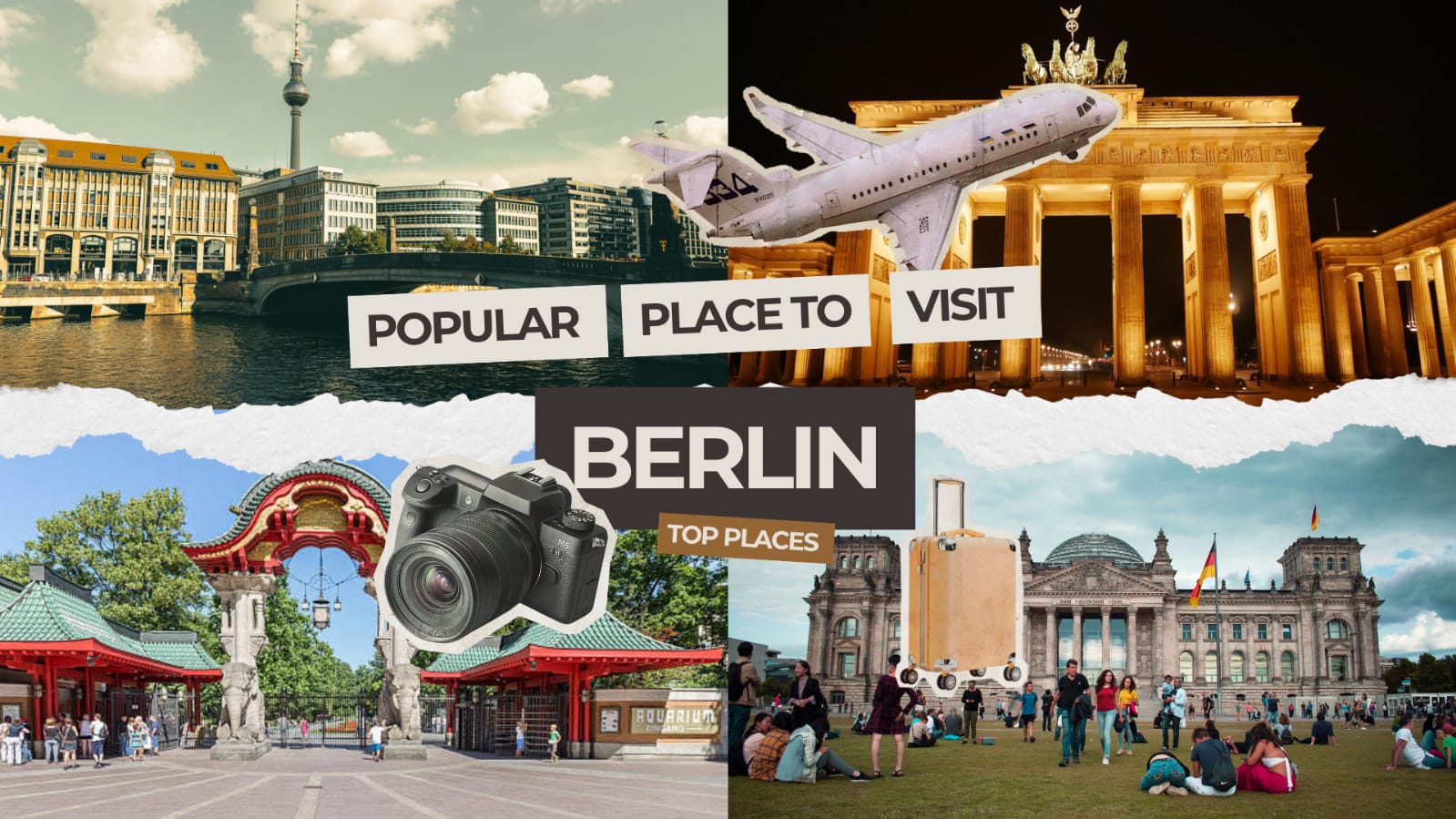
Popular places to visit in Berlin represent a fascinating mosaic of a city that has been at the epicenter of world-changing events for centuries. From the shadows of the Prussian Empire to the stark realities of the Cold War and the vibrant energy of the modern era, every corner of this capital tells a story. Furthermore, understanding the cultural depth of these landmarks is essential for any traveler seeking more than just a surface-level experience. Consequently, this guide is designed to provide exhaustive details on the most iconic sites, ensuring you understand the history, the architectural significance, and the local secrets that make these spots so special. Whether you are a history buff, an art lover, or a family traveler, the popular places to visit in Berlin offer an unparalleled journey through time and human resilience.
The Historical Evolution of “Alex”
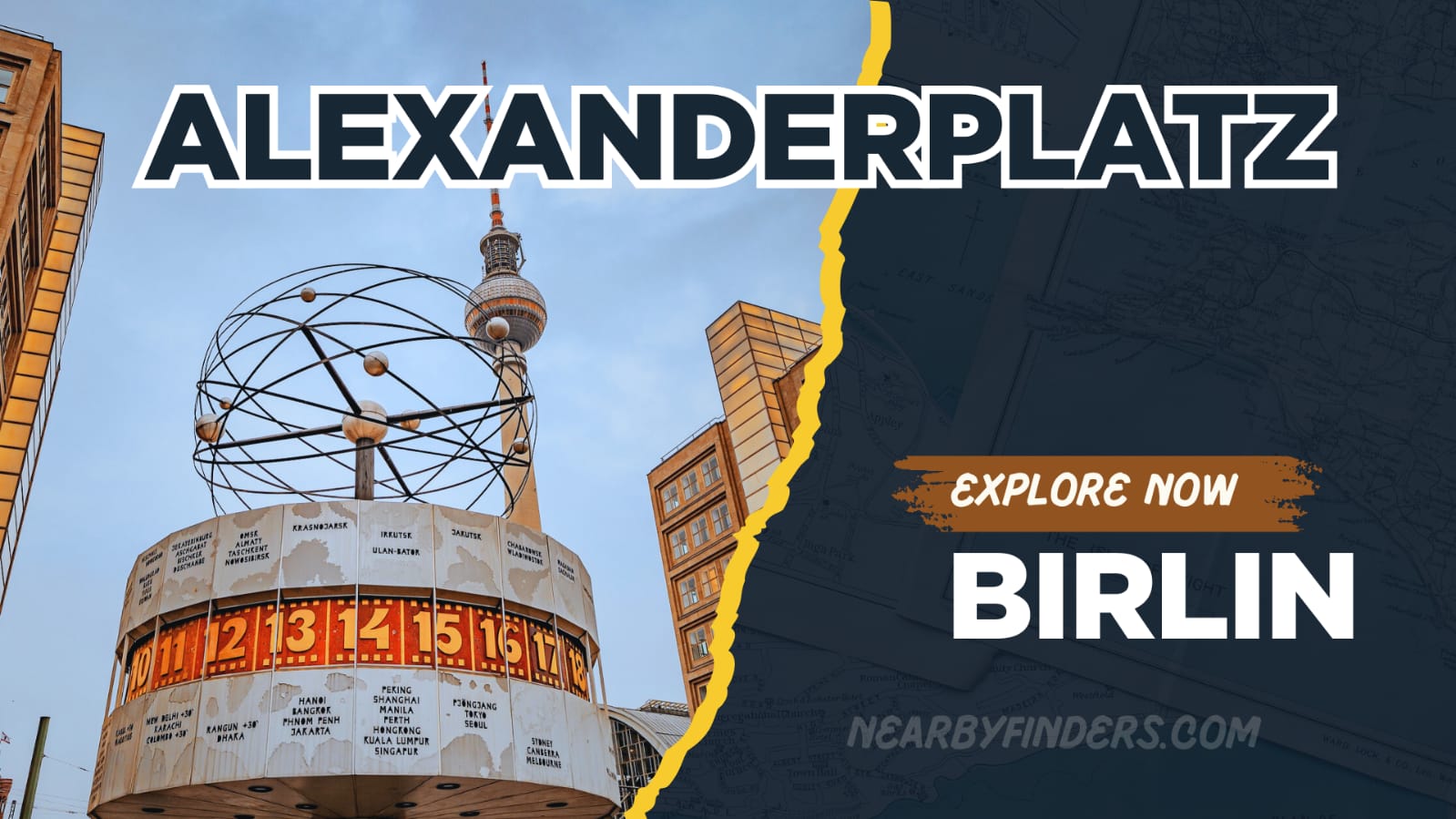
Alexanderplatz has long been one of the most popular places to visit in Berlin, originally serving as a cattle market outside the city walls. However, during the 19th century, it transformed into a major transport hub and commercial center. Furthermore, the district suffered heavy damage during World War II bombings. Consequently, the East German (GDR) government decided to rebuild the square as a symbol of socialist progress and urban power. Moreover, the stark, vast layout was designed to host massive military parades and political gatherings. Today, it remains a central meeting point where historical layers of the 19th-century boom meet the concrete aesthetics of the Communist era.The Iconic TV Tower (Fernsehturm)
Standing at 368 meters, the Fernsehturm is the tallest structure in Germany and a primary reason why Alexanderplatz is among the popular places to visit in Berlin. Built in the late 1960s, its primary purpose was to broadcast the superiority of the socialist state. Furthermore, the rotating observation deck offers a 360-degree view that extends far beyond the city limits on a clear day. Consequently, it has become a global landmark for Berlin sightseeing. Therefore, booking tickets in advance is highly recommended to avoid long queues. Moreover, the sphere of the tower reflects the “Pope’s Revenge”—a phenomenon where the sun creates a cross-like reflection, much to the irony of the atheist GDR government.The World Time Clock and Social Hub
In addition to the tower, the World Time Clock (Weltzeituhr) is a masterpiece of East German engineering that attracts thousands daily. It displays the current time in 148 major cities across the globe. Furthermore, it became a legendary meeting spot for young Berliners before the age of mobile phones. Consequently, the area around the clock is always buzzing with street performers and local artisans. Moreover, the square is surrounded by massive retail hubs like Alexa and Galeria, making it a paradise for shoppers. Therefore, combining historical exploration with a shopping spree is easy when visiting this part of Berlin.Political Legacy and Demonstrations
Alexanderplatz is not just about tourism; it is a site of immense political weight. On November 4, 1989, it hosted the largest demonstration in East German history, where over half a million people gathered to demand democratic reforms. Furthermore, this event was a major catalyst for the fall of the Berlin Wall just days later. Consequently, walking across the square today feels like stepping onto the stage of history. Additionally, the nearby Red City Hall (Rotes Rathaus) serves as the seat of the governing mayor, adding to the district’s importance. As a result, Alexanderplatz remains a vital cultural and political heartbeat of the German capital.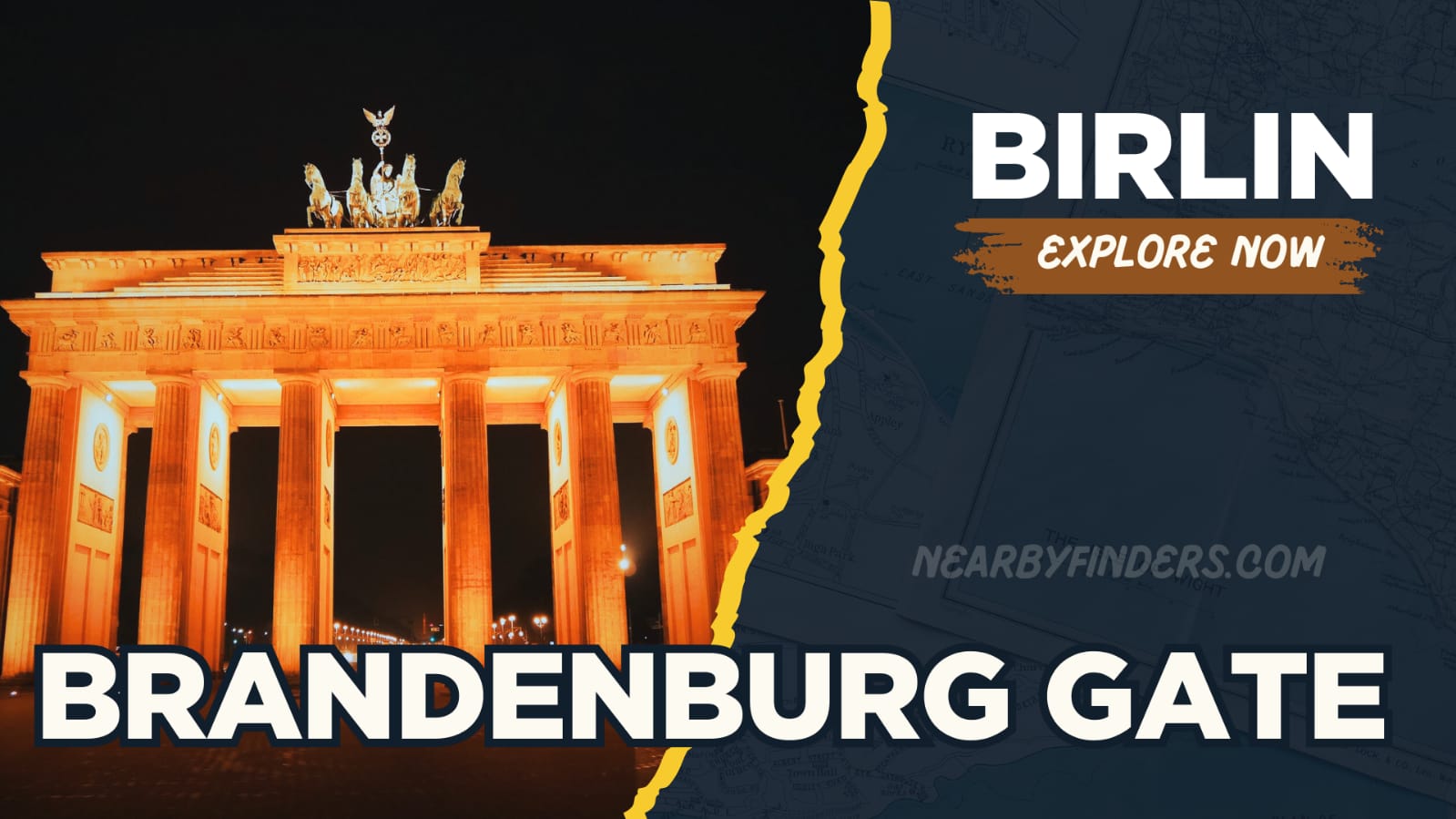
Prussian Origins and Neoclassical Design
The Brandenburg Gate is the crown jewel of popular places to visit in Berlin. Commissioned by King Frederick William II in the late 1700s, it was designed as a gateway to the boulevard Unter den Linden. Furthermore, the architect Carl Gotthard Langhans drew inspiration from the Propylaea in Athens, making it a prime example of German neoclassicism. Consequently, the gate was intended to be a symbol of royal peace. Moreover, the Quadriga—the chariot drawn by four horses atop the gate—carries Victoria, the Goddess of Victory. Therefore, its aesthetic grandeur is unmatched in Europe, rivaling the monuments of Paris or Rome.The Dark Years and the Cold War Division
However, the gate’s history took a dark turn during the 20th century. Napoleon famously stole the Quadriga and took it to Paris, only for it to be returned later. Furthermore, during the rise of the Third Reich, the gate was used for massive torchlight processions. Consequently, it became associated with some of history’s darkest moments. Moreover, when the Berlin Wall was built in 1961, the gate was stranded in the “Death Strip,” inaccessible to both East and West Berliners. Therefore, it stood as a lonely and powerful reminder of the fractured world during the Cold War.The Gateway to Reunification
The gate’s most famous moment came in 1989 when it finally opened, symbolizing the end of division. Furthermore, leaders like Ronald Reagan and Bill Clinton have delivered world-changing speeches here. Consequently, the Brandenburg Gate is now the ultimate symbol of unity and freedom in popular places to visit in Berlin. Moreover, the square in front of it, Pariser Platz, has been restored to its former glory, housing the US and French embassies. Therefore, visiting the gate at night, when it is brilliantly illuminated, is an essential experience for every traveler.Surrounding Landmarks and Modern Events
In addition to the gate itself, the area is a gateway to other significant sites. The Memorial to the Murdered Jews of Europe is just a stone’s throw away, providing a somber space for reflection. Furthermore, the Tiergarten park begins right behind the gate, offering a massive green escape. Consequently, the gate serves as the starting point for most Berlin walking tours. Moreover, it is the focal point for major city events, including New Year’s Eve parties and World Cup screenings. As a result, the Brandenburg Gate remains the most emotional and enduring icon of the German capital’s history.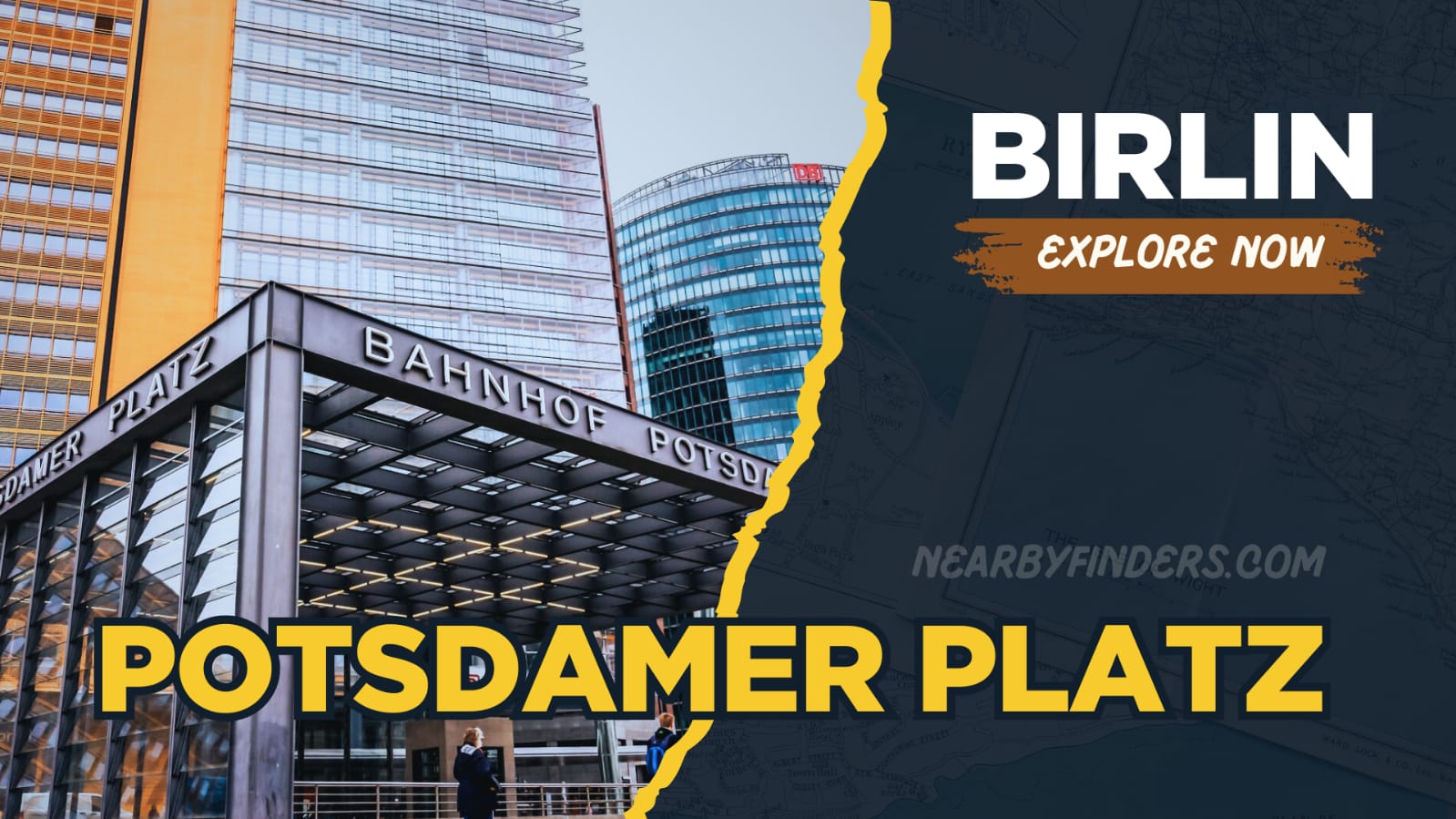
From Europe’s Busiest Intersection to Wasteland
Potsdamer Platz is one of the most remarkable popular places to visit in Berlin because of its dramatic 20th-century transformation. In the 1920s, it was the busiest traffic intersection in Europe, famous for having the continent’s first traffic light. Furthermore, it was the cultural heart of the city, filled with grand hotels and cafes. However, the bombings of World War II reduced it to rubble, and the subsequent construction of the Berlin Wall turned it into a desolate “no-man’s-land.” Consequently, for decades, this once-thriving center was a barren field divided by concrete. Moreover, it serves as a poignant reminder of how quickly political borders can change the life of a city.The Reconstruction and Sony Center Architecture
After the reunification of Germany, Potsdamer Platz became the largest construction site in Europe. Renowned architects like Renzo Piano and Helmut Jahn were brought in to design a futuristic skyline. Furthermore, the Sony Center, with its spectacular tent-like glass roof, became the new iconic landmark of the square. Consequently, visitors flock here to witness the cutting-edge architecture that symbolizes the “New Berlin.” Moreover, the roof is designed to resemble Mount Fuji, paying homage to the Japanese investors. Therefore, exploring the interior plaza of the Sony Center is a top recommendation for any modern architecture enthusiast.Entertainment, Cinemas, and the Berlinale
Beyond its buildings, Potsdamer Platz is a major entertainment hub, making it a cornerstone of popular places to visit in Berlin. It is the primary venue for the Berlin International Film Festival, known as the Berlinale. Furthermore, the district houses numerous multiplex cinemas, high-end shopping malls like the Mall of Berlin, and a variety of international restaurants. Consequently, it attracts a diverse crowd ranging from business professionals to tourists. Moreover, the presence of the Panoramapunkt—a high-speed elevator leading to an open-air observation deck—provides stunning views of the city. Therefore, it is a perfect spot for families and solo travelers seeking a mix of leisure and history.The Legacy of the Wall at Potsdamer Platz
Despite its modern skyscrapers, the square has not forgotten its past. Several original sections of the Berlin Wall stand at the entrance to the station as an open-air exhibition. Furthermore, a brass strip in the ground marks the exact path where the wall once stood. Consequently, you can stand with one foot in the former East and the other in the former West. Moreover, historical info-boards provide deep insights into the escape attempts that occurred in this specific sector. As a result, Potsdamer Platz remains one of the most layered and popular places to visit in Berlin, blending high-tech luxury with historical gravity.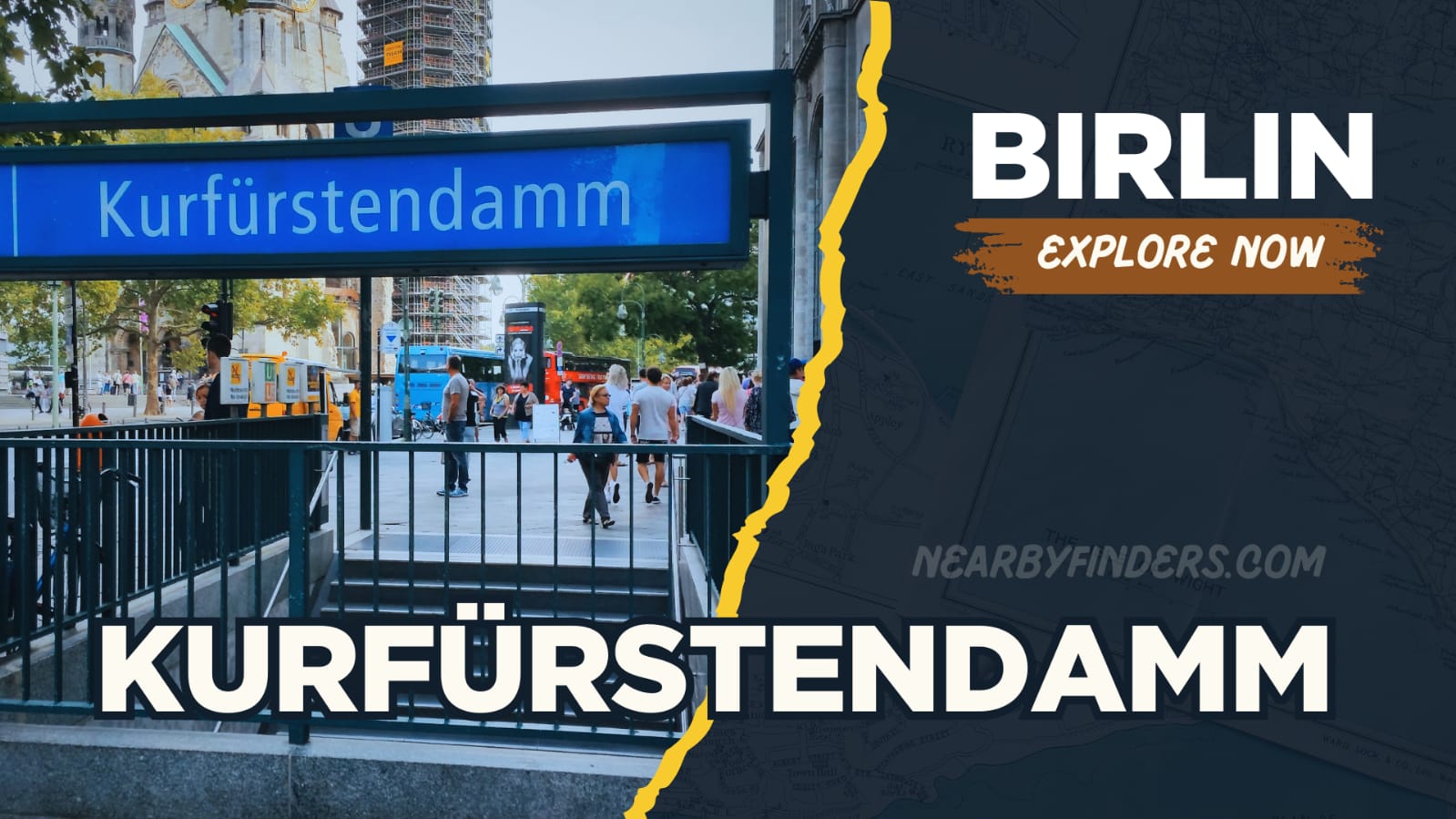
Berlin’s Premier Fashion Avenue
Kurfürstendamm, often affectionately called Ku’damm, is the undisputed king of popular places to visit in Berlin for fashion and lifestyle. Originally a riding path for electors (Kurfürsten) to reach the Grunewald hunting lodge, it was transformed into a grand boulevard in the late 19th century by Otto von Bismarck. Furthermore, it was modeled after the Champs-Élysées in Paris, featuring wide sidewalks and elegant mansions. Consequently, it became the social heart of West Berlin’s roaring twenties. Moreover, today it hosts the world’s most prestigious luxury brands, from Chanel to Louis Vuitton. Therefore, a walk down this 3.5-kilometer stretch is an essential experience for those who appreciate high-end urban design.The Symbol of Survival: Memorial Church
The most striking landmark on Ku’damm is the Kaiser Wilhelm Memorial Church. During the air raids of 1943, the church was severely damaged, leaving only the broken spire standing. Furthermore, after the war, the people of Berlin decided to leave the ruin as it was, rather than rebuilding it completely. Consequently, the “Hollow Tooth” (Hohler Zahn) stands as a powerful anti-war monument amidst the modern shopping district. Moreover, the adjacent new chapel features thousands of blue stained-glass windows that create a breathtaking atmosphere inside. Therefore, it provides a spiritual and historical pause in the middle of a bustling commercial zone.The Evolution of West Berlin Culture
During the Cold War, Ku’damm was the glowing “window to the West” for the isolated city. Furthermore, it was a site of major political protests and cultural revolutions in the 1960s. Consequently, it has a rebellious and intellectual history that often surprises first-time visitors. Moreover, the avenue is famous for its “Theater am Kurfürstendamm” and numerous art galleries tucked away in ornate side streets. Therefore, the district offers much more than just consumerism; it is a center for performing arts and intellectual discourse. Additionally, many historic cafes still serve traditional German pastries, allowing you to taste the heritage of the city.Exploring KaDeWe and Beyond
No trip to Ku’damm is complete without visiting the nearby KaDeWe (Kaufhaus des Westens), the largest department store in continental Europe. Furthermore, its gourmet sixth floor is a world-renowned destination for foodies, offering thousands of international delicacies. Consequently, it has become a major reason why this area is ranked among the most popular places to visit in Berlin. Moreover, the side streets of the district, such as Fasanenstraße, are lined with high-end villas and boutique hotels. As a result, Ku’damm continues to represent the glamour and economic resilience of the German capital, attracting millions of visitors every year.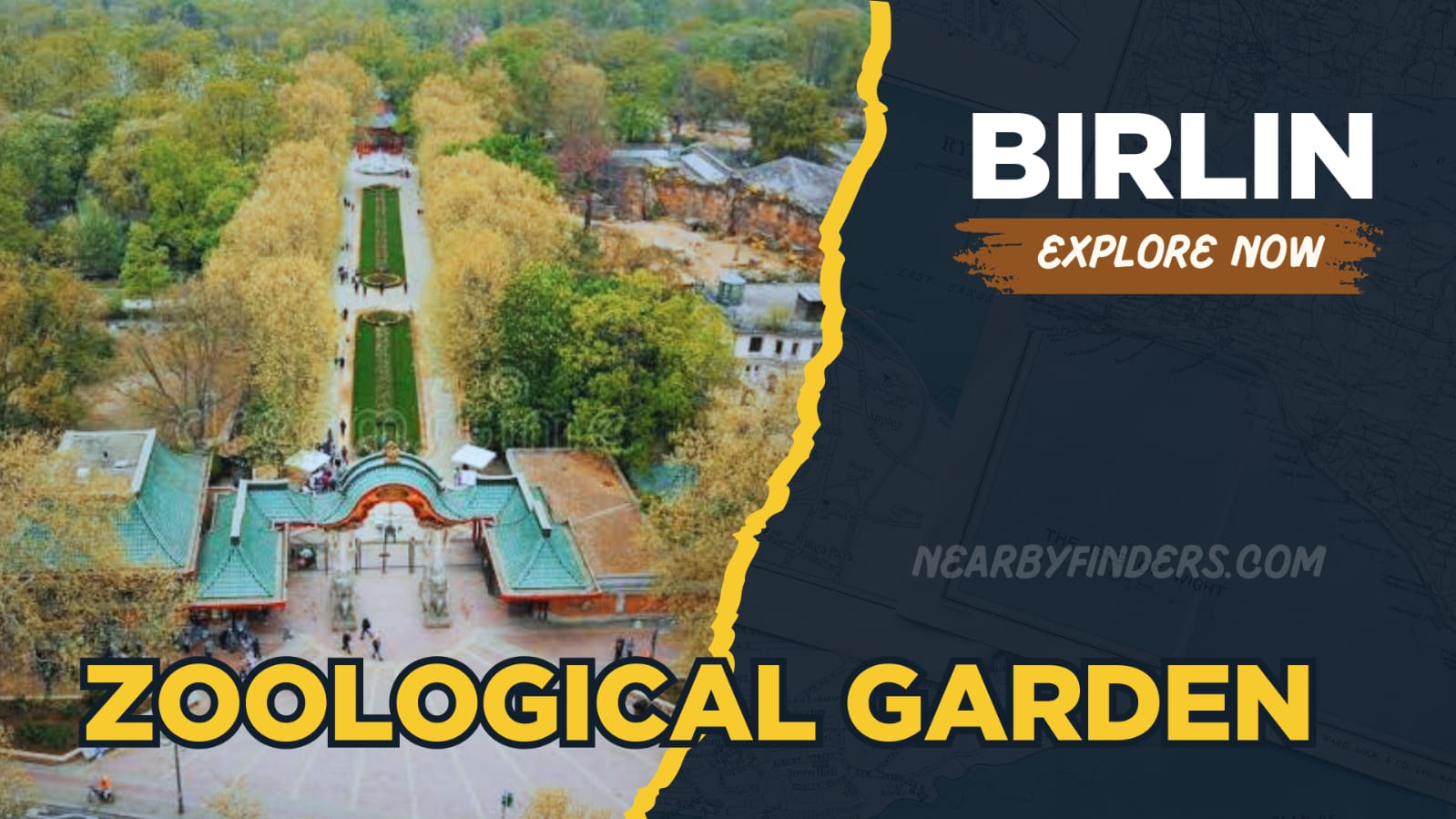
A Royal Heritage of Conservation
Zoo Berlin is the oldest zoo in Germany and one of the most popular places to visit in Berlin for families. Opened in 1844, it was originally based on the private animal collection of King Frederick William IV. Furthermore, the zoo has played a pioneering role in animal science and species conservation for nearly two centuries. Consequently, it is home to over 20,000 animals representing nearly 1,200 different species. Moreover, the architectural design of the enclosures, such as the Elephant Pagoda and the Lion Gate, are historical landmarks in their own right. Therefore, a visit to the zoo is a journey through both biological diversity and 19th-century royal aesthetics.Global Stars: Pandas and Polar Bears
One of the main reasons for the zoo’s fame is its successful breeding programs and its status as the only place in Germany where you can see giant pandas. Furthermore, the modern “Panda Garden” is a state-of-the-art facility that replicates the natural habitat of these gentle giants. Consequently, the zoo attracts millions of wildlife enthusiasts who want to witness these rare animals up close. Moreover, the legacy of Knut, the world-famous polar bear, still resonates within the park’s history. Therefore, the zoo is not just a place for entertainment but a critical hub for global biodiversity research.The Berlin Aquarium: An Underwater World
Adjacent to the zoo is the Berlin Aquarium, which is equally renowned as one of the most popular places to visit in Berlin. It spans three floors, covering fish, reptiles, and insects. Furthermore, the historic building features a stunning double-staircase and massive tanks that house sharks, stingrays, and exotic jellyfish. Consequently, it provides a perfect indoor activity during Berlin’s rainy days. Moreover, the terrarium floor is home to a massive collection of crocodiles and monitor lizards. Therefore, purchasing a combined ticket for both the zoo and the aquarium is the best way to fully experience this scientific institution.A Green Sanctuary in the City Center
Despite being located in the middle of a bustling metropolis, the zoo feels like a serene forest. It is situated on the edge of the Tiergarten, Berlin’s largest park. Furthermore, the park-like atmosphere with its ancient trees and scenic canals makes it a favorite spot for locals to unwind. Consequently, it offers a peaceful contrast to the high-energy streets of nearby Ku’damm. Moreover, the zoo has multiple educational zones for children, making it a top-tier destination for school trips. As a result, Zoo Berlin continues to be a beloved institution that blends entertainment with a deep commitment to the natural world.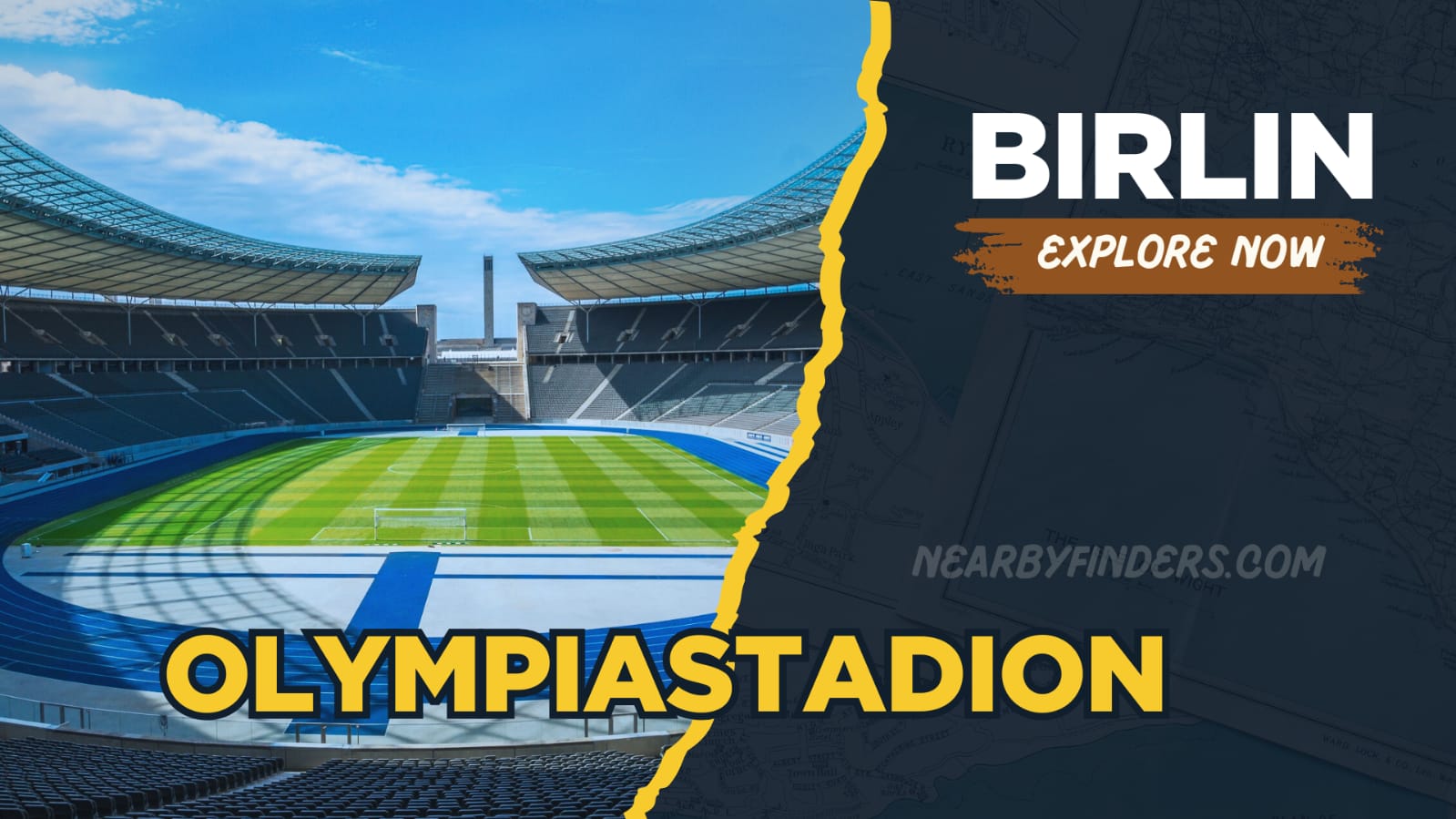
Constructing a Nazi Showcase
The Olympiastadion is one of the most complex and popular places to visit in Berlin due to its association with the 1936 Summer Olympics. Built under the Nazi regime, its monumental limestone architecture was designed to project an image of power and superiority to the world. Furthermore, it was the site where Jesse Owens famously won four gold medals, defying the racist ideologies of the time. Consequently, the stadium carries a heavy historical burden that is handled with great care and transparency today. Moreover, it remains one of the few examples of “National Socialist” architecture that is still in active use.Modern Renovation and the 2006 World Cup
Before the 2006 FIFA World Cup, the stadium underwent a massive renovation to meet modern standards while preserving its protected historical status. Furthermore, a high-tech translucent roof was added, which appears to float above the stone structure. Consequently, the stadium now serves as the home ground for Hertha BSC and hosts the annual DFB-Pokal final. Moreover, its blue athletic track has become a signature feature, reflecting the colors of the local team. Therefore, for sports enthusiasts, a visit here is a chance to see one of the most beautiful and technically advanced stadiums in the world.A Global Concert and Event Venue
Beyond football, the Olympiastadion has hosted some of the biggest names in music, from U2 to Beyoncé. Furthermore, its unique acoustics and massive capacity make it the premier outdoor concert venue in the city. Consequently, it draws hundreds of thousands of fans for major international events every summer. Moreover, the adjacent Maifeld and the Waldbühne amphitheater provide additional spaces for cultural and social gatherings. Therefore, the stadium has successfully transitioned from a political monument into a vibrant theater of modern culture and entertainment.Guided Tours and Historical Insight
To truly understand the stadium, travelers are encouraged to take a guided historical tour. These tours provide access to areas usually closed to the public, such as the VIP lounges and player tunnels. Furthermore, they explain the architectural details and the strategic placement of monuments within the Olympic Park. Consequently, you gain a deep understanding of how the city of Berlin balances its difficult history with its democratic present. Moreover, the bell tower (Glockenturm) nearby offers a fantastic view of the entire stadium and the sprawling city beyond. As a result, the Olympiastadion is a must-visit for anyone interested in the intersection of politics, history, and modern sport.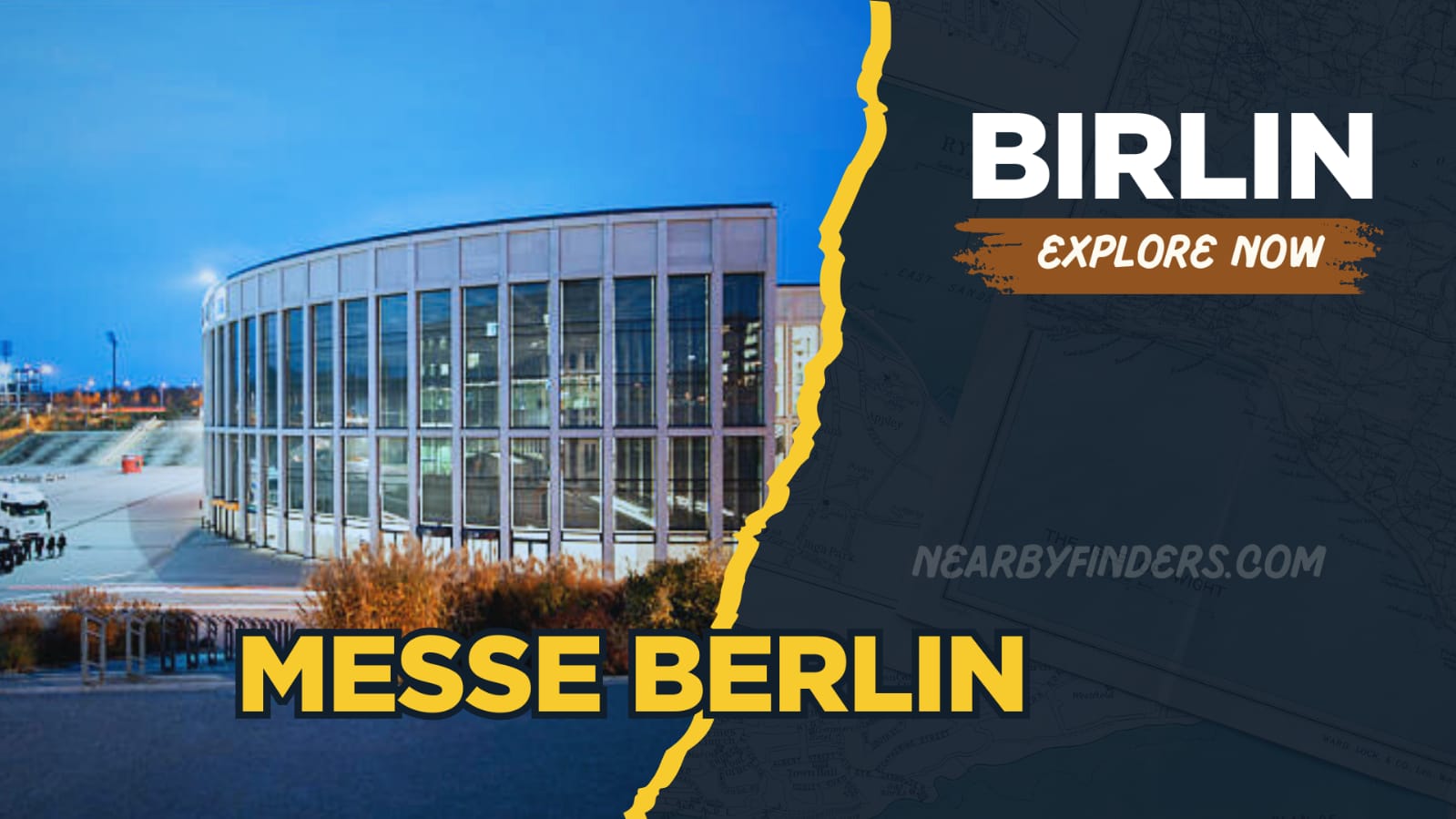
A Legacy of Global Conventions
Messe Berlin is a powerhouse of the German economy and one of the popular places to visit in Berlin for professional travelers. Since its founding in 1822, it has evolved into one of the top ten trade fair companies in the world. Furthermore, it operates 26 exhibition halls covering over 160,000 square meters. Consequently, it hosts some of the most influential global trade shows, including IFA (Consumer Electronics) and ITB (World’s Leading Travel Trade Show). Moreover, the district is designed as a city within a city, with its own railway stations and service centers. Therefore, it is a critical hub for innovation and international networking.The Historic Radio Tower (Funkturm)
Rising high above the fairgrounds is the Funkturm, often called the “Langer Lulatsch” by Berliners. Built in 1924, it was the first radio tower in the world and remains an iconic part of the skyline. Furthermore, the tower features a restaurant and an observation deck that provides a clear view of the city’s western districts. Consequently, it is a popular spot for visitors who want to see the city from a different perspective than the central TV Tower. Moreover, the tower’s lattice steel construction is a masterpiece of early 20th-century engineering. Therefore, dining in the historic tower restaurant is a unique way to experience Berlin’s industrial heritage.Sustainable Future and Modernization
In recent years, Messe Berlin has focused heavily on sustainability and digital transformation. Furthermore, the construction of the “CityCube Berlin” has provided a state-of-the-art multi-purpose arena for huge international congresses. Consequently, the venue can adapt to anything from medical conventions to high-tech summits. Moreover, the grounds are increasingly used for public events and large-scale cultural festivals. Therefore, the district is constantly evolving to meet the needs of a globalized world. Additionally, the excellent transport links make it easily accessible from anywhere in the city, ensuring its continued importance.The Cultural Impact of Trade Fairs
The fairs at Messe Berlin don’t just bring business; they bring culture and tourism from every corner of the planet. Furthermore, during events like the “Green Week” (Grüne Woche), the grounds are filled with international food, music, and traditions. Consequently, it provides locals and tourists alike with a unique opportunity to experience global diversity in one place. Moreover, the economic impact of these fairs supports thousands of jobs and businesses in the city. As a result, Messe Berlin is more than just a collection of halls; it is a vital engine that keeps Berlin connected to the international community.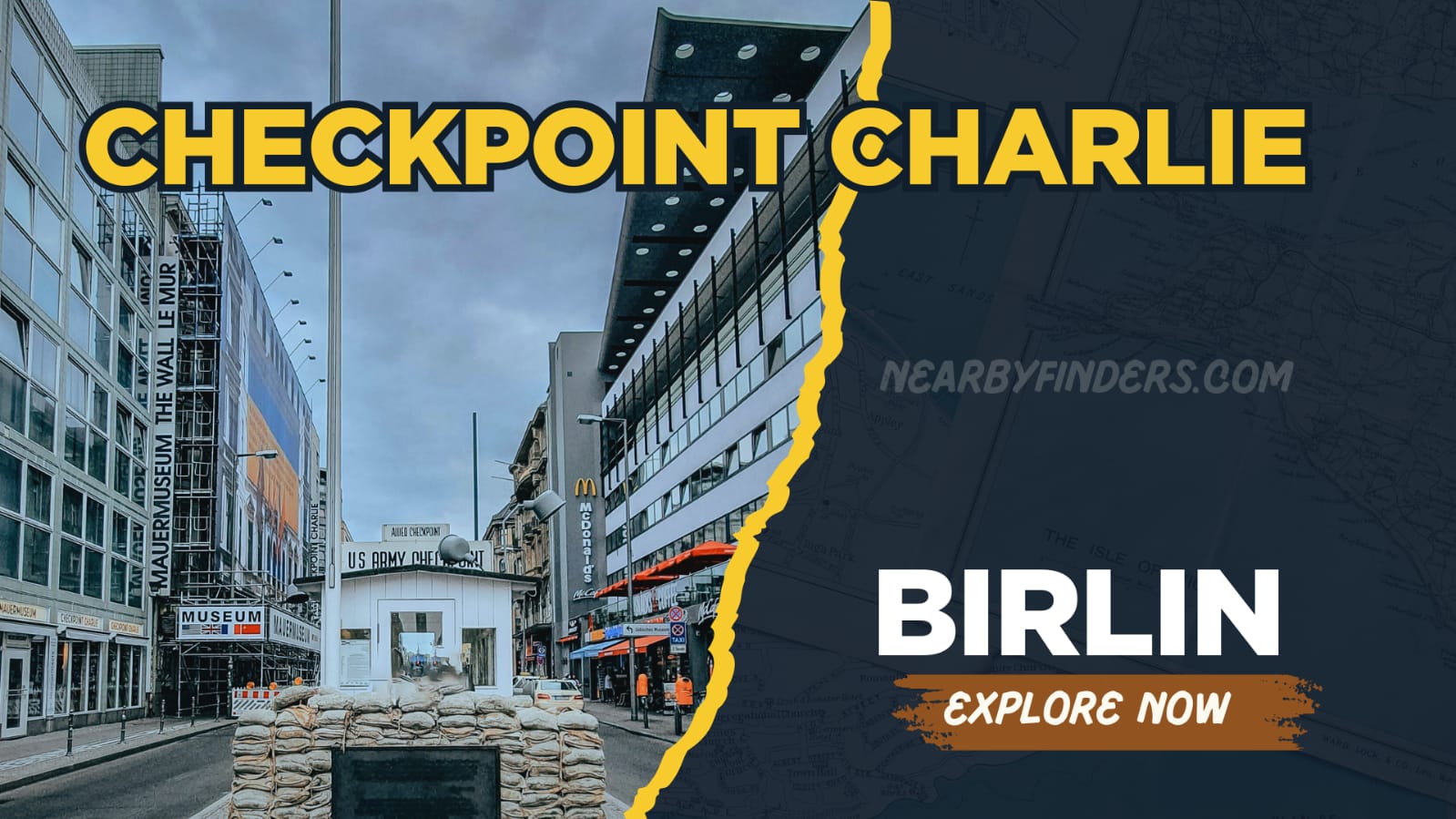
The Most Famous Border Crossing
Checkpoint Charlie is the most legendary among popular places to visit in Berlin for those interested in the Cold War. It was the only border crossing through which foreigners and members of the Allied forces could enter East Berlin. Furthermore, the name “Charlie” comes from the NATO phonetic alphabet (Alpha, Bravo, Charlie). Consequently, it became the focal point of global tension, symbolizing the literal division between democracy and communism. Moreover, the famous sign stating “You are leaving the American Sector” is one of the most photographed objects in the city. Therefore, standing at this corner provides a chilling perspective on how close the world came to a nuclear conflict.Tanks at the Border: The 1961 Standoff
The most dramatic moment at Checkpoint Charlie occurred in October 1961, when American and Soviet tanks faced each other at point-blank range for 16 hours. Furthermore, the world held its breath as any wrong move could have started World War III. Consequently, this standoff cemented the checkpoint’s place in history as the “frontline of freedom.” Moreover, the event highlight the strategic importance of Berlin in global geopolitics. Therefore, visiting this site is not just about tourism; it is about acknowledging the immense stakes of the 20th century’s ideological battle.The Wall Museum and Escaping the East
Right next to the checkpoint is the “Mauermuseum” (Wall Museum), which houses an incredible collection of escape gadgets used by East Germans. Furthermore, you can see everything from hot air balloons and mini-submarines to modified cars used to smuggle people across the border. Consequently, the museum provides a deeply human look at the desperation and ingenuity of those seeking liberty. Moreover, the educational displays outside offer a chronological history of the Berlin Wall’s construction and fall. Therefore, spending a few hours here is essential for anyone who wants to go beyond the surface of popular places to visit in Berlin.Modern Tourism and Historical Commercialization
Today, Checkpoint Charlie is a bustling tourist hub filled with museums, souvenir shops, and cafes. Furthermore, while some critics argue it has become overly commercialized, it still serves a vital role in educating the public. Consequently, the constant flow of visitors ensures that the stories of the Cold War are never forgotten. Moreover, the area is surrounded by high-end office buildings and international media houses, showing how the city has moved forward. Therefore, by navigating through the crowds, you can still find the quiet plaques and memorials that tell the true stories of the heroes who crossed this line. As a result, Checkpoint Charlie remains a necessary and evocative stop on any Berlin itinerary.Mastering Your Visit to Popular Places in Berlin
Ultimately, visiting popular places to visit in Berlin requires a balance of historical respect and modern curiosity. Furthermore, using public transport like the S-Bahn and U-Bahn is the most efficient way to hop between these massive landmarks. Consequently, we recommend purchasing a Berlin WelcomeCard to save on entry fees and transport costs. Therefore, whether you are exploring the heights of the TV Tower or the solemnity of Checkpoint Charlie, these sites will provide a deep and lasting connection to the city’s unique identity.